In 2002, Cameron Saul received a letter from Kofi Annan congratulating him on an innovative business model supporting artisans in East Africa while raising funds for HIV/AIDS prevention. It arrived just after the launch of Bottletop, born from a collaboration with Mulberry. “That moment certainly stopped me in my tracks,” Saul recalls. “I realised that we were exploring issues and ways of working that could challenge the negative realities of the wider fashion industry.”
Long before sustainability became industry shorthand, Saul was living in a remote village in southeast Uganda, teaching young people about HIV prevention through creative education. That experience didn’t just inform the brand, it became its backbone.
“Our focus was on building life skills and empowering young people to make healthy choices,” he says. “Creativity was the mechanism.”
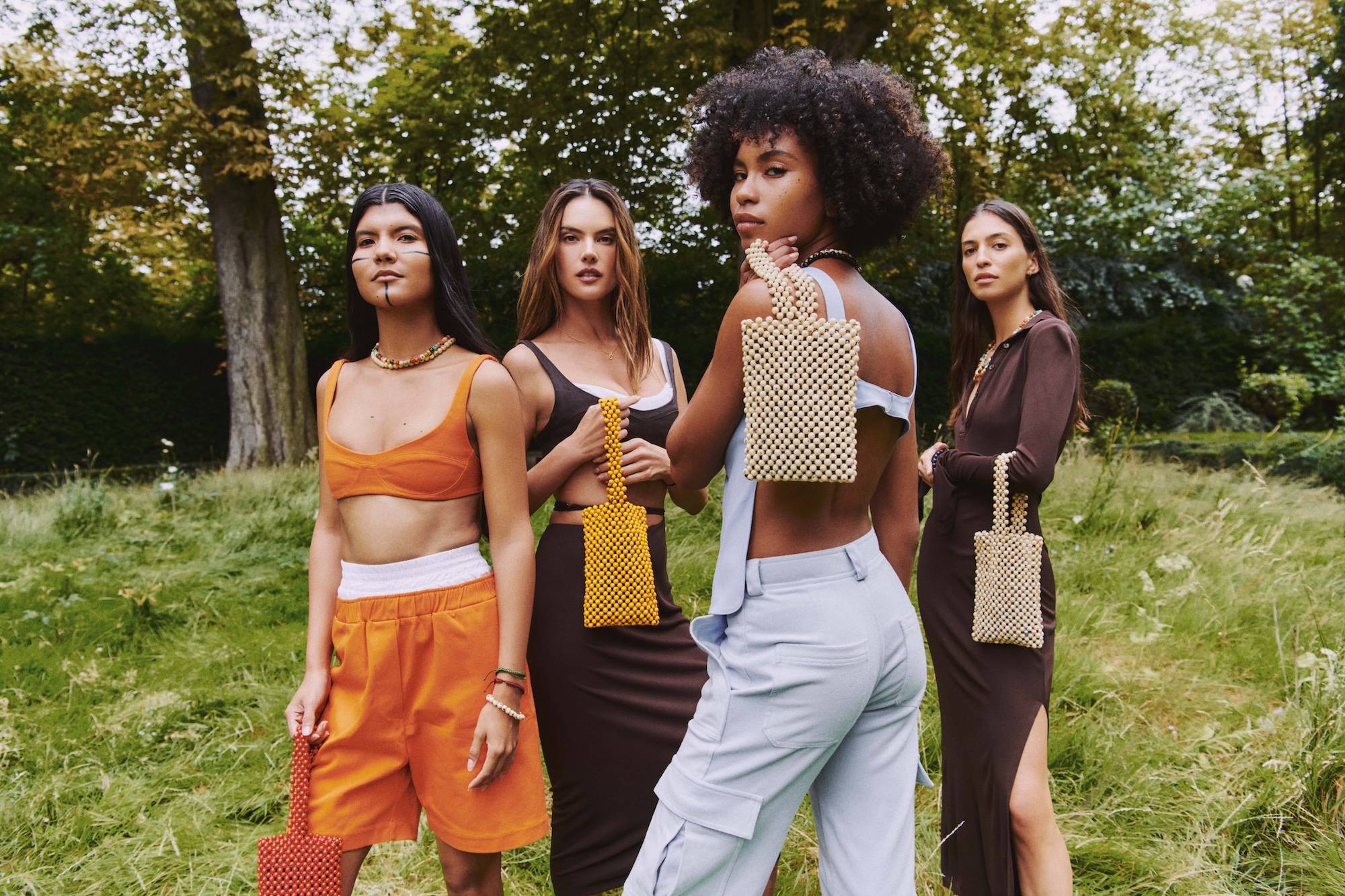
From the beginning, Bottletop has been less about seasonal drops and more about systems. The sustainable brand is known for creating handbags, jewellery, and accessories from upcycled materials, building its identity on what others discarded: recycled aluminium pull-tabs, confiscated illegal firearms, even waste from satellites. It’s a design language that feels both rebellious and refined.
Today, the brand runs atelier programmes in Kathmandu, Salvador and the Amazon rainforest, including a partnership with the Yawanawá community. Each piece is shaped not just by material innovation, but by heritage craft.
“It’s not about transaction,” Saul explains. “We’re here to create something with real meaning. Something that connects people back to the land, nature and cultures that are in danger of being lost.”
That same thinking led to Togetherband, an evolution rather than a side project. Launched in 2019 with the UN Foundation, the campaign grew out of a moment back in 2015, when Saul and the Bottletop team were introduced to the UN’s Global Goals by Deputy Secretary-General Amina J. Mohammed.
They quickly realised something striking: through Bottletop’s existing work, they were already addressing 12 of the 17 Sustainable Development Goals. Togetherband became a way to formalise that impact and scale it outward.
“The campaign is an extension of everything we’ve done over the years,” Saul says. “It sets out to put the power in the hands of the people.”
Using their “toolkit” of sustainable design and creative culture, the team translated complex global targets into something tangible. The bands themselves, made from recycled and traceable materials, act as entry points. But the real aim is deeper: to humanise the Goals and bring people into the conversation.
Each person chooses the goal that resonates most, turning a global framework into a personal commitment. It’s activism, but wearable. Accessible, but not diluted.
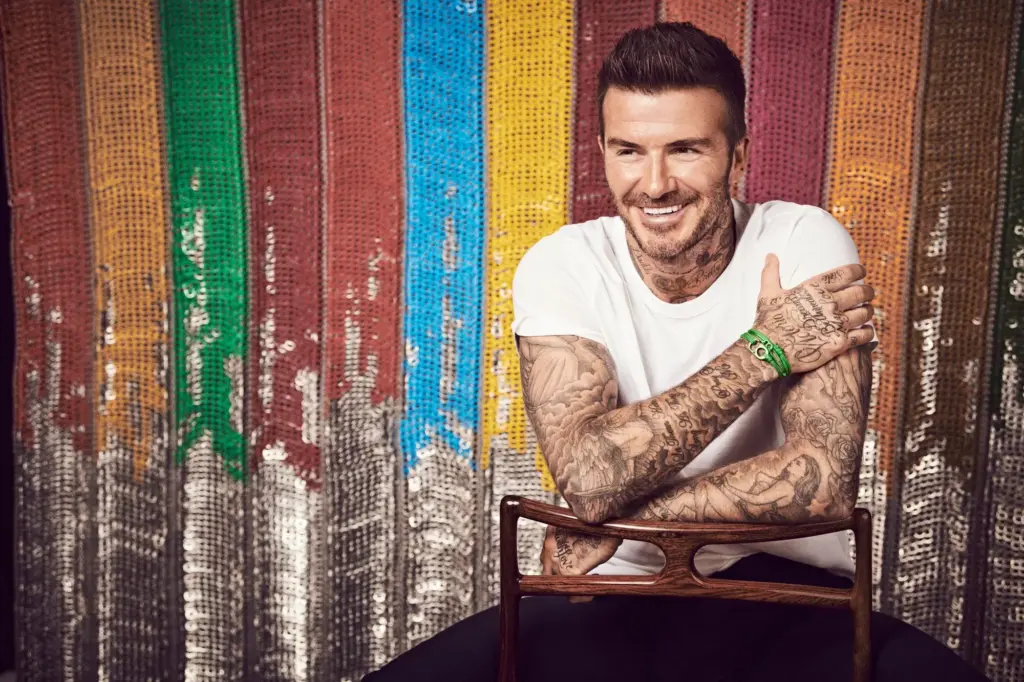
Part of what’s propelled Togetherband beyond a campaign and into a global movement is its roster of ambassadors. From activists to artists, the project has been backed by voices including David Beckham, Leonardo DiCaprio, Emma Watson and Adwoa Aboah. It never feels like surface-level endorsement. Instead, these figures act as amplifiers, helping translate the Global Goals into something culturally relevant and widely seen. In a space where celebrity can often dilute a message, here it sharpens it, bringing urgency, visibility and, crucially, reach.
Of course, the rest of the industry has been catching up, at least in language. Sustainability is no longer niche, but Saul is clear-eyed about the gap between messaging and meaning.
“Sadly, we’re seeing severe rollbacks,” he says. “Many major brands aren’t innovating as much as they should.”
It’s a familiar tension: fashion thrives on newness, but the planet doesn’t. When asked whether brands should actively encourage people to consume less, his answer is immediate.
“Absolutely. We have to move away from mindless consumption. It’s killing our planet.”
At SALT, we talk a lot about buying better, not more, and Saul’s perspective sharpens that idea. Value isn’t about price point, it’s about meaning.
“The items that I value the most are the ones that mean the most to me,” he says. “We are voting for the future we want our children to inherit with every purchase we make.”
There are signs of shift. Secondhand culture, repair movements, and a new generation of consumers who don’t see sustainability as compromise, but preference.
Saul is cautiously optimistic. “What gives me hope is that the economics are improving. Longevity is becoming a genuine competitive advantage.”
Because Bottletop and Togetherband aren’t waiting for the industry to catch up. They’re building something more connected, more human, and far more intentional.
Not perfect. But purposeful.
More info at Bottletop