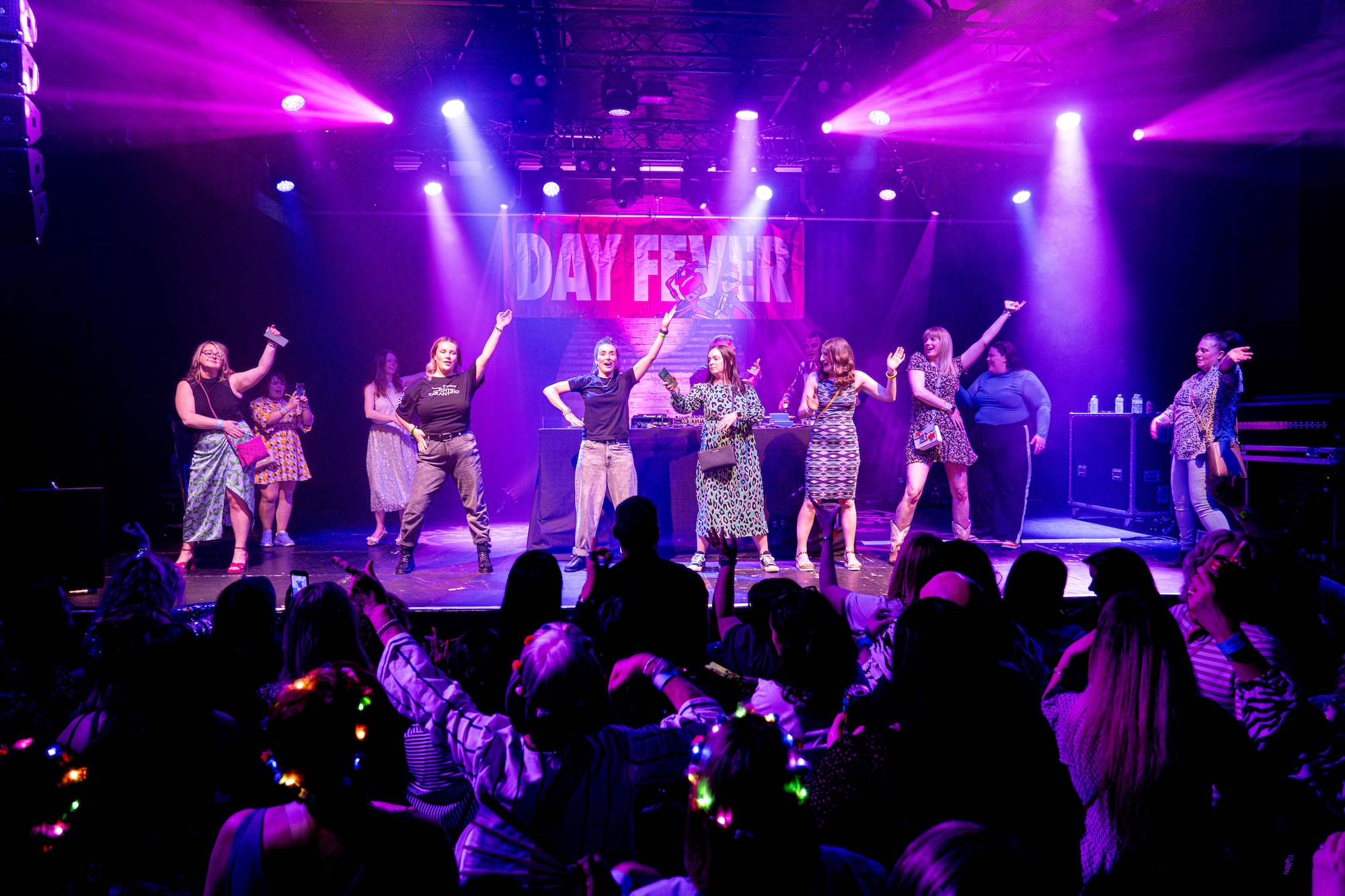
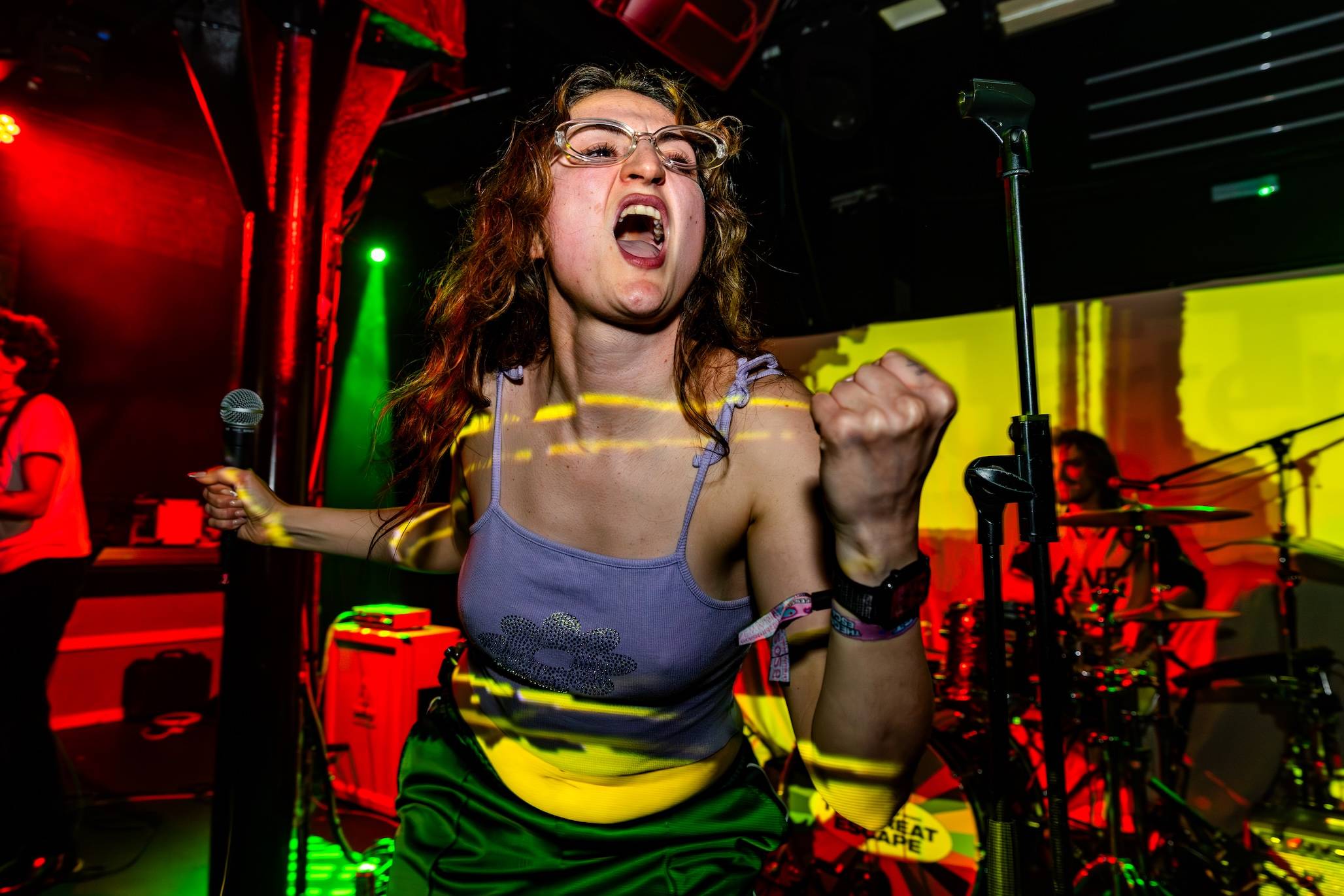
The Great Escape turned 20 this year, and Brighton marked the occasion in the only way it knows how: by filling every venue, beach tent, basement, pub room and slightly chaotic queue with new music, then throwing in weather that felt like a personal attack.
This year was wet. Not “bring a jacket” wet. More “why is the sea coming at us sideways?” wet. The wind bullied umbrellas into surrender, the pavements became obstacle courses, and the beach site regularly felt like a survival exercise with better lighting. But, somehow, that only made the good bits feel better. Between the showers, The Great Escape 2026 delivered what it always promises at its best: too many bands, too many clashes, too little phone battery, and the constant sense that the next brilliant thing was happening five minutes away.
For SALT, the weekend became a frantic, brilliant blur of interviews, beach-stage discoveries, venue-hopping and realising, repeatedly, that our schedule was a work of fiction. We caught some great conversations with artists across the festival too, so keep an eye on our Instagram, @saltmaguk, for clips, interviews and behind-the-scenes moments from the weekend.
This was The Great Escape’s 20th anniversary edition, with artists from more than 50 countries performing across more than 40 Brighton venues.
The beach stages were the obvious battleground. Two tent stages and an additional outdoor stage gave the seafront its own mini festival world, although this year that world came with waterproofs, windburn and the occasional facial expression of deep regret. Still, when the weather broke, the beach was glorious. There were moments when a tent would suddenly fill, the rain would pause, and a new act would cut through the gloom with enough force to make everyone forget they were standing in damp socks.
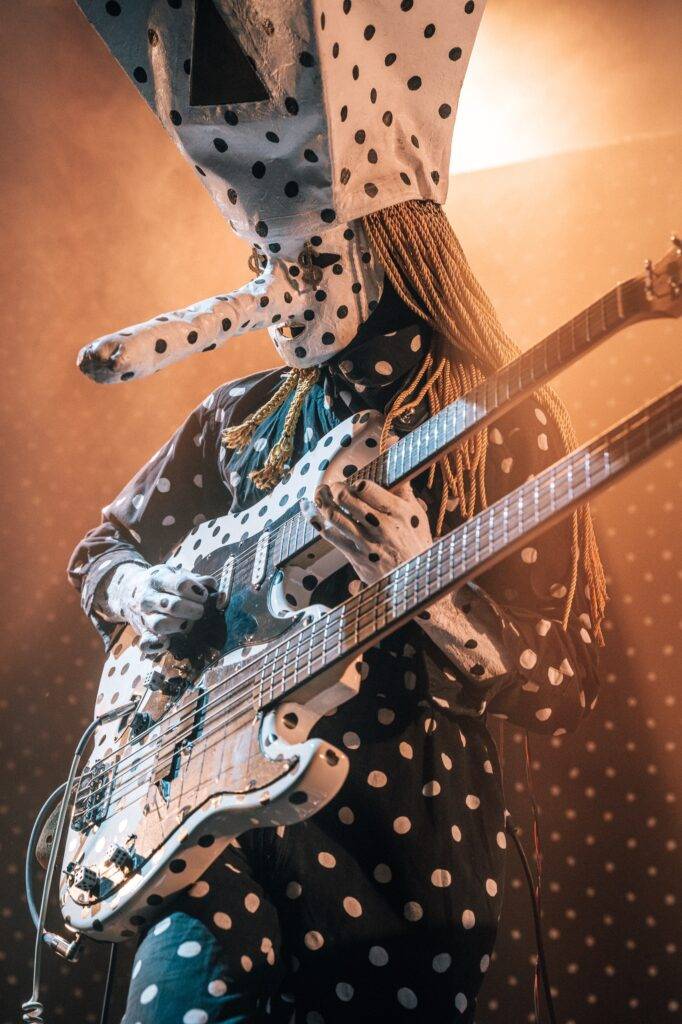
The opening party set the tone with Angine de Poitrine, the viral Québec duo in polka-dot stagewear, who turned the Beach Stage into something between a surreal art-school rave and a very stylish fever dream. Their sound is ridiculous in the best possible sense: wonky, theatrical, electro-punk, full of bounce and absurd visual confidence. They were joined by Montreal rock outfit Ribbon Skirt, who brought a rougher, guitar-heavy charge, and Cornish-Irish group Girl In The Year Above, whose name alone sounds like the beginning of a coming-of-age film. Together, it made for the sort of opening night that The Great Escape does well: slightly unhinged, internationally wired and not remotely interested in easing anyone in gently.
Away from the beach, Patterns quickly became one of the key early stops. Upstairs, Netherlands-based Bnnyhunna brought neo-soul warmth and poise, the kind of set that makes a packed room hush rather than shout. Smooth, spiritual and rhythmically relaxed, it was a useful reminder that not every Great Escape breakthrough needs to arrive at full volume. Downstairs, London dance-punk duo The Itch did the opposite. Their set was sharp, twitchy and full of wiry hooks, the sort of sound that feels designed for low ceilings, late nights and people spilling beer while trying to dance. The official round-up described them as igniting the downstairs venue with “frenetic energy”, which sounds about right.
At Komedia Studio, New Zealand artist Jude Kelly delivered one of the more polished early highlights as part of The Great Escape’s Lead Country Partnership. There was a confidence to it that stood out: precise songwriting, a clear sense of identity and the kind of vocal control that makes a small room feel bigger. The Great Escape can be full of glorious chaos, but Jude Kelly’s set had craft and command at its centre.
Thursday pushed the festival further into its usual state of beautiful overcommitment. Pigeon, from Margate, were one of the weekend’s more joyful discoveries, all rhythm, movement and loose-limbed energy. Their sound sits somewhere in the bright, grooving space between indie, funk, psych and festival-ready dance music, built for crowds who do not want to stand politely with their arms folded. Dead Dads Club, produced by Fontaines D.C.’s Carlos O’Connell, offered something hazier and more brooding, with indie textures that felt rough around the edges in a useful way. Then there was Madra Salach, whose experimental folk brought atmosphere rather than obvious hooks, the kind of set that asks you to lean in rather than shout over it.
Friday was where the clashes became almost offensive. Notion’s takeover at Quarters pulled in a strong run of artists, including PVA, Sassy 009 and The Orchestra (For Now). PVA brought that sleek, electronic post-punk tension they do so well: club pulse, live-band bite, cool detachment with something stranger underneath. Sassy 009 offered a more spectral, electronic mood, icy and atmospheric without drifting into background music. The Orchestra (For Now), meanwhile, have that “people are going to start talking about this very quickly” quality, ambitious and difficult to neatly file, which is exactly what you want from a new music festival.
Over at The Old Market, NME’s showcase stacked up Mandy, Indiana, Girl Scout, Chanpan and Any Young Mechanic. Mandy, Indiana remain a thrillingly abrasive prospect: industrial, electronic, confrontational, built around rhythm and pressure rather than easy release. Girl Scout brought bright indie-rock immediacy, the kind of melodic, sharp-edged guitar pop that can win over a room quickly. Chanpan added a New York art-pop sensibility, playful but not lightweight, while Any Young Mechanic sat nicely in that newer wave of guitar bands who sound like they have absorbed post-punk, indie sleaze and a decent amount of caffeine.
On Brighton Pier, DIY’s takeover of Horatio’s gave the weekend another kind of energy. Mên An Tol, Airfic and Ywere among the names on the bill, bringing the sort of alternative, slightly oddball, guitar-led programming that suits The Great Escape’s best small-room moments. Horatio’s is never a neutral venue. You are on a pier, above the sea, inside a room that always feels a bit like it should not be hosting the future of alternative music, which is precisely why it works.
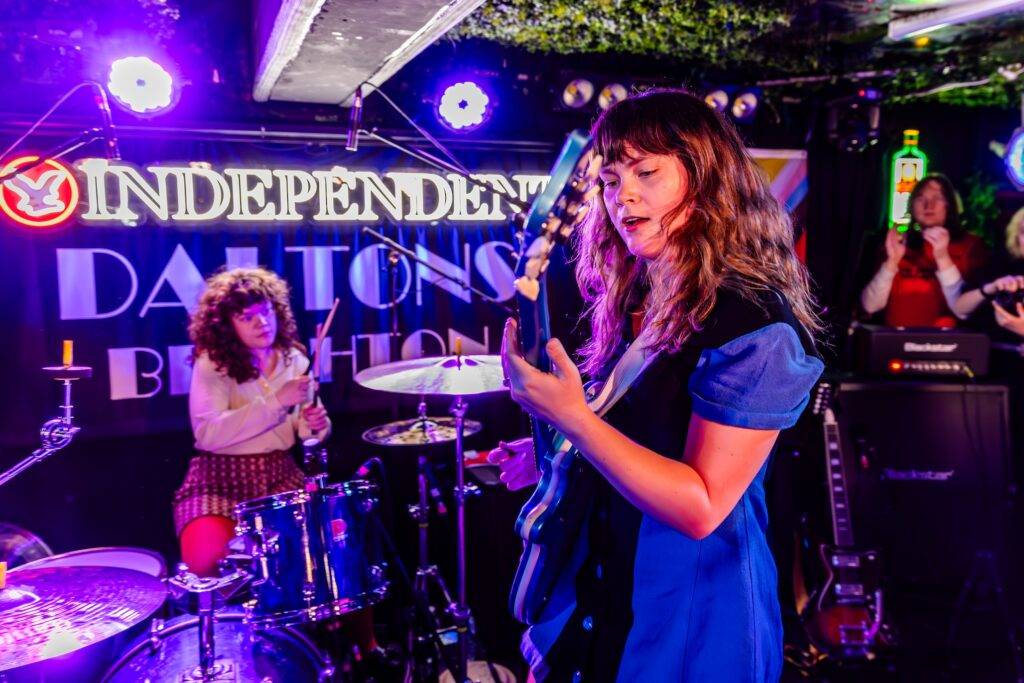
Heavy music also had a proper presence this year, with Download Festival and Kerrang! presenting The Download Stage at Dalton’s. This was not polite showcase fare. Native James brought rap-rock force, all muscle and urgency, while Frozemode delivered a similarly high-impact collision of punk, rap and rock energy. Comastatic, Ally Nicholasand OVERSIZE helped make Dalton’s feel like the festival’s pressure valve: louder, sweatier and less concerned with industry chin-stroking. For a festival often associated with indie, alt-pop and new guitar bands, the heavy programming gave the weekend a welcome boot through the door.
One of the most enjoyable names cutting through the weekend was Orchard, who appeared at the closing Dork Magazine party alongside Shame, Tooth, August and Goodbye. The Orchard’s sound is bright, brassy and generous, the kind of thing that can make even a rain-battered crowd feel like the sun might be contractually obliged to appear.
Then came Shame, who closed things with the kind of post-punk performance that makes “lively” feel like an understatement. They are not exactly a new secret at this point, but they remain a perfect Great Escape booking: chaotic enough for the faithful, sharp enough for the industry crowd, and physical enough to jolt a tired Saturday audience back into the room. After days of running between venues, it was the sort of ending that felt less like a gentle goodbye and more like being shoved cheerfully out into the night.
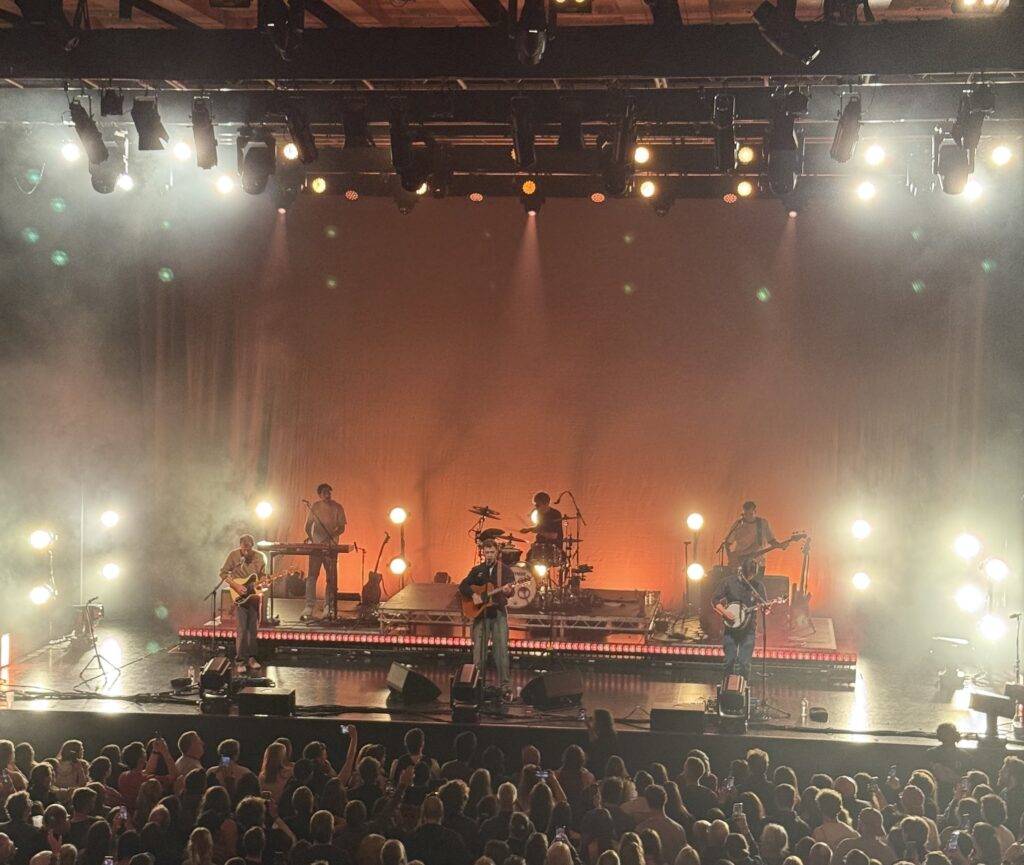
The Spotlight Shows gave the weekend its bigger-name anchors. At Brighton Dome, Peaches delivered exactly the kind of electroclash spectacle you would hope for: provocative, funny, theatrical and still politically pointed. Her conference appearance was just as memorable, with the artist speaking about equality, marginalised communities and using humour as a disarming force in art. Kingfishr, also at the Dome, offered a very different kind of scale. The fast-rising Irish trio deal in big, emotional, folk-rooted songs built for rooms far larger than the ones most Great Escape acts are currently playing. Together, those Spotlight Shows gave the anniversary edition a neat contrast: Peaches as iconoclast, Kingfishr as ascendant crowd-movers.
The conference programme had its own pull too. Melanie C spoke candidly about mental health and the brutal expectations placed on artists in the 90s, while Peaches, ILĀ, Emma Banks and Natasha Gregory added serious industry weight to the weekend. That side of The Great Escape can sometimes feel like a parallel universe to the venue-hopping chaos outside, but this year it mattered. The conversations around artist wellbeing, politics, touring, representation and the future of live music gave context to what was happening on stage.
Still, the real thrill was in the movement: leaving one venue buzzing, missing something else by minutes, catching half a set that unexpectedly becomes a highlight, then being told by someone in a queue that the best band of the weekend is playing across town right now. Brighton is built for that kind of festival. The seafront gives it drama, but the smaller venues give it soul. Komedia, Patterns, The Old Market, Horatio’s, Quarters, Dalton’s and the rest did what they always do: turned the city into a live map of what might happen next.
By the end, everyone looked tired, damp and slightly evangelical about at least three artists they had not heard of a week earlier. That is the Great Escape effect. You arrive with a plan and leave with a list. Some names will vanish into the endless churn of new music. Others will be on much bigger stages within a year or two, at which point everyone will claim they were definitely in the room in Brighton.
This year was not elegant. It was not easy. The weather was grim, the clashes were brutal, and the beach occasionally felt like a test of character. But The Great Escape 2026 worked because it still knows what it is: a thrilling, overstuffed, city-wide argument for new music. It gave us strange discoveries, loud rooms, sharp interviews, stormy beach sets and enough bands to make any sensible editorial calendar collapse.
Early bird tickets for The Great Escape 2027 are on sale now, with Super Earlybird festival tickets already sold out and Earlybird festival tickets and delegate passes available through the official festival site.
Book early, bring waterproofs, ignore at least half your schedule and follow the rumours. That is usually where the good stuff is.