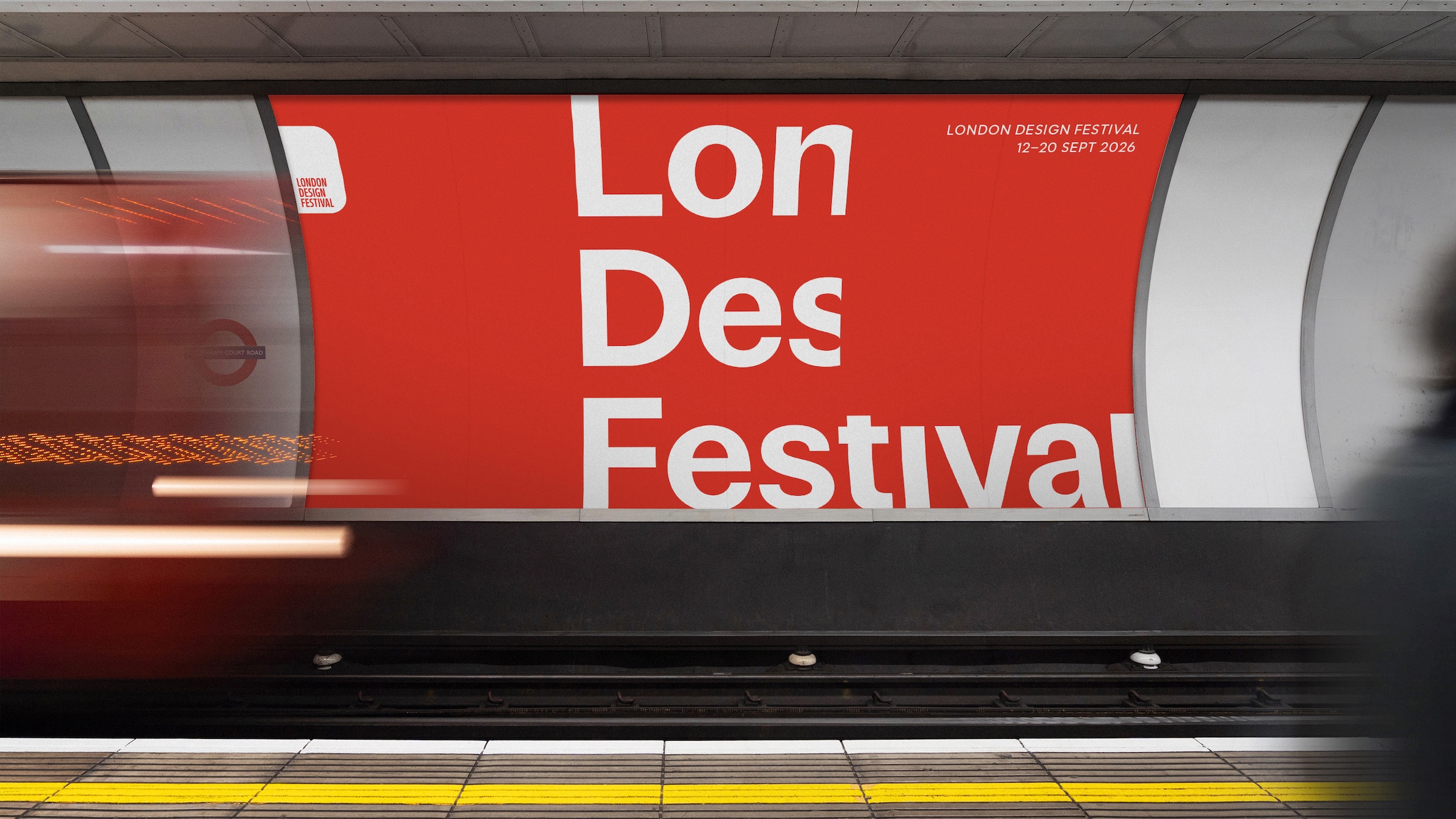
London is about to become one giant design stage once again, as the London Design Festival returns this September for its 24th edition.
Running from 12–20 September, London Design Festival 2026 will bring together designers, artists, makers, architects and creative thinkers from around the world, with installations, exhibitions, talks and events taking place across the capital.
And from what we’ve seen so far, there is plenty to look forward to.
This year’s festival feels particularly interested in the relationship between tradition and technology, heritage and innovation, and the physical and digital worlds. There is a strong international presence too, with projects exploring everything from Japanese craft and Chinese porcelain to AI, future living and the ways design can respond to ecological and social change.
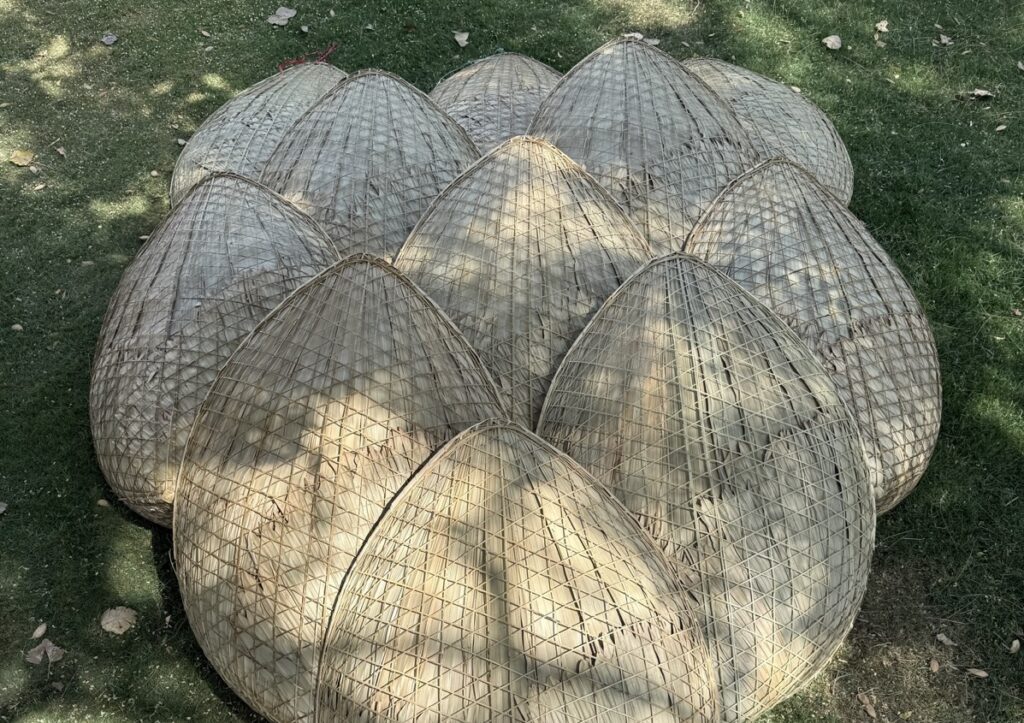
One of the headline installations we’re particularly intrigued by is The Pangolin Shield, created by Studio Saar with structural engineers Atelier One.
Taking over a pedestrianised street on the Strand, the pavilion draws inspiration from the pangolin – the world’s most trafficked mammal – and its distinctive protective scales.
The structure combines a bamboo grid shell with traditional Indian police shields and woven rain shields traditionally used by farmers in north-eastern India. Reconfigured as a canopy, the materials create a place for shelter, rest and conversation.
It’s an interesting example of what LDF does particularly well: taking design beyond aesthetics and using it to explore much bigger questions around ecology, migration, power and cultural history.
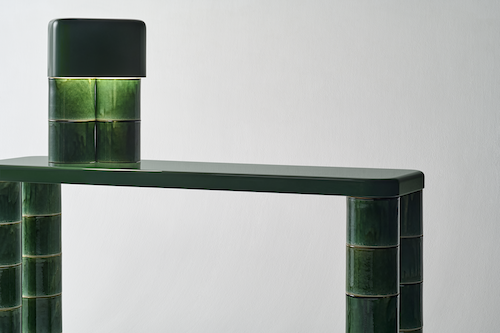
Another highlight is the return of Craft x Tech, which brings international designers together with Japanese craftspeople to explore what happens when centuries-old techniques meet contemporary design.
For 2026, the Tokai Project pairs six designers with six master craftspeople from Japan’s Tokai region. The resulting works range from furniture and lighting to textiles and sculptural pieces, and will be shown at the V&A’s Daylit Gallery.
Among the collaborations are Australian designer David Caon working with Yohei Ito on Fushi, Bethan Laura Wood collaborating with Hiroyuki Murase on Kataginu, and Philippe Malouin working with Shigeyuki Ando on Kasane.
It’s a timely reminder that innovation doesn’t necessarily mean abandoning the past. Some of the most interesting ideas can come from finding new applications for skills and materials that have been around for generations.
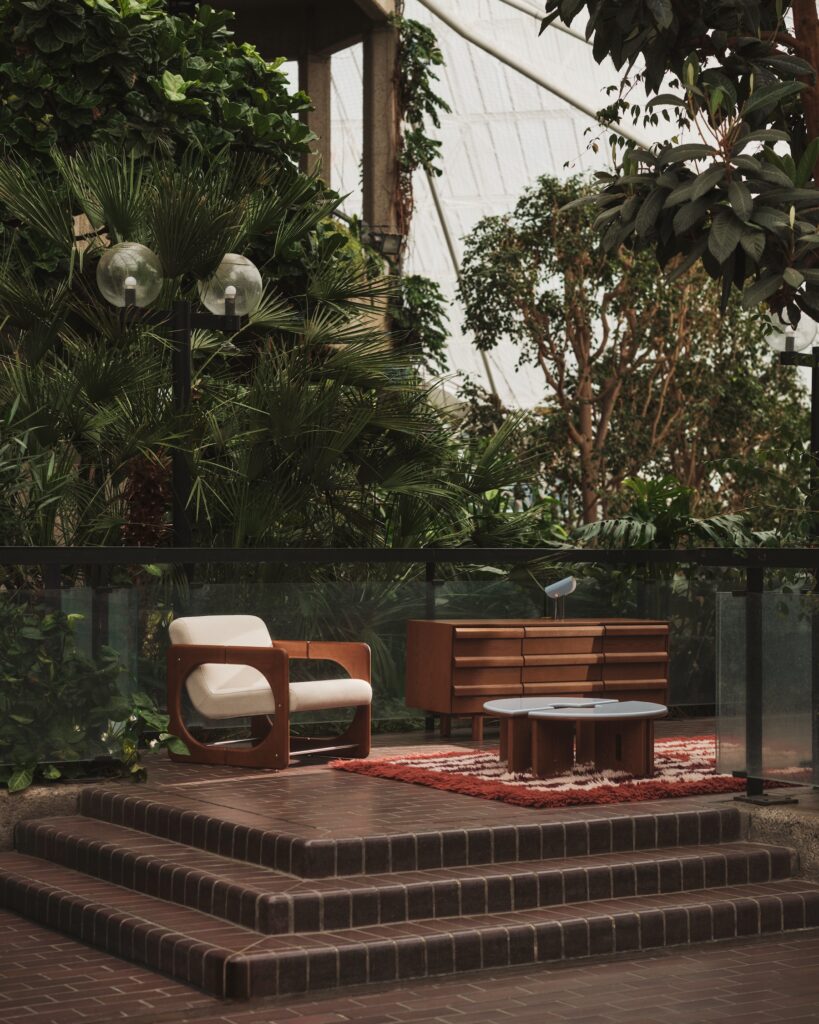
There is also a particularly London-centric collaboration on the programme, with MADE x Barbican.
The partnership will see MADE launch a 23-piece interiors collection inspired by the Barbican’s architecture and design history. Drawing on archival material, original layouts and the work of designer Miriam Howitt, the collection translates elements of the iconic Brutalist estate into furniture, lighting, textiles and accessories.
There will also be an immersive installation at the Barbican exploring the archive and the thinking behind the collection.
For anyone who has ever wandered around the Barbican and thought that its architecture would make a rather good interiors moodboard, this should be one to look out for.
The V&A once again plays a major role in the festival with V&A x LDF26: Awakenings.
The programme takes visitors through different parts of the museum, exploring the relationship between design, craft and technology. AI, the non-human world, sound and music, identity and sculptural furniture all feature.
There are works from a mix of international designers and artists, alongside new commissions from Aziza Kadyri, Eunjo Lee and Playfool, the V&A’s Emerging Designer 2026.
It looks set to be one of the more thought-provoking parts of this year’s festival, particularly as designers increasingly grapple with how technology is changing the way we live, work and create.
Over at the Design Museum, fashion and design collide with NIGO: From Japan with Love, the first major retrospective of the designer and KENZO Artistic Director.
NIGO is known for helping to bridge the worlds of streetwear and luxury fashion, making this an interesting addition to a festival that increasingly stretches beyond traditional definitions of design.
The Design Museum will also present its annual PLATFORM series, this year focusing on designer and artist Simone Brewster, whose work spans architecture, furniture, jewellery and collectible design.
One of the best things about London Design Festival is that it isn’t confined to a single venue – and this year there are 11 Design Districts to explore.
They include familiar creative hubs such as Chelsea, Brompton, Mayfair and Shoreditch, alongside Bankside, Dalston to Stokey, EC1, Fleet Street Quarter, Park Royal, Blackhorse Creates and the new Soho Design District.
Shoreditch Design Week, the festival’s largest dedicated district, runs from 15–20 September, bringing together more than 60 showrooms, galleries and creative spaces, with exhibitions, installations, talks, tours and workshops throughout the week.
And that’s really where the appeal of LDF lies for us. You don’t necessarily need to be a designer to enjoy it. It’s an opportunity to see London differently for a week – to wander into places you might not normally visit, discover emerging talent and see how design is responding to the world around us.
With the full programme continuing to develop ahead of September, London Design Festival 2026 looks set to be another packed week of ideas, creativity and some seriously good-looking things.
London Design Festival 2026 runs 12–20 September 2026 across London.