Exhibitions: ‘Grim Glory: Lee Miller’s Britain at War’, following on from a record-breaking Tate exhibition, this is a special opportunity to see Lee Miller’s work in the context of her home. This exhibition focuses on her early-war years, documenting the Blitz and women’s contribution to the war effort, including images not seen since publication in the 1940s. Ends 30th October.
Events:
Thursday 27 August – Film Screening of ‘LEE’, starring Kate Winslet as Lee Miller, enjoy this film in the setting of Lee Miller’s actual home, with a Q&A with Antony Penrose, Lee’s son and founder of the Lee Miller Archives, afterwards. Tickets: Select tickets – FILM SCREENING: ‘LEE’ – Lee Miller Gallery at Farleys House & Gallery
Friday 28 August – ‘Art Laughs’ comedy night, has featured at the National Gallery and Pallant House, now heads to Farleys with a Surreal twist! Art historian and comic Verity Babbs, and a line-up of comics, offer an education in art history through stand-up in an effort to bring laughter into cultural spaces. An unforgettable and strange evening. Tickets:Buy tickets – COMEDY: Art Laughs with Verity Babbs – Lee Miller Gallery at Farleys House & Gallery
Sunday 30 August – Annual Surrealist Picnic. A popular event each year celebrating the strange and surreal. Don a costume, pack your hamper and enjoy an afternoon of performance, music and frivolity in the Farleys Sculpture Garden. Tickets: Events – Farleys House and Gallery
American photographer Lee Miller and British Surrealist artist and curator Roland Penrose began the work of transforming a tired Sussex farmhouse into something altogether more unexpected, the house became a crucible of collaboration: a place where the most influential artistic minds of the century arrived, stayed, ate, argued, gardened and left having made something new.
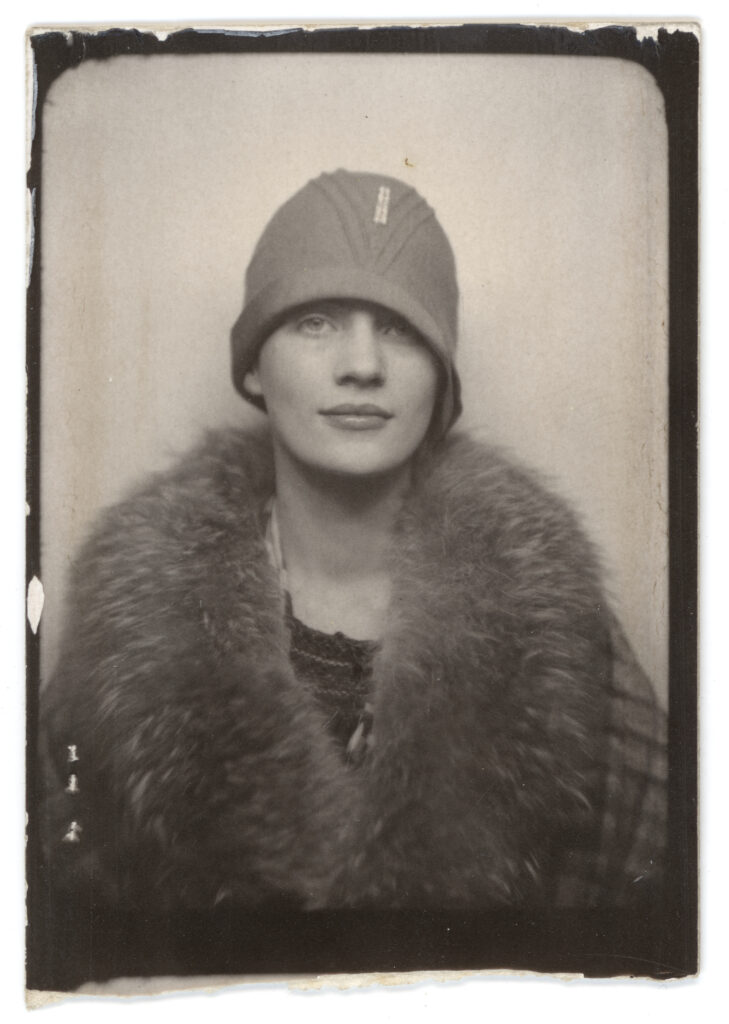
The year was 1949. Post-war Britain was austere and uncertain. Against that backdrop, Lee Miller and Roland Penrose set about making Farleys a home that would resist the grey. The house was bought as a farmhouse, and it remained a working farm, with lambs in the adjacent field whose descendants are there to this day, but under Lee and Roland’s stewardship it became something else entirely: a country house in the English tradition, run on Surrealist principles.
The guests who came through Farleys did not arrive for a quiet countryside weekend. They were expected to join in. Gardening, cooking, conversation that crossed every boundary between art, politics and personal history: this was how weekends at Farleys worked. Roland, as co-founder and co-director of the Institute of Contemporary Art in London, used the house as an informal extension of that project. ICA meetings were held here. Artists met curators over the dinner table. Writers met photographers. People who worked in publishing and magazines (Lee herself worked for Vogue) encountered up-and-coming creatives who they might later profile. The Sussex Downs, only an hour from London, provided both the setting and the perspective: far enough from the city to think differently, close enough that the people who mattered could reach it.
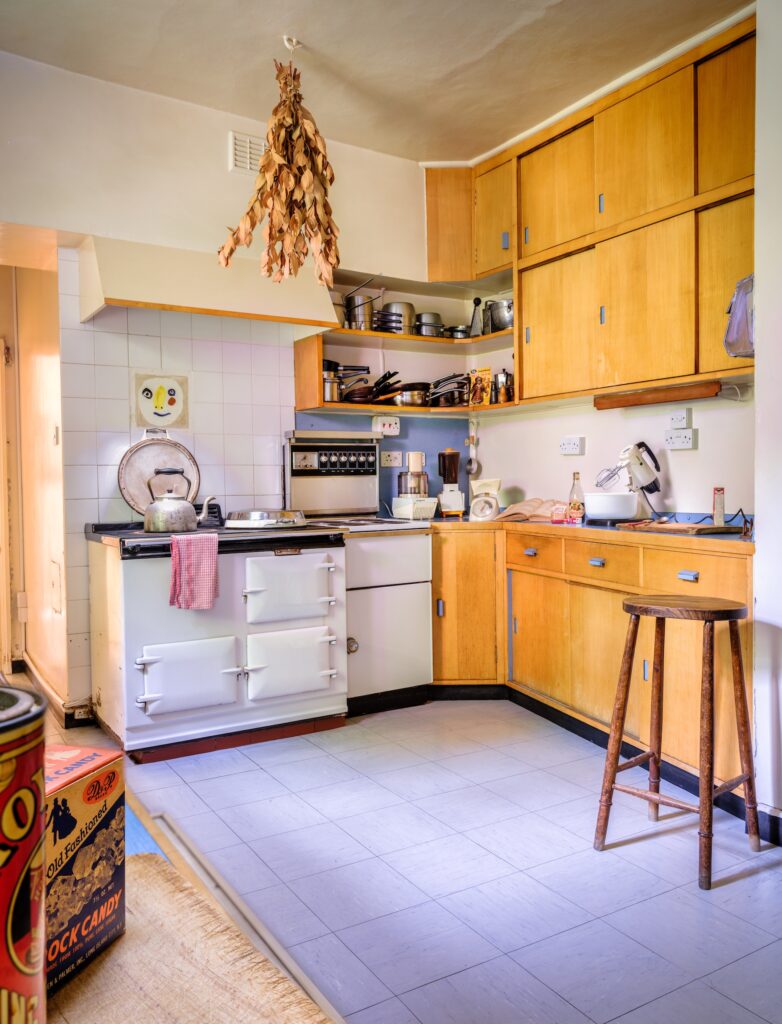
Of all the rooms at Farleys, it is the kitchen that carries the most accumulated weight. It was designed by Lee Miller to her own specifications, and in the 1950s it was considered remarkable enough in its own right (one of the first fitted kitchens in the United Kingdom) that people would make the journey to East Sussex specifically to see it. That is its domestic history. Its personal history is more significant still.
Lee Miller came to Farleys carrying what her years as a photojournalist during the Second World War had given her, which was considerable and not all of it easy to bear. She had photographed the liberation of the Nazi concentration camps. She had documented the human cost of a war that the world was still struggling to understand. At Farleys, she found in cooking and entertaining a way to reshape that energy: to nourish herself and others, to make something generous and immediate out of what she had experienced. By the time Lee died, she was, oddly and wonderfully, more famous as a celebrity chef than as a photographer. The kitchen, still in daily use by the Farleys team, and by visitors who book onto cookery workshops to make Lee’s own recipes in her actual kitchen, remains the heart of the house.
A house tour at Farleys rewards the attentive visitor. The Picasso tile (the artist was a close friend to the Farleys inhabitants) above the Aga is hard to miss. Other details require knowing where to look.
On the dining room table, Lee would place a silver-plated King Kong. It was a gentle, deliberate joke: a subversion of the British aristocratic tradition of elaborate silver centrepieces, a small piece of New York installed in the English countryside by someone who had not entirely made her peace with either. Lee Miller was simultaneously strong-willed and playful, and the King Kong contains both qualities in miniature.
On the living room shelf, her knuckledusters. Members of the press were not permitted to carry weapons while covering the Second World War. Lee had a set regardless. The silver pair she wore around her neck, tied with a ribbon, reserved, in her own description, for evening wear.
Outside the house, near the fig tree, there is a plaque by Roland Penrose that visitors can easily walk past without registering: a cement circle with flint from Birling Gap set into it, a sun with a face, made in 1954. Roland, by this point in his career, was predominantly a curator and collector. But he was still inherently an artist, and this small, quietly beautiful work, affixed to the outer wall of his own home and made from material gathered from the nearby Sussex coast, reflects a man who had become deeply invested in the agricultural rhythms of the landscape he now farmed. The sun and its face speak to the seasons, to folkloric histories led by weather, to the particular attention that working land demands of the people who tend it.
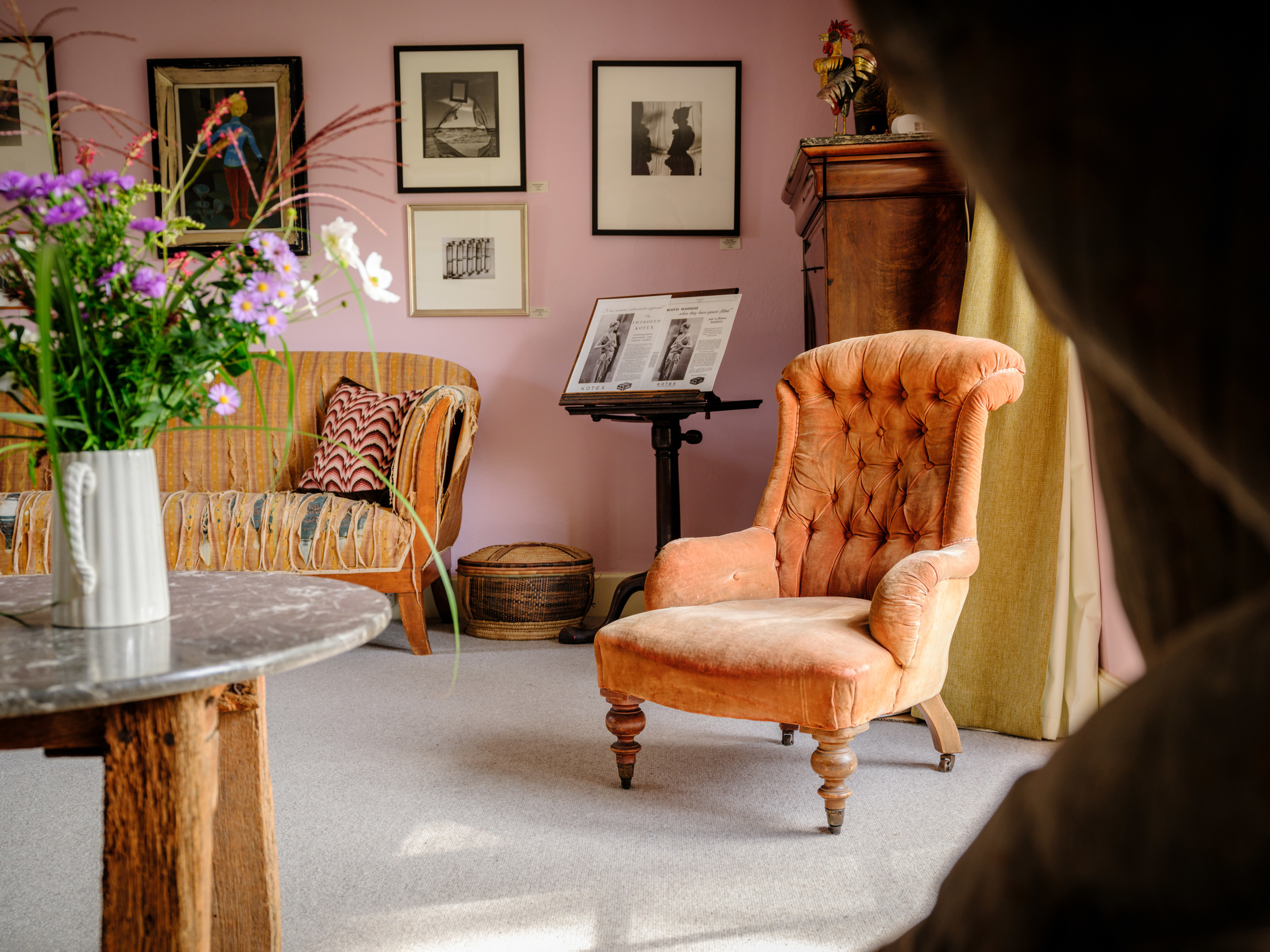
Farleys is now a house museum, sculpture garden and home to the Lee Miller Archives. It opens each year from April to October, and the experience of visiting is shaped by the fact that the house retains, largely through the fastidiousness of Lee’s long-serving housekeeper Patsy, the atmosphere of how it was when Lee and Roland lived here. The Picasso tile is above the Aga. Lee’s herb garden is still growing and still in use. The fish pond in the garden, shaped unmistakably like a fish, is still the best thing to look at with a hot drink in hand.
But Farleys looks forward as deliberately as it looks back. The sculpture garden holds a rotating roster of works by contemporary artists. The exhibitions programme uses Lee and Roland’s Surrealist spirit as a starting point and extends it into the present: exhibitions here have included contemporary Indian photographers, a documentary project capturing untold stories of women working in agriculture in northern England, and a collaborative exhibition exploring what it means to live with epilepsy. The programme is guided by an awareness that Lee Miller herself was, for much of her life, overlooked, and a commitment to spotlighting others who share that experience, whether artists from her own era who have only recently received the recognition they were owed, or emerging creatives working today.
The Lee Miller Archives ensure that the research never ends. Lee’s letters survive. Her lengthy manuscripts, written from war-torn Europe, survive. Her photographs, which collectively constitute one of the most significant bodies of documentary and artistic work of the twentieth century, are held and maintained here, and the Archive works with galleries and museums worldwide to ensure that exhibitions of her work remain loyal to her original photographic vision and artistic intent. When people contact Farleys via social media to say that they have identified a family member in one of Lee’s images, and offer their own remembered version of that moment in time, those testimonies become part of the ongoing project of understanding what the photographs contain and what they mean.
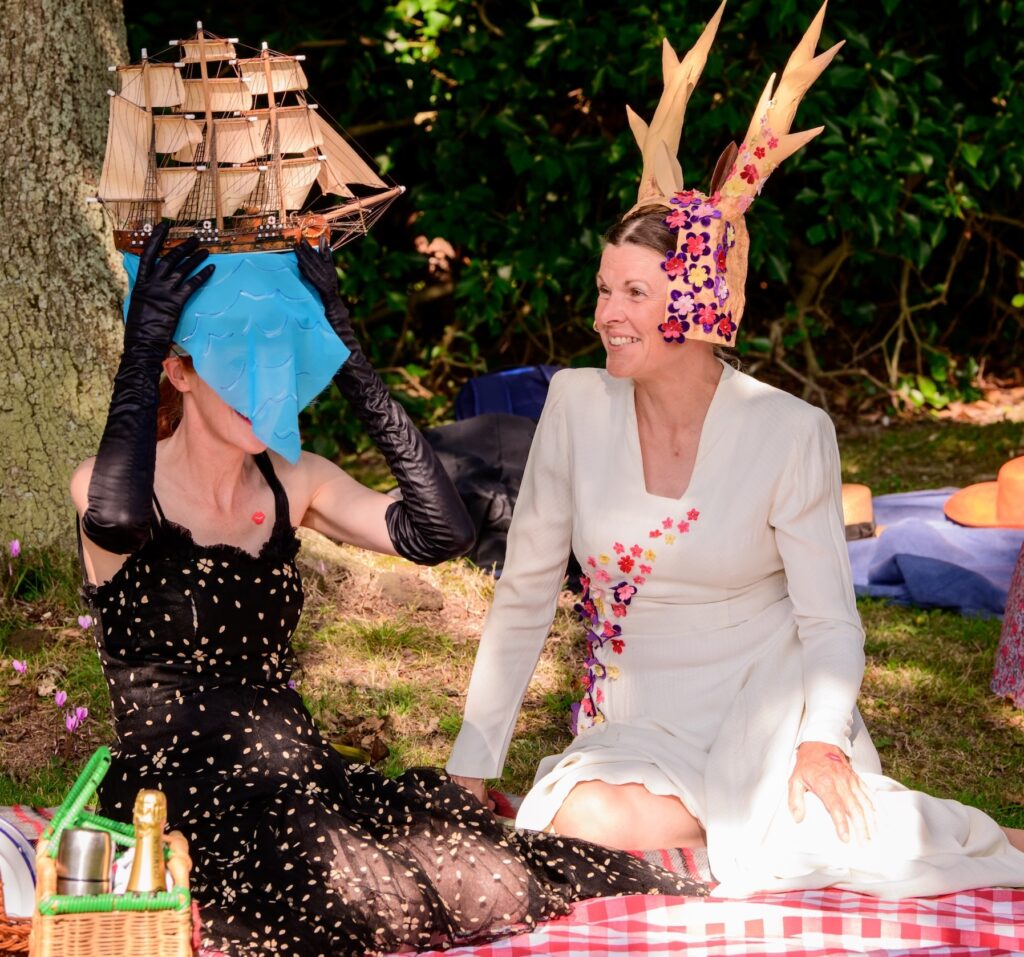
Once a year, on the Sunday of the August bank holiday weekend, the sculpture garden at Farleys does something rather wonderful: it fills with people in extraordinary costumes carrying more extraordinary food. The Annual Surrealist Picnic, which has taken place every summer since 2017, is not a sedate affair. Guests are encouraged to take the spirit of Surrealism personally, which they reliably do. The costumes have been brilliant and deranged in equal measure. The picnic food has been suitably hard to explain. Live jazz plays across the garden, with The Hot Club Quartet now established as the event’s much-loved house band. Contemporary dance has featured, as has opera, which arrived for the first time in 2025. The whole thing takes place rain or shine, which in the context of an August bank holiday weekend in Sussex is not quite the throwaway commitment it might seem.
What the picnic does, more than anything else, is embody the spirit that Lee and Roland brought to Farleys in the first place. The idea that art and life should not be kept in separate rooms, that a Sunday afternoon in the garden can be an act of imagination, that the people around you might be persuaded to do something genuinely unexpected if you give them permission: this was how weekends at Farleys worked in the 1950s, and it is, unmistakably, how the Surrealist Picnic works now. The scale is different. The cast of characters has changed. The impulse is the same.
The Picnic has now expanded into a series of events. On Friday 28th August, Farleys is hosting its first ever comedy night with art historian and comedian Verity Babbs, whilst a film night is still to be announced. Check the Farleys event listings on their website for more information.
For the first time, Surrealist Picnic Boxes can be pre-ordered, put together by Natalie Curran of The Lindfield Kitchen. An afternoon of live music, surreal performance and the particular pleasure of watching someone arrive in a costume that requires genuine explanation: it is, by any measure, a very good way to spend a bank holiday Sunday in East Sussex.
Farleys, at its best, does something that very few places manage: it makes the past feel present without making it feel preserved. Just this June, Farleys has announced that it has gained charity status. Antony Penrose, the son of Lee Miller and Roland Penrose, is gifting the house, galleries, garden and wider site to the recently-established Farleys House and Gallery Trust, to safeguard this special place for future generations.
Just as the house was filled with guests when Lee and Roland lived here – with artists such as Leonora Carrington, Henry Moore, Joan Miró, Max Ernst and Dorothea Tanning visiting, to name just a few – Farleys wants to ensure that its doors remain open to visitors for decades to come.
Launching as a charity means Farleys will be more reliant than ever on the support from individuals, trusts, foundations and corporations. Having grown from a home to a family-run company and now charity, Farleys is now one of the major centres for Surrealism in the UK.
Today, still managed by the family, a dedicated small team and now a board of trustees, Farleys continues its commitment to public engagement through house tours, exhibitions, events and workshops. Channelling the Surrealist spirit to look ahead, Farleys is, as it always has been, a house that lives artfully. The cooking, the gardening, the art on the walls, the friends around the table: all of it equally worthy of attention. Visitors who spend an hour here, or an afternoon, or a day attending a cookery workshop in Lee’s kitchen, tend to leave thinking about what a home can mean.
Farleys House & Garden is open annually April to October 30th on Thursdays, Fridays, Sundays and select Saturdays. For visiting information, exhibition listings, workshops and events, visit www.farleyshouseandgallery.co.uk