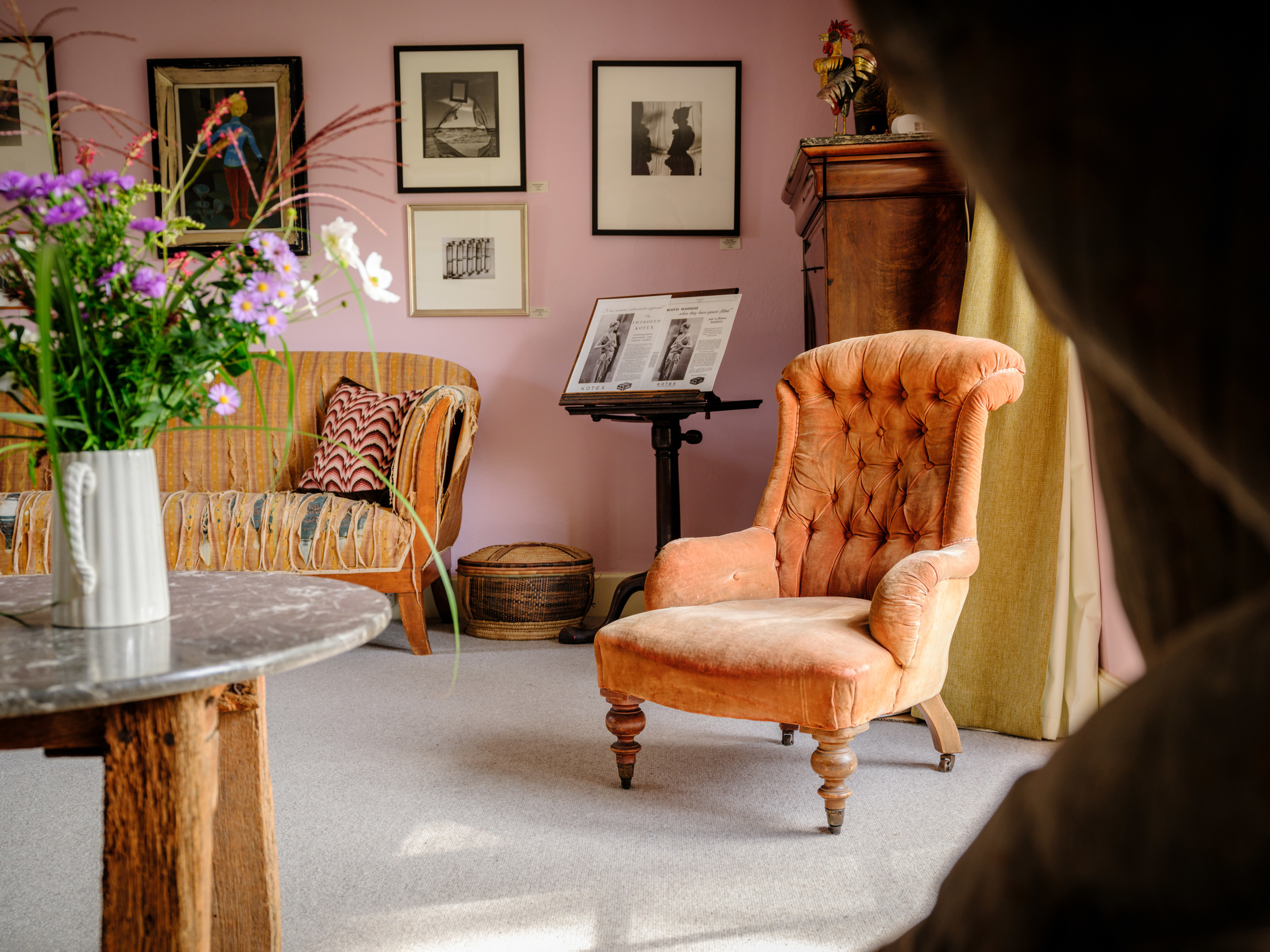
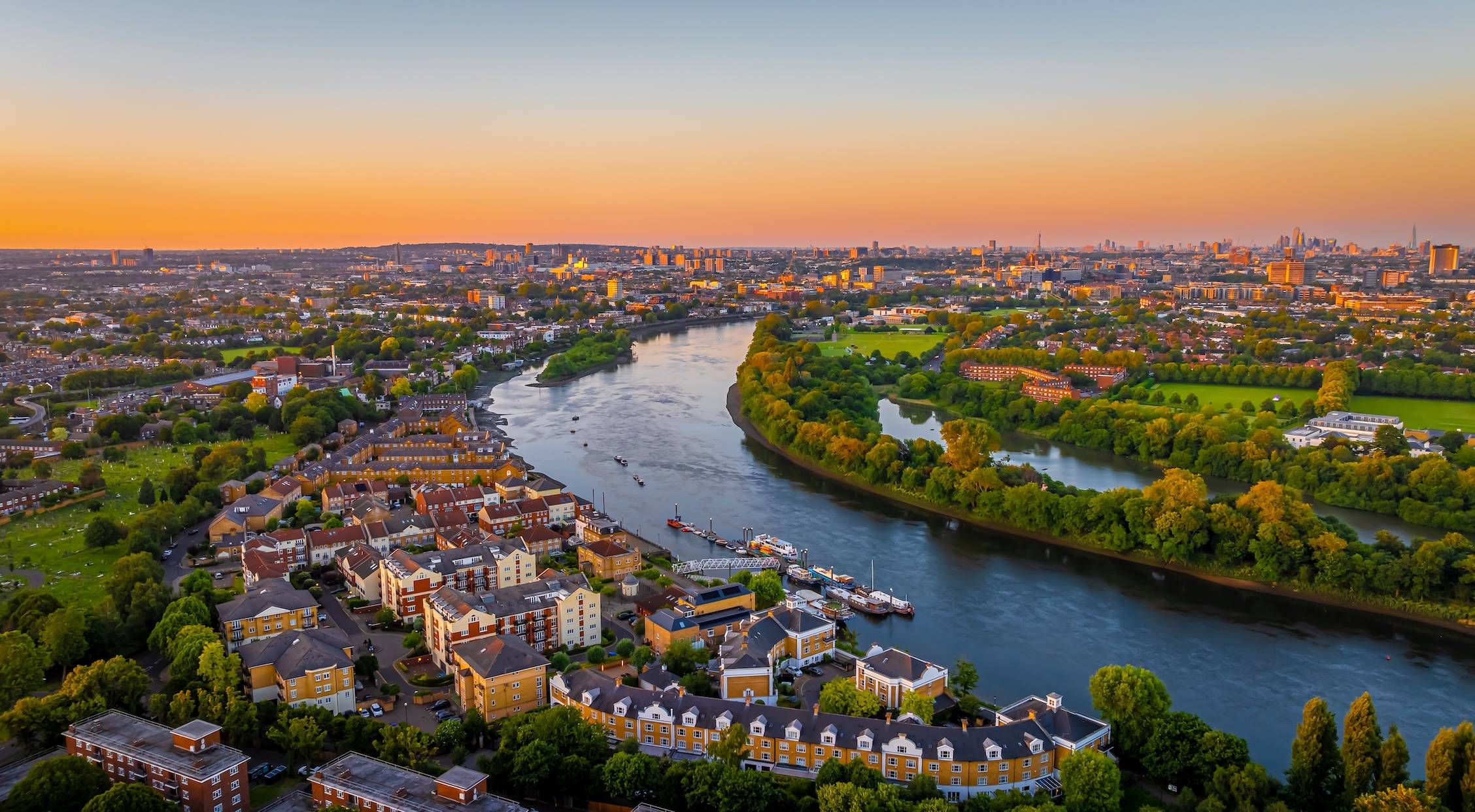
There are two types of property searches. The first is practical: bedrooms, bathrooms, parking, garden, commute. The second is emotional: the walk to coffee, the light at 5pm, the pub you actually use, the view that makes the mortgage feel slightly less alarming.
The best places to live in Sussex and London tend to sit somewhere between the two. They are not simply expensive because estate agents have become poetic. They have the things that keep demand high: rail links, good schools, green space, coastline, architecture, restaurants, theatres, parks, private roads, sea views, village centres, or the particular thrill of being close to London while feeling as if you have escaped it.
The market in 2026 is more sober than it was during the pandemic rush. London prices have cooled, with Rightmove showing the capital’s average sold price at £678,277, down 3% on the previous year, while ONS data puts the average London house price at £542,000 in March 2026. Across the South East, the ONS average was £379,000, broadly flat year-on-year. So this is not a runaway market, but it is still a selective one. The best streets, the best views and the best-proportioned houses continue to command a premium.
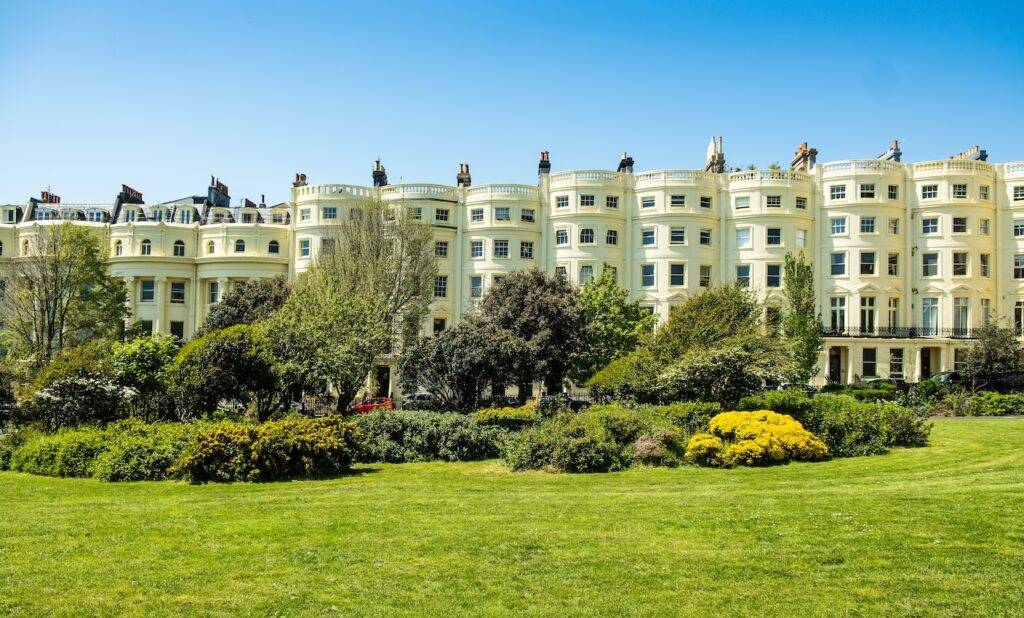
Brighton and Hove remains the obvious Sussex move for people who want coastal life without going quiet. It has the sea, the station, the Lanes, the Royal Pavilion, the Dome, the Theatre Royal, independent restaurants, decent schools, music venues and that slightly chaotic sense that something is always happening, even on a Tuesday.
That energy comes at a price. Rightmove puts the average sold price across Brighton and Hove at £498,251, with flats averaging £333,419, terraced houses £553,534 and semi-detached homes £592,876. Brighton itself averages £474,630, while Hove is higher, at £557,332.
What drives prices:
The premium comes from London access, sea views, Regency architecture, school catchments, the Brighton-to-Hove lifestyle shift, and proximity to the station. Hove’s wide avenues and larger flats attract downsizers and family buyers, while Brighton’s North Laine, Seven Dials and Kemp Town appeal to those who still want a bit of edge with their sourdough.
Streets and pockets to know:
At the top end, think Western Esplanade, Tongdean Avenue, Roedean Crescent, Roedean Way, Withdean Road, Hill Brow and Dyke Road Avenue. These are the large-house, gated-drive, sea-view or leafy-family-home addresses. Property Solvers’ analysis of Brighton and Hove’s most expensive streets listed Western Esplanade at an average above £2.8m, with Tongdean Avenue, Roedean Crescent and Roedean Way all above £2.2m.
For more family-friendly but still desirable options, look at Fiveways, Preston Park, Patcham, Westdene, Poets Corner, Aldrington and parts of Portslade. These areas often offer three or four-bedroom houses, gardens, schools and easier parking than the city centre.
What you get for the money:
Around £300,000 to £400,000 is typically flat territory, often one or two bedrooms depending on condition and location. Around £550,000 to £750,000 can buy a family terrace or semi in the right pocket, sometimes with a small garden. Above £1m, you move into larger period houses, Hove avenues, sea-view homes, prime Kemp Town or big detached family houses north of the city. At £2m-plus, you are buying scale, privacy, sea views, prestige roads or all four.
Who is moving there:
London families, creative professionals, downsizers from larger Sussex houses, media and tech workers, LGBTQ+ buyers drawn by Brighton’s culture, and empty nesters who want restaurants, galleries and the sea without giving up train links.
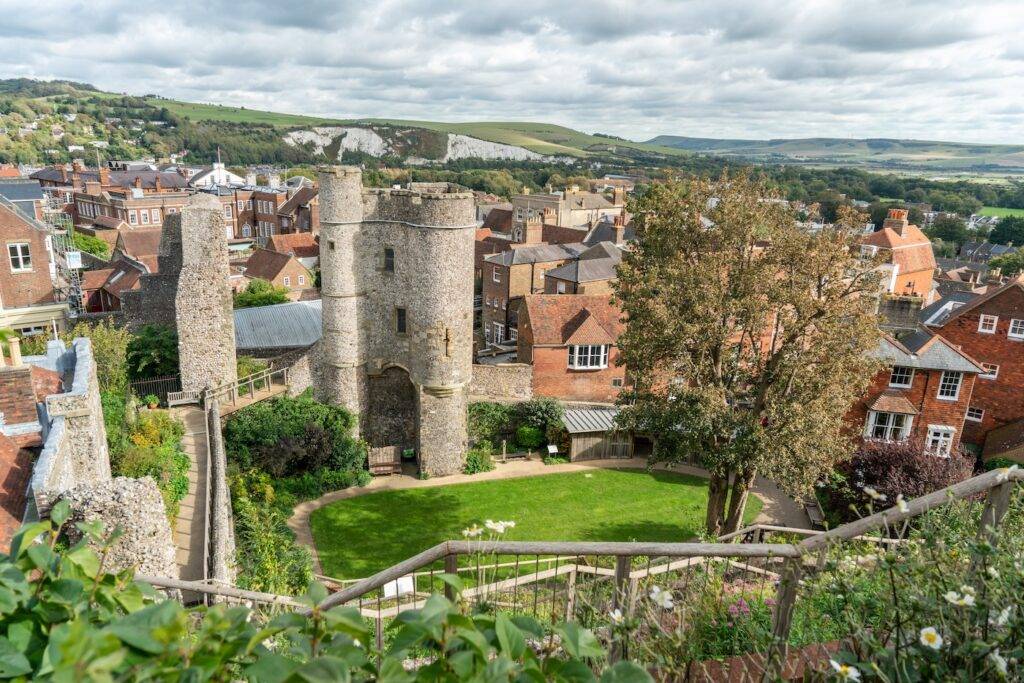
Lewes is not Brighton-lite. It is its own thing: older, quieter, more historic and possibly more confident. It has the castle, Harvey’s Brewery, independent shops, Glyndebourne nearby, the South Downs on the doorstep and a station that keeps it connected to Brighton and London.
Rightmove gives Lewes an average sold price of £508,144, with terraced homes averaging £535,666, flats £282,953 and semi-detached properties £559,794.
What drives prices:
Lewes is expensive because it combines architecture, landscape and connectivity. Buyers pay for Georgian and Victorian houses, views across the Downs, a proper town centre and the feeling that the place has not been completely hollowed out by chain retail.
Streets and pockets to know:
Prime Lewes tends to centre around The Pells, Southover, Keere Street, St Anne’s Crescent, Rotten Row, High Street, Castle Precincts and roads with Downs views. Nevill and Wallands are more family-oriented, with larger houses, gardens and a quieter residential feel.
What you get for the money:
Around £280,000 to £350,000 usually means a flat or smaller cottage. Around £500,000 to £650,000 can buy a two or three-bedroom period terrace, often with character but not always much parking. At £750,000 to £1m-plus, expect larger townhouses, family homes in Wallands or Nevill, or houses with views, gardens and proper proportions.
Who is moving there:
Academics, writers, consultants, downsizers, London escapees who find Brighton too busy, and families who want culture, schools and countryside without moving somewhere sleepy. Lewes buyers tend to value books, boots, wine, politics and a good front door.
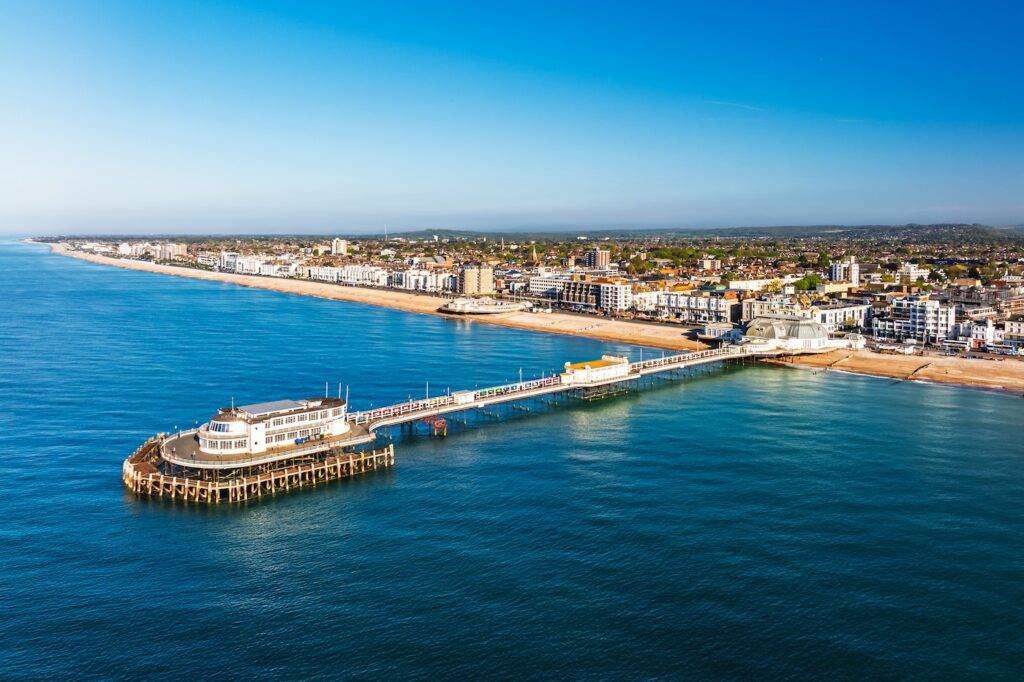
Worthing has changed. Not overnight, and not in a try-hard way, but enough that people who once dismissed it are now checking listings. The seafront, pier, theatres, Dome Cinema, independent restaurants and proximity to the South Downs all help. So does the fact it remains noticeably cheaper than Brighton and Hove.
Rightmove puts Worthing’s average sold price at £380,508, with flats averaging £225,325, terraced homes £364,590 and detached houses £595,240. ONS figures show a lower average of £302,000 in March 2026, down 3.8% year-on-year, which suggests buyers may have more room to negotiate than in tighter markets.
What drives prices:
The sea, affordability compared with Brighton, the improving restaurant scene, period houses, good rail links and the shift in buyer psychology. Worthing no longer feels like a consolation prize. For many, that is the point.
Streets and pockets to know:
Higher-value areas include West Worthing, Offington, Charmandean, High Salvington and seafront addresses with views. Broadwater is popular with families, while Tarring offers village character. East Worthing can offer better value, especially for buyers happy to renovate.
What you get for the money:
Around £225,000 to £300,000 can still buy a flat, sometimes close to the sea. Around £375,000 to £500,000 gets you into family house territory, often three bedrooms with a garden. Around £600,000-plus opens up detached houses, larger gardens, better school catchments and higher-ground views towards the sea or Downs.
Who is moving there:
Brighton leavers, young families, Londoners who want the coast but not Hove prices, retirees who want life rather than isolation, and 40-to-60-somethings who want restaurants, beach walks and a calmer version of coastal living.
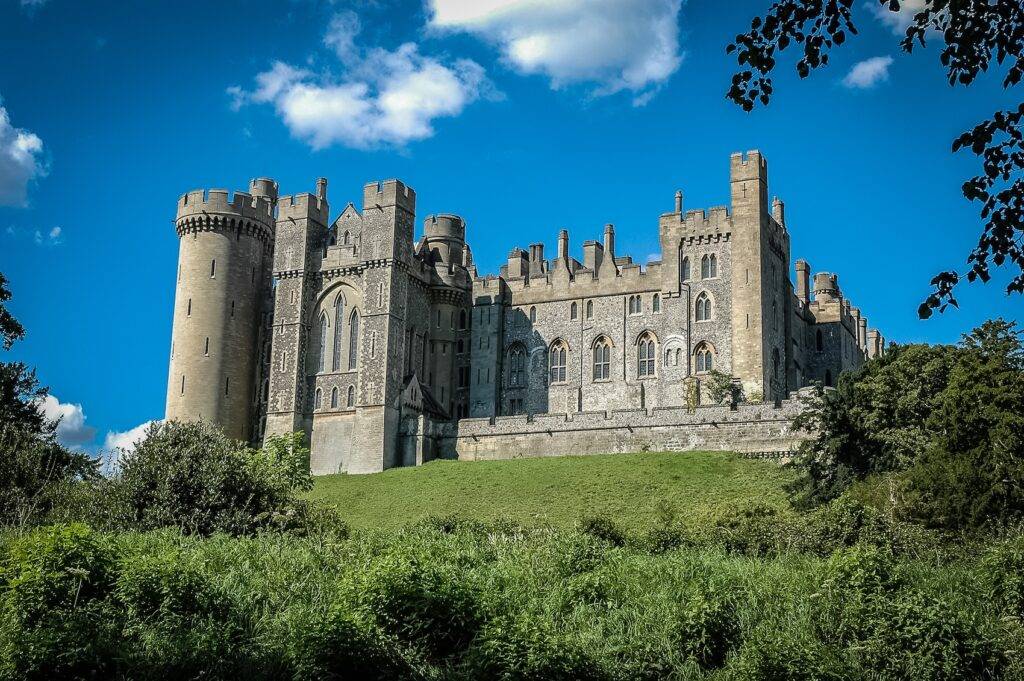
Arundel is small, beautiful and expensive for a reason. It has Arundel Castle, the cathedral, the river, antique shops, galleries, restaurants, walks into the South Downs and a sense of theatrical permanence. It is the sort of town that looks good in rain, which is more useful than people admit.
Rightmove puts Arundel’s average sold price at £609,641, with terraced homes averaging £597,607, detached houses £947,500 and semi-detached homes £384,357. Prices were 16% up on the previous year.
What drives prices:
Scarcity. Arundel is compact, protected by its historic fabric, and surrounded by countryside. There are only so many period houses within walking distance of the castle, cathedral and restaurants. That keeps demand high.
Streets and pockets to know:
Prime addresses include Maltravers Street, Tarrant Street, High Street, King Street, Mount Pleasant and homes close to the castle or with views over the Arun Valley. Nearby villages such as Walberton, Warningcamp and Slindonoffer larger country-style homes and gardens.
What you get for the money:
Around £400,000 to £550,000 may buy a cottage or smaller terrace. Around £600,000 to £900,000 gets you into handsome period homes, often with character rather than vast square footage. Above £1m, you are looking at larger detached houses, views, land, exceptional period detail or village houses nearby with proper gardens.
Who is moving there:
Downsizers with equity, heritage-loving Londoners, semi-retired professionals, second-home buyers and people who want countryside, culture and a town that feels finished rather than emerging.
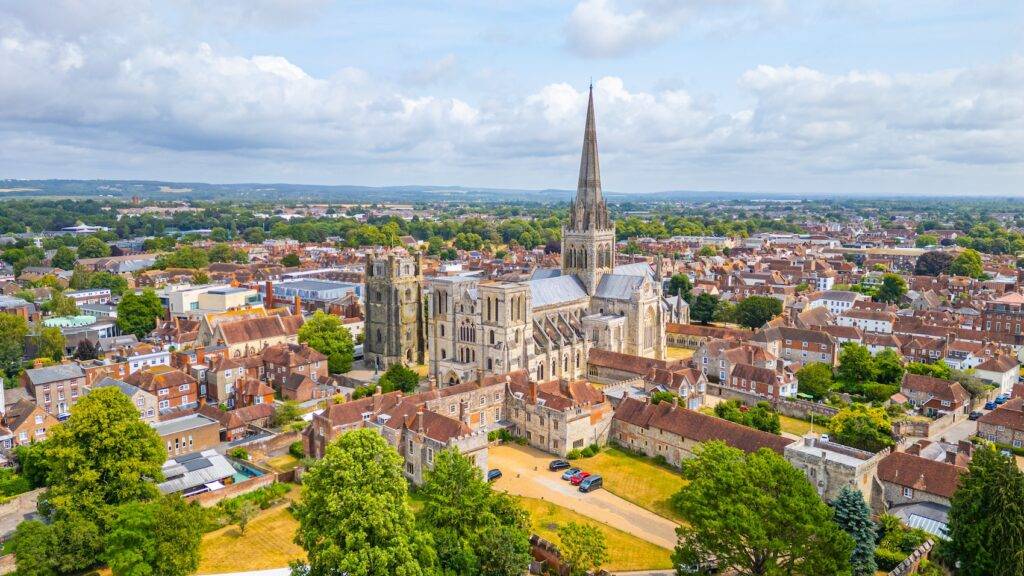
Chichester is a very particular kind of desirable. It is not flashy, but it is quietly loaded with lifestyle assets: the cathedral, Festival Theatre, Pallant House Gallery, Goodwood, the South Downs, Chichester Harbour, West Wittering nearby and a compact centre that still works as a city.
Rightmove puts the average sold price in Chichester at £445,120, with detached homes averaging £674,009, terraced houses £399,633 and flats £261,324.
What drives prices:
Culture, coast, countryside and retirement appeal. Chichester is particularly strong for buyers who want access to sailing, theatre, walking, restaurants and Goodwood without living somewhere hectic.
Streets and pockets to know:
Prime central addresses include The Pallants, North Pallant, South Pallant, West Pallant, East Pallant, St John’s Street, Summersdale, Graylingwell and roads around the city walls. Fishbourne, Bosham, Lavant and West Ashlingpull in buyers wanting village life close to the city.
What you get for the money:
Around £260,000 to £350,000 is flat or smaller house territory. Around £400,000 to £550,000 can buy a period terrace or practical family home. Around £700,000-plus gets you detached houses, better gardens, village settings or proximity to harbour and countryside. For waterfront or Bosham-style prestige, prices climb quickly.
Who is moving there:
Retired and semi-retired professionals, sailing types, theatre-goers, London and Surrey downsizers, families seeking schools and space, and buyers who want a polished West Sussex life without needing Brighton’s noise.
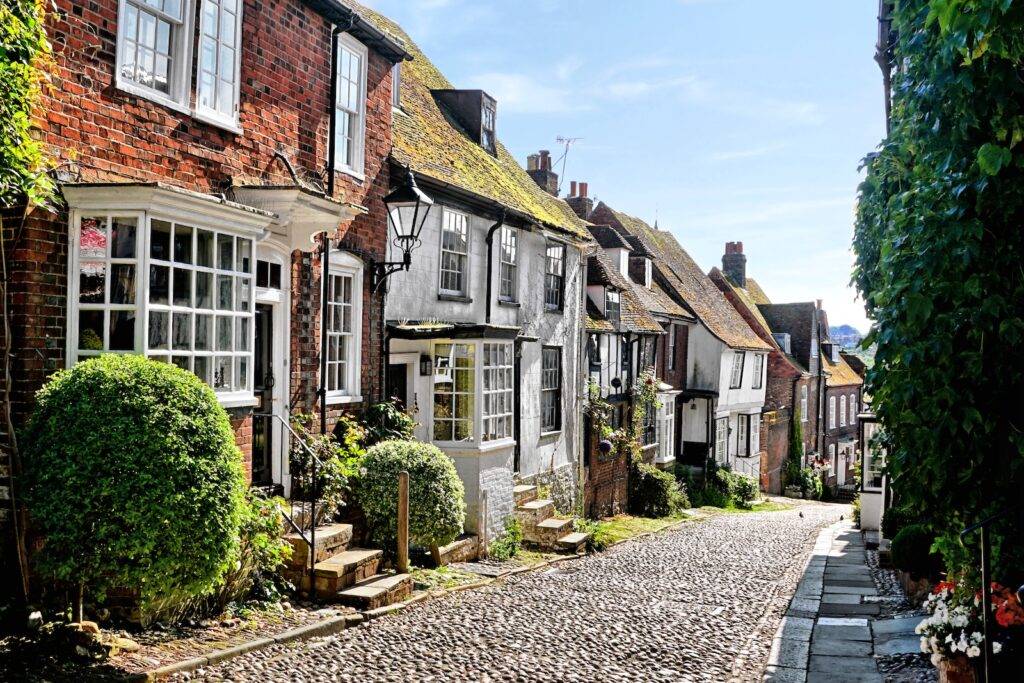
Rye is beautiful in a way that makes practicality feel rude. Cobbled streets, Mermaid Street, antique shops, old inns, views across Romney Marsh, Camber Sands nearby and a sense of history that has not been over-sanitised.
Rightmove puts Rye’s average sold price at £402,694. The market is varied, with period cottages, townhouses, flats and nearby village homes all behaving differently.
What drives prices:
Atmosphere. Rye is not the easiest place to commute from, and that protects it from becoming purely commuter-driven. Buyers pay for romance, history, weekend appeal, holiday-let potential, creative cachet and proximity to the coast.
Streets and pockets to know:
The trophy addresses are around Mermaid Street, Watchbell Street, Church Square, West Street, Market Street and the ancient citadel. More practical family homes can be found further out from the historic core, while nearby Winchelsea, Camber, Iden and Peasmarsh offer different versions of the Rye lifestyle.
What you get for the money:
Around £300,000 to £450,000 may buy a cottage, flat or smaller terrace, often with compromises on parking or outdoor space. Around £500,000 to £750,000 brings larger period homes, gardens or better-positioned houses. Above that, you are looking at standout historic homes, countryside settings, larger gardens or marsh views.
Who is moving there:
Artists, writers, design-conscious downsizers, London weekenders, semi-retirees and people who would rather have atmosphere than a Waitrose five minutes away. Rye is not for everyone, which is why it remains interesting.
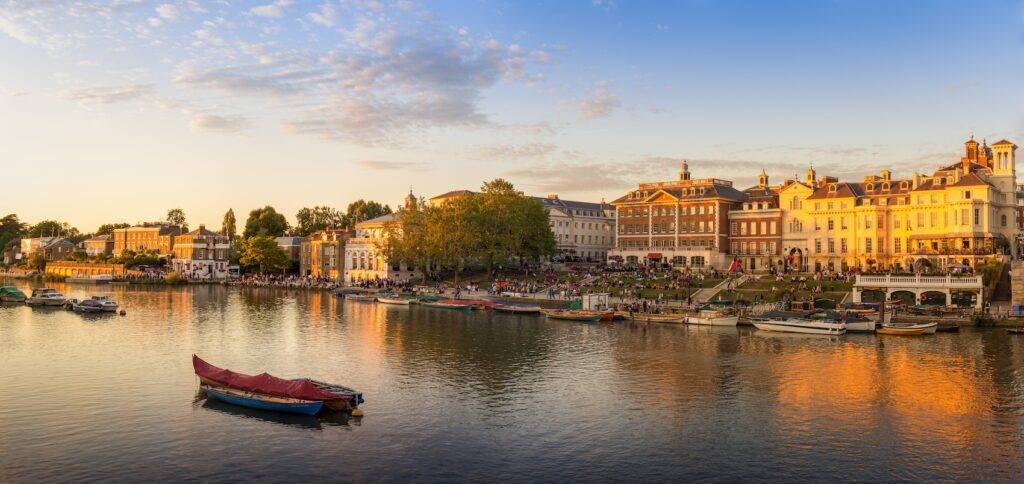
Richmond is one of London’s great lifestyle postcodes. It has Richmond Park, the Thames, Richmond Green, riverside pubs, handsome houses, good schools, theatres, restaurants and fast access into central London. It is London for people who like London but would prefer it with more trees and fewer emotional breakdowns on the Central line.
Rightmove puts Richmond upon Thames’ average sold price at £923,921, with flats averaging £514,934, terraced homes £975,749 and semi-detached houses £1,249,718.
What drives prices:
Green space, schools, the river, period houses and the rare ability to live in London while feeling almost semi-rural. Richmond Park is not just a nice amenity; it is a price engine.
Streets and pockets to know:
Prime Richmond includes The Terrace, Richmond Hill, Petersham Road, Old Palace Lane, Onslow Road, Sheen Road, The Vineyard and streets around Richmond Green. St Margarets, East Sheen and parts of Kew offer slightly more family-friendly alternatives, while still carrying strong lifestyle appeal.
What you get for the money:
Around £500,000 to £650,000 is often flat territory, usually one or two bedrooms. Around £1m to £1.4m can buy a terraced family house, depending on condition and location. Above £2m, you are looking at larger period homes, park proximity, river views, bigger gardens and the sort of address that makes dinner-party conversations shorter.
Who is moving there:
Established families, finance and legal professionals, international buyers, downsizers who want prestige without central London intensity, and people who want to walk a dog in a royal park while still being in Zone 4.
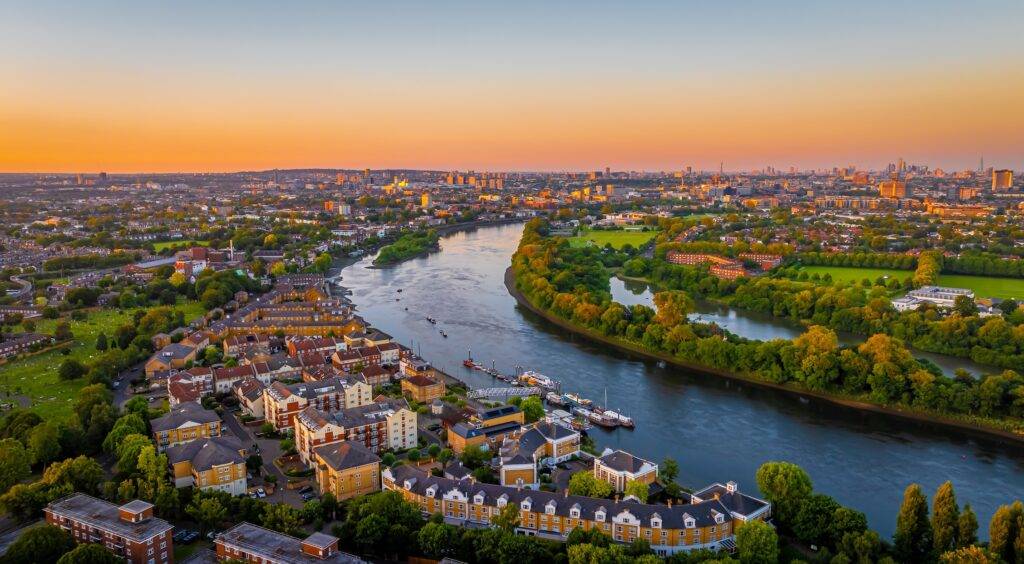
Chiswick is polished, practical and extremely good at being lived in. It has Turnham Green, Chiswick House and Gardens, the river, good restaurants, boutiques, excellent transport, Bedford Park architecture and family houses that make people forgive the price per square foot.
Rightmove puts Chiswick’s average sold price at £1,052,051, with flats averaging £559,039, terraced homes £1,277,814and semi-detached houses £2,153,478.
What drives prices:
Schools, transport, period housing, the river, Chiswick High Road, Bedford Park and the area’s ability to feel neighbourly without feeling provincial. Upmarket cafés and restaurants also matter. They are not just lifestyle decoration; they signal demand.
Streets and pockets to know:
Prime Chiswick includes Bedford Park, The Avenue, Sutton Court Road, Grove Park, Duke Road, Ellesmere Road, Rusthall Avenue, Flanders Road and the river roads near Chiswick Mall. More accessible family pockets sit around Acton Green, parts of Gunnersbury and streets north of the High Road.
What you get for the money:
Around £550,000 to £750,000 buys a flat, often two bedrooms if you are sensible about location. Around £1.2m to £1.6mcan buy a terraced family house, often three or four bedrooms with a garden. Above £2m, expect larger semi-detached houses, Bedford Park character, wider plots, off-street parking or proximity to the river.
Who is moving there:
Families trading up from flats, west London professionals, media buyers, returning expats, downsizers from larger houses who still want restaurants and transport, and buyers who want a softer version of prime London.
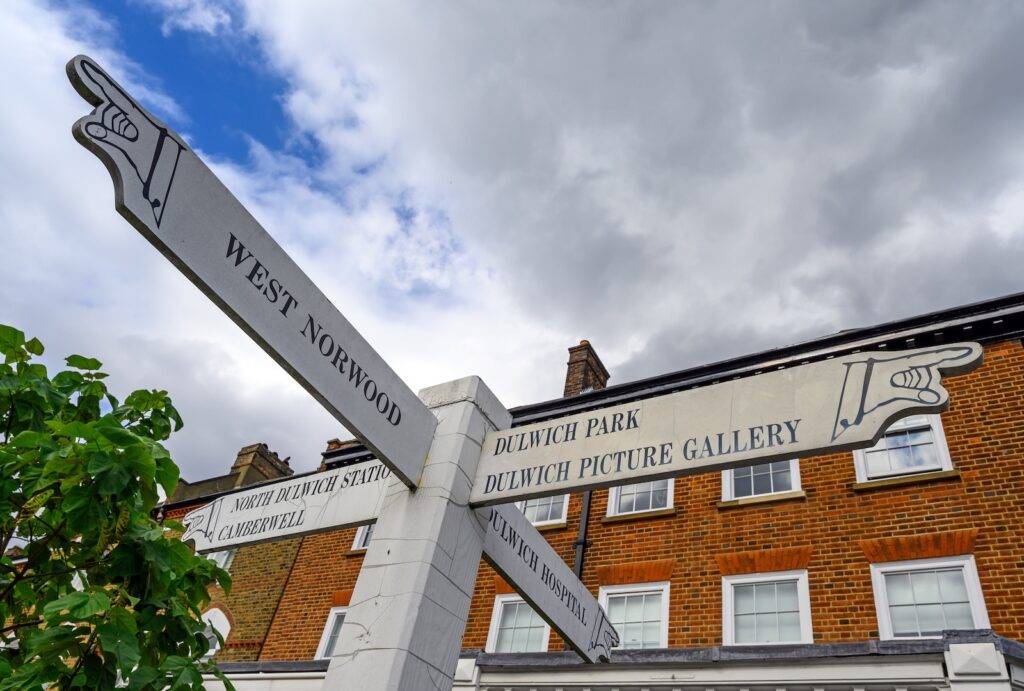
Dulwich is not trying to be cool. It is trying to be leafy, educated, handsome and quietly expensive. It succeeds. Dulwich Park, Dulwich Village, the Picture Gallery, strong schools and elegant houses make it one of south London’s most enduringly desirable areas.
Rightmove gives Dulwich an average sold price of £872,992. Flats account for many transactions, but family houses in the best parts sit far above the average.
What drives prices:
Schools, green space and village atmosphere. Dulwich is a family market first and foremost, with strong demand from buyers who want south London space but not the harder urban feel of some neighbouring areas.
Streets and pockets to know:
Prime addresses include Dulwich Village, College Road, Alleyn Road, Court Lane, Frank Dixon Way, Dulwich Common and roads close to Dulwich Park. East Dulwich, Herne Hill and Forest Hill borders can offer more accessible versions of the lifestyle, with better value and strong transport trade-offs.
What you get for the money:
Around £500,000 to £650,000 is usually flat territory. Around £900,000 to £1.3m can buy a terraced family house in surrounding areas, while prime Dulwich Village and larger detached or semi-detached homes can move well beyond £2m. Gardens, school proximity and park access all add weight.
Who is moving there:
Families with school-age children, professionals moving from Clapham or Battersea, south London loyalists, creative and academic households, and downsizers who want greenery without leaving London.
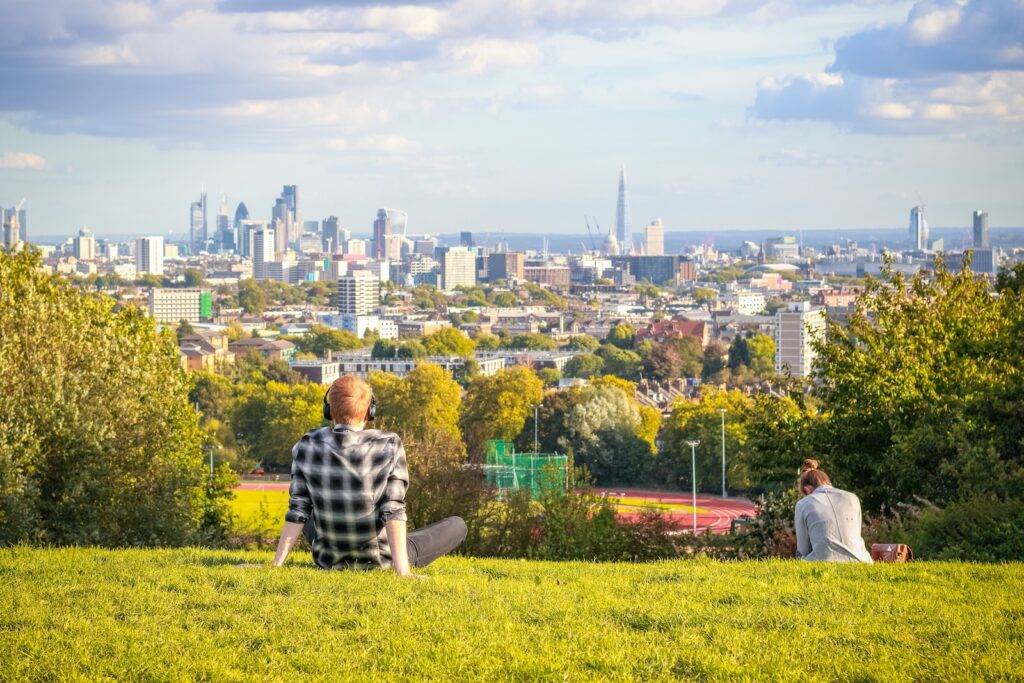
Hampstead remains one of London’s great property fantasies. It has Hampstead Heath, Parliament Hill views, Flask Walk, Keats House, old pubs, intellectual history, grand villas, discreet wealth and enough literary ghosts to make even a basement flat feel slightly important.
Rightmove puts Hampstead’s average sold price at £1,657,460, with flats averaging £1,105,403, terraced homes £2,408,556 and semi-detached houses £3,749,524.
What drives prices:
Rarity, mythology, architecture and the Heath. Hampstead is not simply expensive because it is north London and pretty. It is expensive because it offers one of the capital’s rarest combinations: village atmosphere, cultural history, grand housing, serious green space and central access.
Streets and pockets to know:
Top-end addresses include Winnington Road, Bishops Avenue, Frognal, Redington Road, Mount Vernon, Willoughby Road, Downshire Hill, Church Row and the best parts around the Heath. Winnington Road has repeatedly appeared in national expensive-street rankings, with reporting in 2026 again identifying it as one of the country’s highest-value addresses.
More family-friendly, relatively speaking, options can be found towards Belsize Park, South End Green, Gospel Oak borders, West Hampstead and parts of Golders Green or Hampstead Garden Suburb, depending on budget and commute.
What you get for the money:
Around £1m may buy a good flat, but not necessarily a house. Around £2m to £3m brings larger mansion flats, terraces or smaller houses depending on location. Above £4m, you are entering serious Hampstead family-house territory: gardens, wide plots, period detailing, Heath proximity and privacy.
Who is moving there:
High-net-worth families, writers, academics, media figures, finance buyers, international purchasers and downsizers who want London’s cultural prestige with greenery rather than glass towers.
If the search is for coastal value, Worthing is the most interesting of the Sussex set. It offers sea, space and improving culture without Brighton or Hove prices.
If the search is for architecture and atmosphere, Lewes, Arundel and Rye are stronger than most places in the South East. Lewes is the most practical, Arundel the most polished, Rye the most romantic.
If the search is for grown-up ease, Chichester is hard to beat. It has theatre, coast, countryside and Goodwood, without the pressure of being fashionable.
If the search is for London family life, Dulwich, Richmond and Chiswick remain obvious for a reason: schools, parks, transport and status. They are expensive, but they solve the problem of living in London without feeling entirely consumed by it.
If the search is for prestige, Hampstead still sits in its own category. It is not a value play. It is a life-stage, wealth-stage, mythology-stage purchase.
The smart buyer in 2026 is not chasing the next hot postcode. They are looking for somewhere with real infrastructure and emotional pull: a station, a park, a sea view, a theatre, a street market, a school, a proper pub, a landscape, a reason to leave the house.
Because the best places to live in Sussex and London are not defined only by what the property costs. They are defined by what the property allows you to do next.