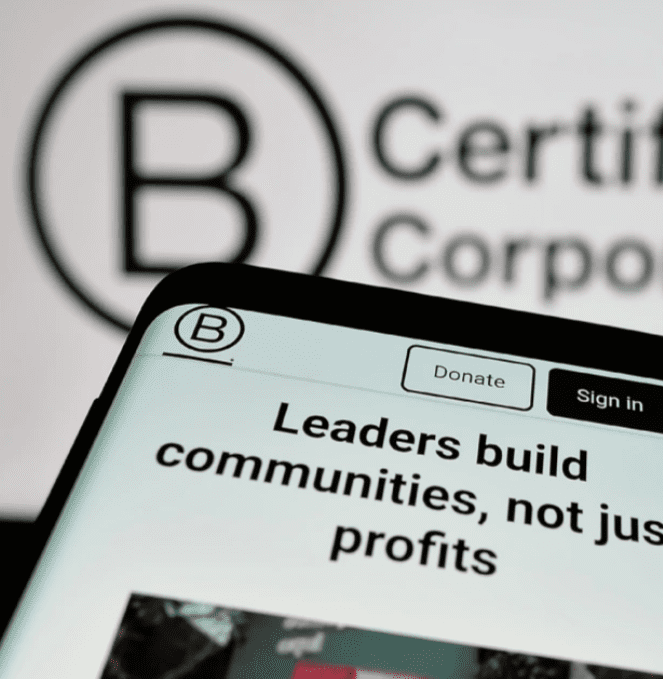
Have you noticed a small circular logo quietly popping up on your favourite brands, cafés and companies lately? Not shouting. Not flashing. Just there. You might have spotted it on your energy bill, your jeans, or the beer you are holding. That little “B” is doing more than looking good on packaging. It has become something of a gold star for how a business operates.
So what exactly is B Corp?
According to B Lab, the non profit organisation behind B Corp, its mission is to transform the global economy to benefit people, communities and the planet. Lofty, yes. But this is not another case of green buzzwords or vague good intentions. B Corp is backed by a robust international framework that asks businesses to genuinely walk the walk, not just talk about it in a glossy brand manifesto.
I will admit, I am officially B curious. I have attended a few B Local Sussex meet ups, met Demi and the team, and seen first hand how these conversations turn into real action. What struck me most was not just the ambition, but the honesty. Businesses openly discuss inequality, environmental responsibility and profit in the same breath. No side stepping. No pretending it is easy. Just people trying to do better, together.
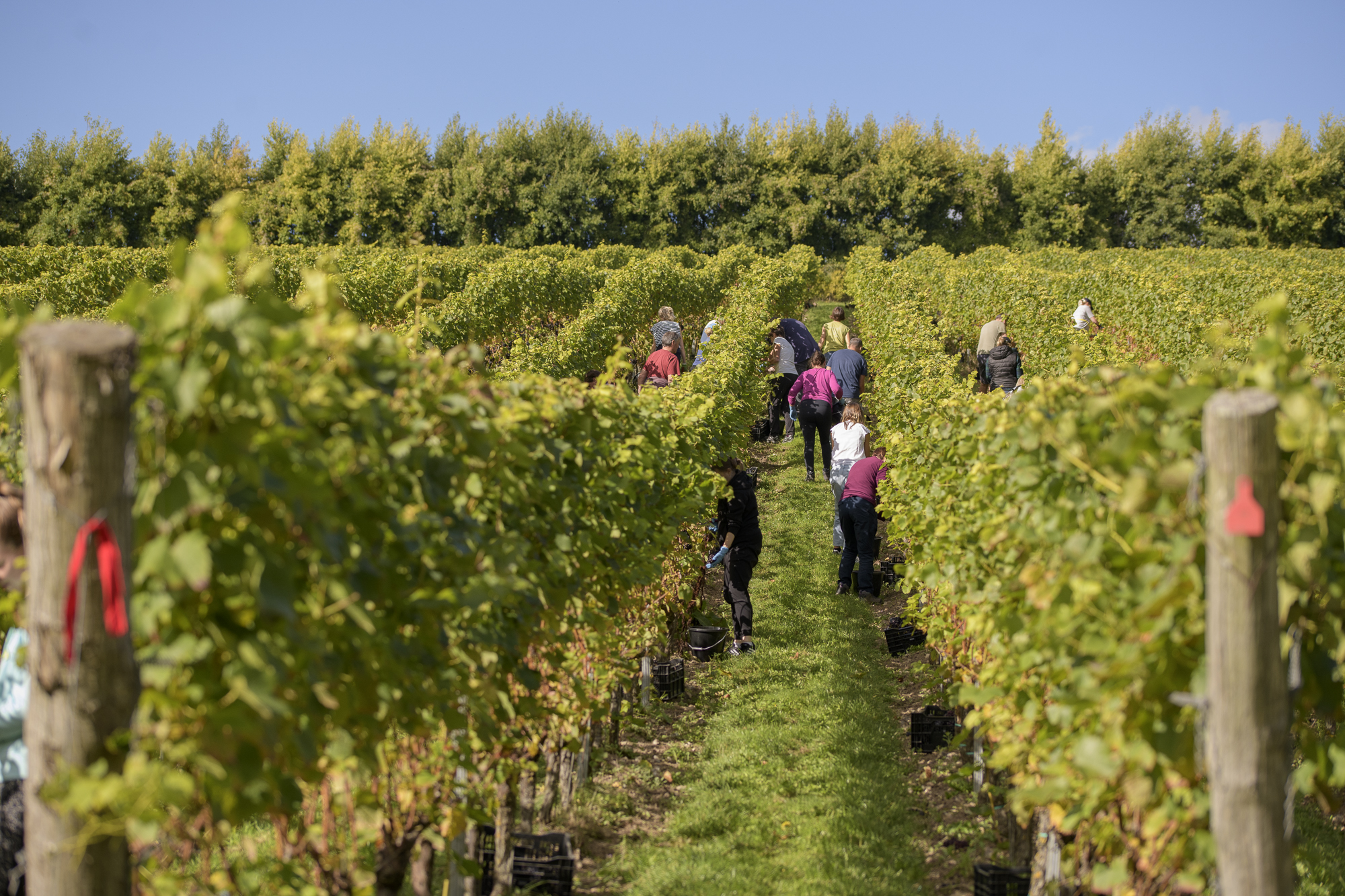
The diversity of businesses involved is impressive. There are now over 2,700 B Corp certified companies in the UK, employing more than 150,000 people and generating around £30 billion in turnover. London alone is home to over 1,000 B Corps, making it the city with the highest concentration in the world. Closer to home, Sussex, including Brighton, has at least 80 certified businesses. From household names like Octopus Energy, giffgaff and Guardian Media, to fashion favourites Lucy and Yak and Wolf and Badger, drinks brands such as Sipsmith and Ridgeview Wine Estate, and even deodorant brands like Fussy, this is clearly not a niche club.
So how does it actually work?
At its core, B Corp certification has always been about action over words, focusing on what a business actually does rather than what it claims to stand for. Until recently, companies were assessed through a detailed impact assessment covering governance, workers, community, environment and customers. To qualify, businesses needed to score at least 80 points. For context, most small and medium sized companies typically scored closer to 50, which gives a good sense of how demanding the process already was. Evidence mattered, from fair pay policies and environmental data to governance structures that ensured accountability.
But B Corp has not stood still. Over the past five years, a new certification framework has been carefully developed and relaunched this year with significantly higher standards. The focus has shifted away from a points system and towards mandatory action in key areas including Purpose, Fair Work, Justice, Equity, Diversity and Inclusion, Human Rights and Climate Action. There are now stronger legal requirements around stakeholder governance, clearer rules on which industries are eligible, and more robust ways of measuring real impact. The aim is greater transparency, deeper accountability and closer alignment with emerging regulations across Europe.
Perhaps most interestingly, B Corp shifts power back into the hands of consumers. That visible logo makes it easier to recognise businesses that are actively trying to do better and to choose them over those that are not. And yes, it does seem to work commercially too. Recent data shows that between 2024 and 2025, UK B Corp small and medium sized businesses saw around 20 percent turnover growth, compared with just 3 percent across the wider UK SME population. It turns out that doing good business can also mean doing good business.
Five things worth knowing — new openings, exhibitions, fashion drops, music releases and travel finds across Brighton, London and the South East. Sent every Saturday.
Just your email — that's all we need.
No spam. Unsubscribe in one click.
We use cookies to make the site work, understand how people read SALT, and support our independent publishing through advertising and relevant content. You can accept all cookies, reject non-essential cookies, or choose your preferences. You can change your choice at any time.