
There was a time when the dream home was easy to describe.
More space. More rooms. A bigger kitchen. A spare bedroom. Somewhere to work, somewhere to sleep, somewhere to quietly close the door on the rest of the day.
Now, it feels a little more complicated.
Across the South East, from coastal flats and Victorian terraces to suburban semis, converted warehouses and new-build apartments, the way we think about home is shifting. Not always dramatically. Not always visibly from the street. But inside, in the rooms we move through every day, a quieter rethink is taking place.
South East home renovation is no longer just about adding value or chasing a polished finish. Increasingly, it is about making homes work better for real life. They need to be places of work and rest, privacy and connection, calm and practicality. They need to cost less to run, adapt to changing routines, and feel good to live in, not just good to look at.
Part of this is practical. Energy prices, hybrid working, housing pressure and the rising cost of moving have all changed the conversation. But part of it is emotional too. After years of adapting, rearranging and making do, people are becoming more intentional about where they live and how those spaces support them.
For some, that means renovating rather than relocating. For others, it means making a rented space feel more personal, investing in better lighting, rethinking storage, or creating a small corner that brings some order to the day. Across Sussex, Kent, Surrey and London, the idea of home is becoming less about size alone and more about quality of life.
One of the biggest shifts is the growing interest in retrofit. Once a word mostly used by architects, planners and sustainability specialists, retrofit has entered the mainstream. At its simplest, it means improving an existing home rather than replacing it: better insulation, improved glazing, heat pumps, solar panels, draught-proofing and smarter ventilation.

It is not always glamorous work. It rarely has the instant visual appeal of a new kitchen or a freshly painted room. But it speaks to something deeper: the desire to make homes more comfortable, resilient and future-facing.
For anyone considering South East home renovation in 2026, retrofit is becoming one of the most meaningful places to start. A home that holds heat better, feels calmer and uses energy more efficiently may not always photograph like a dramatic makeover, but it can change everyday life in lasting ways.
That same thinking is now moving into the materials we choose for interiors. Across the South East, designers, hospitality businesses and homeowners are looking more closely at surfaces that are not only durable and beautiful, but part of a more circular way of making.
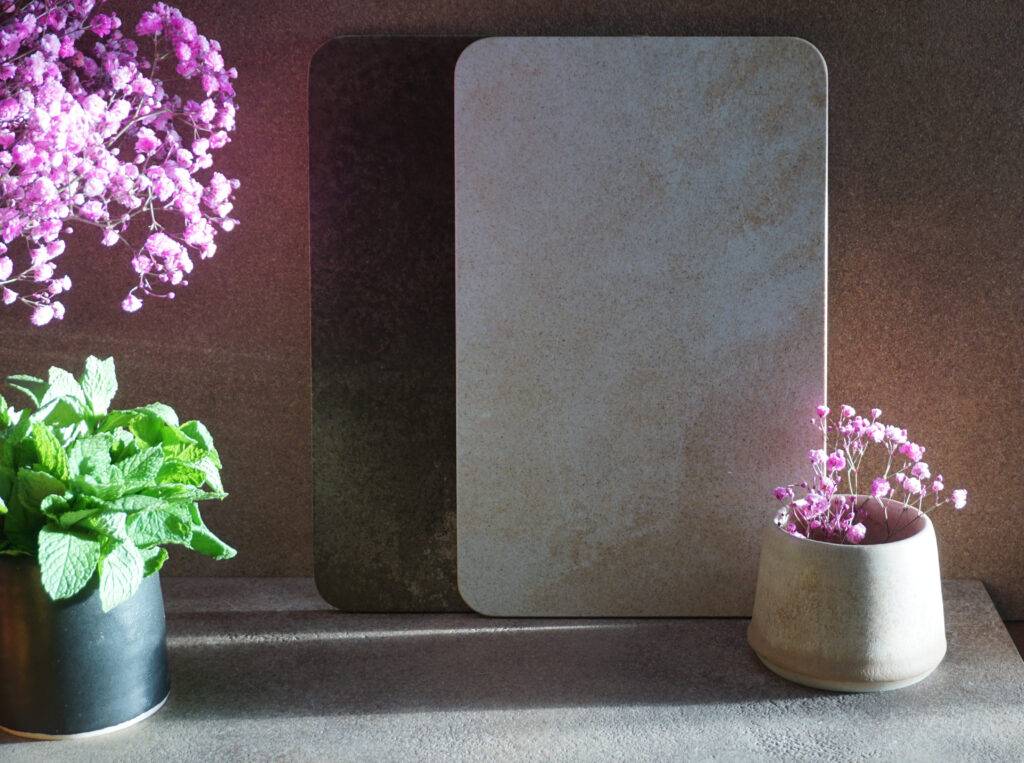
Brighton-based KAVA Surfaces is a strong example of this shift. The start-up creates eco-friendly interior surfaces from recycled coffee grounds and organic waste, with materials suitable for homes, hospitality spaces, worktops, wall panels, splashbacks, furniture, cabinetry and tabletops. Their surfaces are handmade in the UK using at least 70% recycled material, with finishes created from by-products such as fruit stones, ground metals, powdered marble, charcoal dust and natural pigments.
KAVA will also be part of Sustainable Spaces at Tate Modern on Wednesday 3 June, a free launch event for Sustainable Spaces: The Built Environment Playbook for Next-Generation Hospitality. Hosted with The Sustainable Restaurant Association and Reassemble, the event focuses on circular fit-outs for hospitality, followed by a supplier showcase featuring KAVA Surfaces and Smile Materials.
It is a reminder that South East home renovation is not just about how a space looks once it is finished. Increasingly, it is about what those spaces are made from, where materials come from, and how design can reduce waste without losing warmth, texture or character.
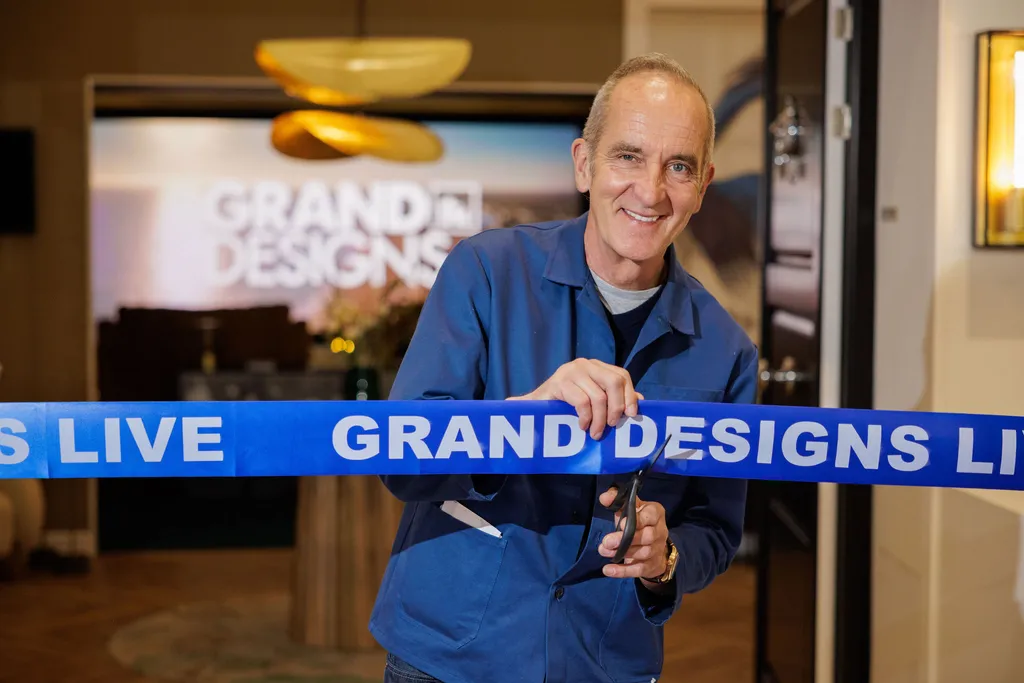
This practical thinking also feeds into the wider design calendar. Grand Designs Live returns to ExCeL London from 1–4 May 2026, offering inspiration, products, expert advice and one-to-one consultations for people at different stages of a home project. It is useful not just because it presents the dream version of renovation, but because it brings together the decisions behind it: materials, technology, layout, energy and budget.
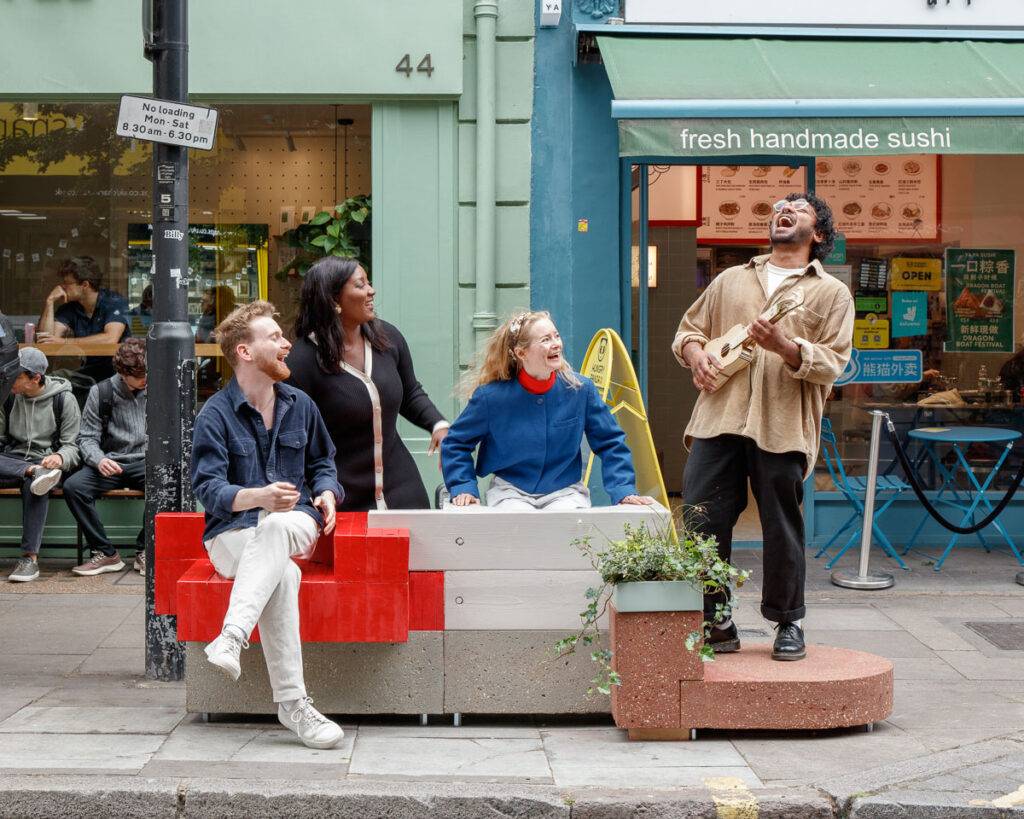
Later in May, Clerkenwell Design Week returns from 19–21 May 2026, bringing together hundreds of brands, exhibition venues, showrooms, events, installations and design conversations across one of London’s most important creative districts. While it sits firmly in the capital, its influence reaches much further, shaping the interiors, furniture, lighting and materials that eventually filter into homes across the wider region.
For readers interested in South East home renovation, these events offer more than product inspiration. They show how design decisions, from lighting and materials to furniture and layout, can shape the atmosphere of a home.
And then there is the more personal side of design: the homes, studios and creative spaces that feel lived-in, expressive and full of character. Brighton’s Artists Open Houses runs across weekends in May 2026, opening private homes, studios and workshops to the public.
A lovely example is Pepper Pot Pottery at 49 George Street, number two on the Kemptown trail. The shared studio space is dedicated to craft and artistic exploration, and this year marks its biggest Open House to date, welcoming ten artists across ceramics, jewellery and paper-based work.
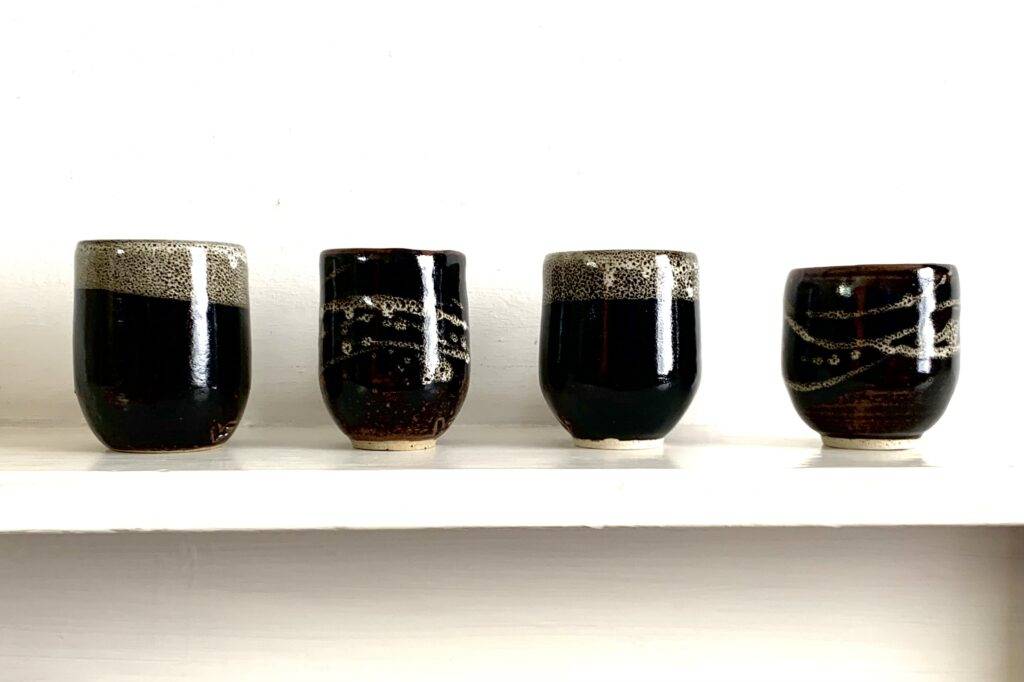
Among them is ceramicist Vicki Felstead, who has been creating tactile, functional ceramics since 2021. Working from the Star Community Pottery in Lewes under the guidance of master potter Mohamed Hamid, Vicki creates dishwasher-proof, hand-thrown stoneware pieces fired with dark tenmoku and white glazes. Her recent limited spring range introduces a softer duck egg blue glaze finished with an iron oxide rim.
Her work sits alongside pieces by makers including Mim Knollys, Georgia Hodierne, Sarah Uncles, Ruth Knight, Bex Scrivins, Kristina Engqvist, Christina Walker and Rose Ledbury. The studio is open from 10am to 5pm during the May festival dates, with card payments, refreshments, disabled access and workshops or demonstrations available.
It is not a property event in the traditional sense, but it might be one of the best reminders of what makes a home or studio interesting: personality, creativity and the confidence to let a space reflect the people inside it.
The most interesting spaces rarely feel copied from a catalogue. They carry evidence of a life. Books, art, inherited furniture, objects collected over time, a colour choice that should not work but somehow does. A room does not need to be perfect to have atmosphere. In fact, perfection is often where warmth disappears.
That may be why the current property conversation feels different. People are still interested in value, of course. They are still watching the market, still thinking about mortgages, rent, location and long-term security. But alongside that, there is a growing appetite for homes that feel more human.
Homes with flexibility. Homes with lower running costs. Homes that make space for creativity, quiet, family, work, pets, plants, hobbies, cooking, hosting or doing absolutely nothing for a while.
This is where South East home renovation becomes more than a practical project. It becomes a chance to shape a home around the way life actually happens.
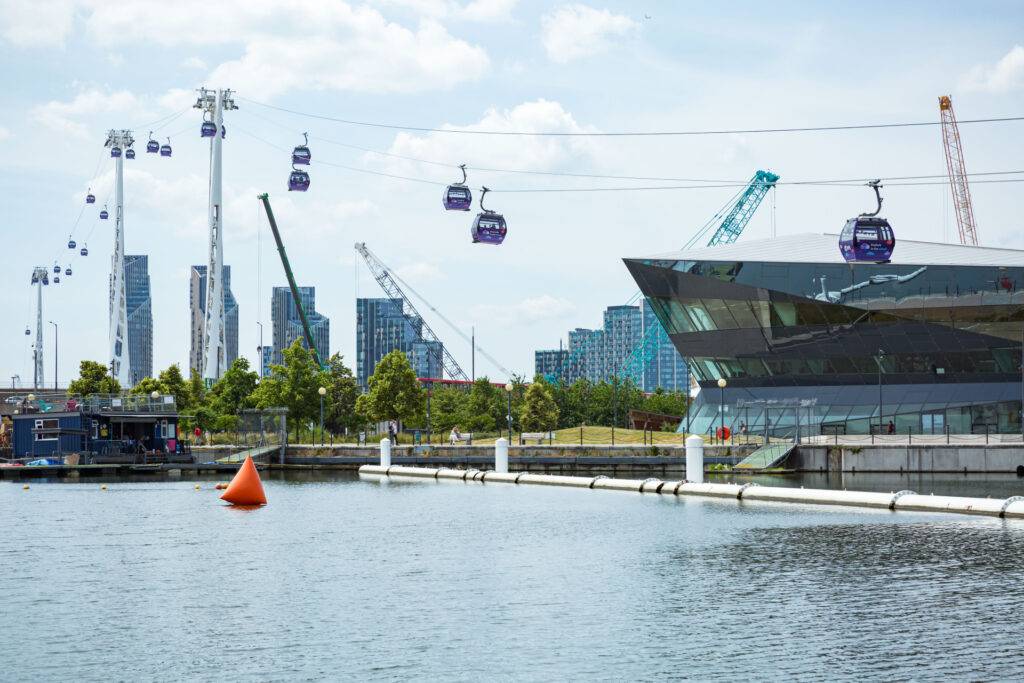
In June, the London Festival of Architecture returns from 1–30 June 2026 with the theme of “Belonging”. Though rooted in the capital, the theme reaches beyond architecture itself, asking how places become personal and how buildings shape identity, community and everyday life.
That question feels just as relevant in a seaside flat, a converted barn, a commuter-belt terrace or a shared rental. What makes us feel that we belong somewhere? Is it ownership? Memory? Design? Community? The walk to the station? The view from the kitchen window? The café on the corner where they remember your order?
Perhaps it is all of these things.
The future of property in the South East may not be about chasing one perfect version of home. It may be about making better use of what already exists. Improving rather than endlessly replacing. Designing with care rather than excess. Choosing materials, layouts and objects that make daily life feel easier, calmer and more connected.
Because a home is never just a backdrop.
At its best, it is a living thing. Shaped by light, memory, routine and care. And in 2026, that might be the most valuable space of all.
For more culture, design and lifestyle features from across the region, explore SALT’s latest stories on Lifestyle