Cars have always been about more than getting from one place to another.
At their best, they carry memory. First drives. Long weekends. The smell of leather and petrol. The sound of an engine arriving before the car itself. A parent’s old hatchback. A dream car glimpsed briefly on the seafront. A classic machine parked outside a pub, drawing small groups of strangers into instant conversation.
Across Brighton, London and the wider region, South East car events continue to tap into that feeling. The modern car world is full of contradictions. We are talking more seriously than ever about cleaner transport, low-emission zones, electric vehicles and the future of city mobility. At the same time, the emotional pull of motoring heritage feels as strong as ever.
Classic cars, restored icons, supercars, design-led EVs and rare collectors’ models all sit within the same wider culture: one that is as much about engineering, nostalgia and style as it is about speed.
Few regions understand that mix better than the South East.
In London, the car is often seen through the lens of design and rarity. London Concours returns from 9–11 June 2026, bringing rare cars, curated concours classes, luxury brands, talks, hospitality and a relaxed garden-party atmosphere into the heart of the city.
There is something almost theatrical about seeing cars like these in London. Away from racetracks and open roads, their sculptural qualities come forward. Curves, grilles, interiors, badges, proportions. They become objects of design as much as machines of movement.
As South East car events go, London Concours is one of the most style-conscious: less about noise and speed, more about beauty, provenance and the pleasure of looking closely.

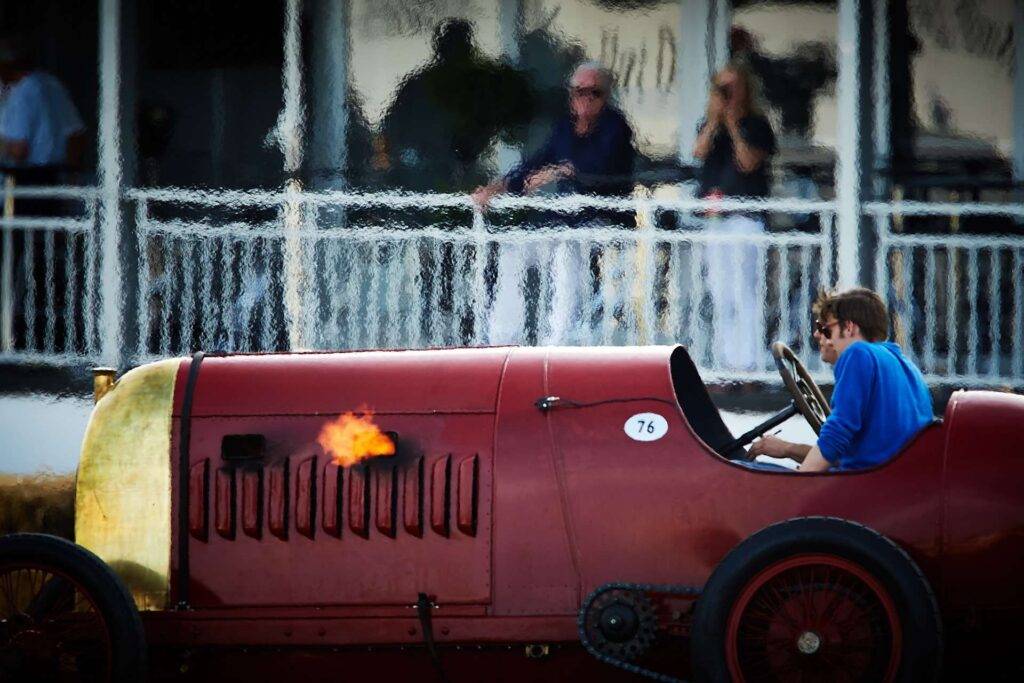
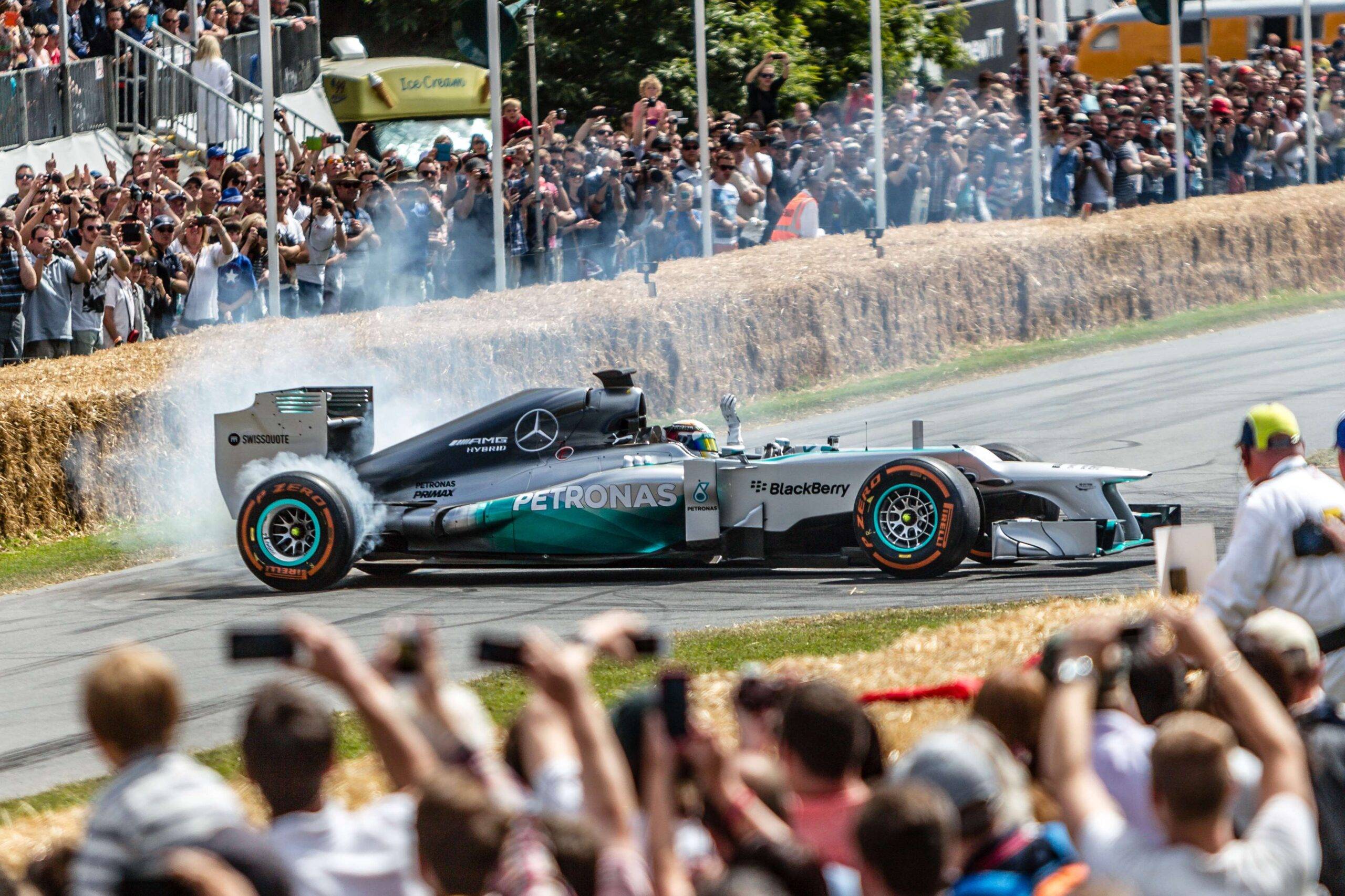
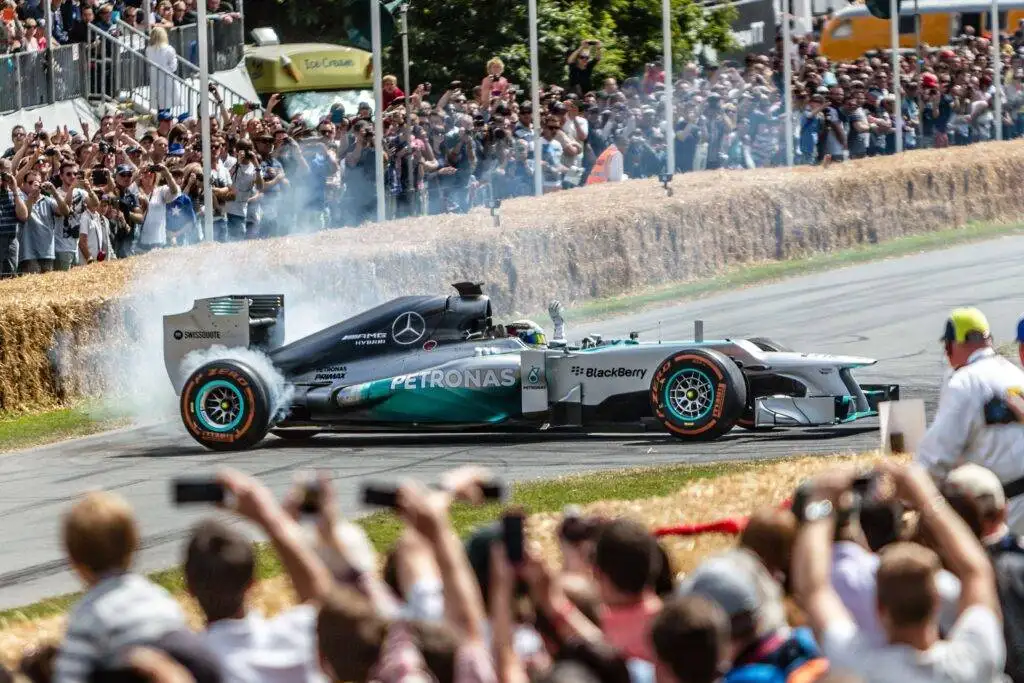
Further south, Goodwood Festival of Speed continues to define the region’s motoring calendar. Returning from 9–12 July 2026, the event is described by Goodwood as motorsport’s “ultimate summer garden party”, set in the parkland surrounding Goodwood House.
For Brighton and Hove, Goodwood’s proximity matters. It places one of the world’s most recognisable motoring events within easy reach, making the city part of a wider automotive corridor that stretches from London show lawns to Sussex estates, coastal roads and countryside routes.
That geography is part of the appeal. The South East offers a rare combination: dense urban streets, sweeping A-roads, historic towns, coastal drives and quick escapes into open countryside. It is a place where motoring culture can move between city polish and weekend freedom.
The wider 2026 motoring calendar adds to that momentum. Silverstone’s Formula 1 British Grand Prix takes place from 2–5 July 2026, with Formula 1 listing race day as Sunday 5 July.
Silverstone may sit slightly beyond the South East’s cultural centre of gravity, but for many readers across London, Sussex, Surrey and Kent, it remains one of the biggest accessible motorsport weekends of the year. It is less a casual day out than a full-scale national event, where racing, music, camping, hospitality and spectacle collide.
For anyone looking at South East car events and major motoring weekends within reach, the British Grand Prix still deserves a place in the conversation.
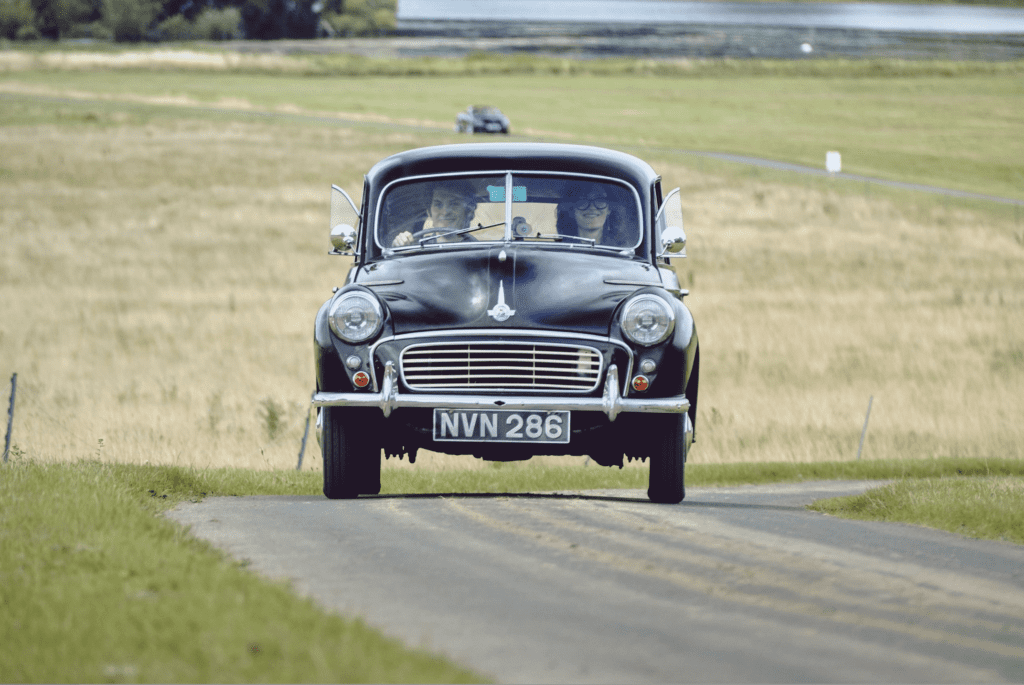
Not every great car event is about supercars, champagne lawns or Formula 1 speed. Hagerty’s Festival of the Unexceptional returns on 25 July 2026 at Grimsthorpe Castle, celebrating the everyday cars that once filled UK roads and driveways.
That is exactly its charm. The Festival of the Unexceptional is a celebration of the ordinary car made extraordinary by time, care and nostalgia. These are the cars people grew up with. The cars that sat outside grandparents’ houses, took families to campsites, appeared in supermarket car parks and quietly disappeared from the roads before anyone thought to miss them.
In a calendar full of rare metal and high-performance machines, this event offers something warmer and more democratic: proof that car culture is not only about aspiration. Sometimes, it is about recognition.
The most interesting thing about car culture now is that it is no longer only about horsepower. Increasingly, it is about curation.
What people choose to keep, restore, modify, electrify or admire says something about taste. A beautifully maintained old Mercedes estate, a tiny Japanese kei car, a vintage Mini, a Porsche 911, an early Tesla, a Defender, a Fiat Panda 4×4 — each carries its own story.
This is where cars overlap with fashion, architecture and interiors. They are physical expressions of an era. The materials, colours, technology and silhouettes all reveal what people once imagined the future might look like.
That may explain why classic and specialist car events continue to draw such broad audiences. You do not need to know every engine code or chassis number to enjoy them. You can simply appreciate the theatre: the polished bodywork, the improbable shapes, the sound, the atmosphere, the sense that someone cared enough to preserve a thing properly.
For SALT readers, the appeal sits somewhere between day out, design study and cultural ritual.
A good car event is not only for obsessives. It can be a reason to dress well, take friends, enjoy the setting, talk to strangers and spend a day surrounded by objects built with intention.
That word matters: intention.
The best South East car events understand atmosphere as much as engineering. Goodwood has its parkland setting and hillclimb drama. London Concours has its city garden-party elegance. Festival of the Unexceptional has humour, nostalgia and affection. Silverstone has scale, sound and national sporting energy.
Together, they show how broad modern motoring culture has become.
While the future of motoring will inevitably change, the emotional connection is unlikely to disappear.
Cars may become quieter, cleaner and more digital. Cities may continue to rethink how roads are used. Ownership may shift. But the fascination with movement, design and mechanical beauty will remain.
Perhaps the best version of car culture now is one that can hold two truths at once: that transport must become more sustainable, and that the great cars of the past still deserve to be understood, preserved and enjoyed.
In Brighton, London and the South East, that balance feels especially visible. A region looking ahead, but with one hand resting fondly on the bonnet of something beautifully made.
For more days out, culture and lifestyle inspiration across the South East, visit SALT’s culture section.