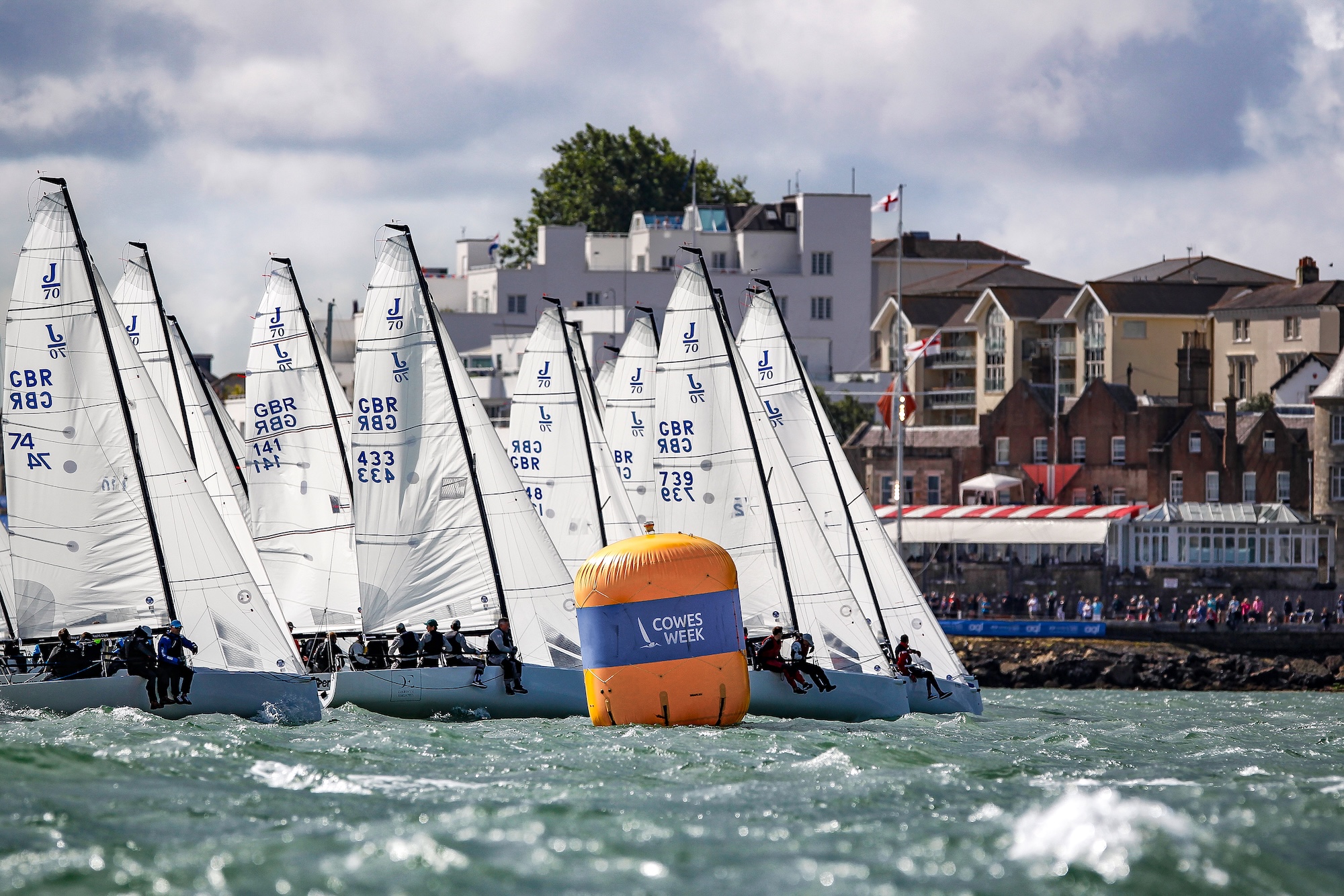
Unless you live on the Isle of Wight or are a huge sailing fan, your knowledge of Cowes Week may only stretch to ‘something to do with yachts’. Plenty of people across the South of England know the event’s name without ever having been, but there is much more to Cowes Week than deck shoes and colourful sails. This year is particularly special because 2026 marks the regatta’s 200th anniversary. This bicentenary is shaping up to be one of the South Coast’s most distinctive events of the year – a summery mix of boat races, waterside G&Ts, and celebrity spotting, all in recognition of a town that has spent two centuries at the heart of British sailing.
For those unfamiliar with this annual regatta, Cowes Week takes place in its namesake town, a historic sailing settlement on the northern tip of the Isle of Wight that sits directly across the Solent from Southampton. A day trip from London is easy enough by fast train and ferry with the short crossing landing you right in the heart of the action. But once you arrive, you may not want to rush back to the mainland too quickly, because Cowes turns into a theatre backdrop with activity in every direction – racing on the water by day, bustling quayside dining by night, independent shops to browse, and more than enough to fill a summer day or two.
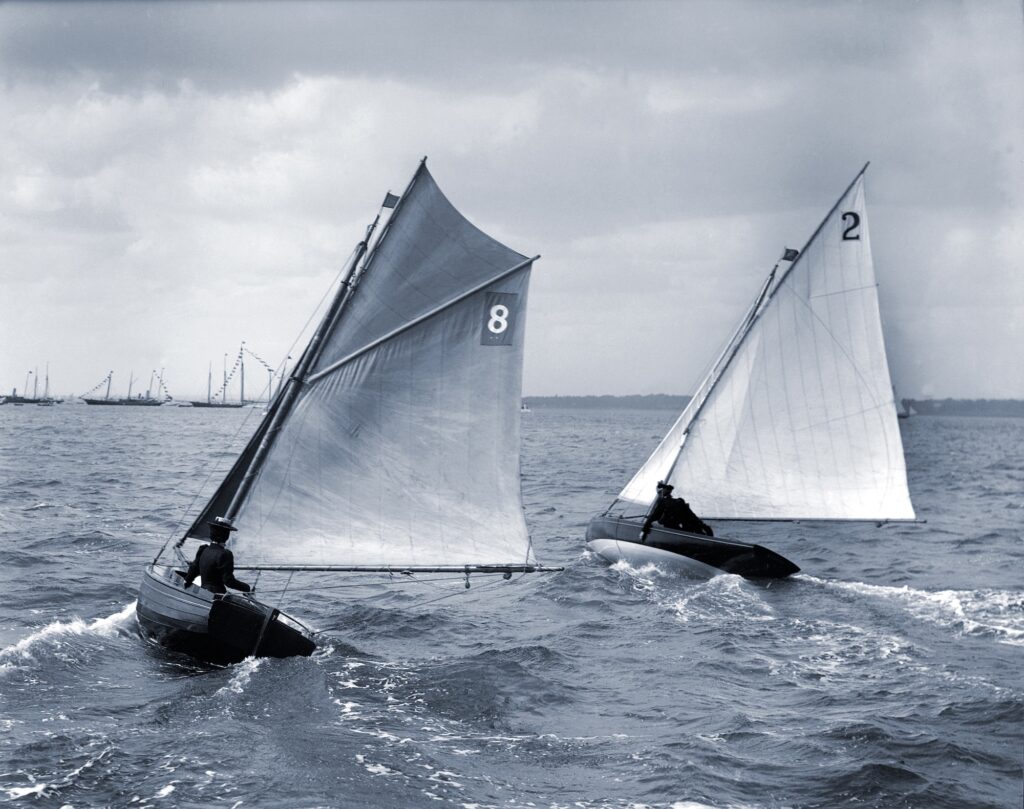
This year’s spectacle runs from 1 to 7 August and carries a little more weight than usual. Cowes Week was first held in 1826, when a small fleet raced for a Gold Cup under the flag of what was then the Royal Yacht Club, later becoming the Royal Yacht Squadron. Two hundred years on, it remains one of Britain’s oldest regular sporting events and one of the world’s best-known sailing regattas. In the 2026 programme, organisers have planned a week that recognises this long history.
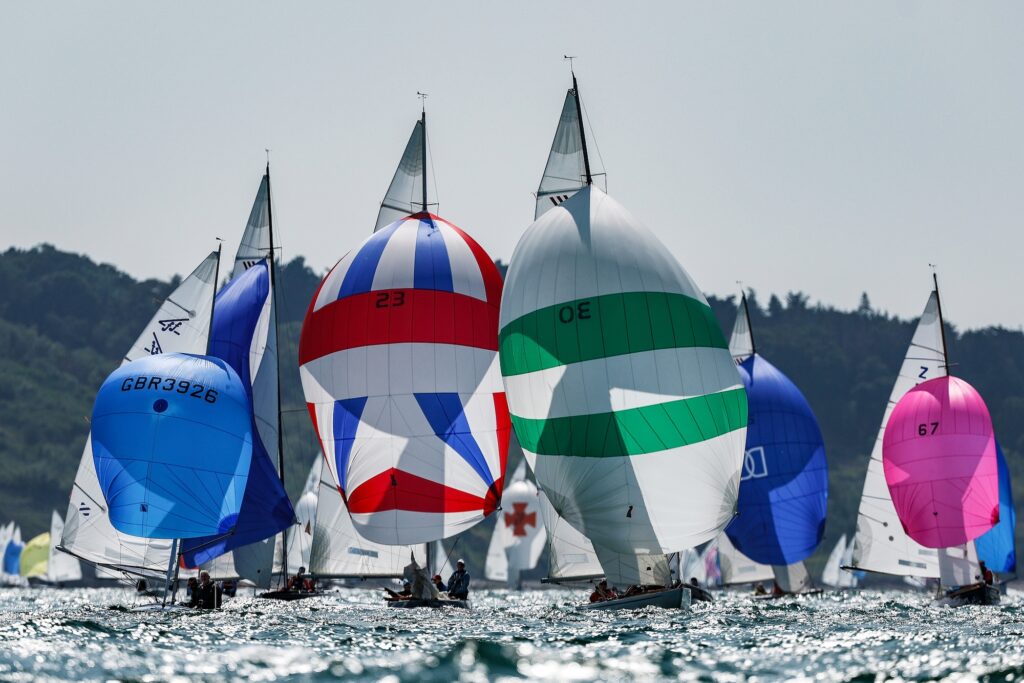
At the centre of the anniversary celebrations is the Bicentenary Gold Cup, created in tribute to the original 1826 race. There will also be a Parade of Sail designed to turn the Solent into a spectacle of colour, and for those who would like to get up close to the action, spectator boats will be running to watch from the water. Celebrations will close on Friday 7 August with the regatta’s fireworks display, so for anyone who likes their summer days with a bit of spectacle, Cowes Week has plainly decided not to do this birthday quietly.
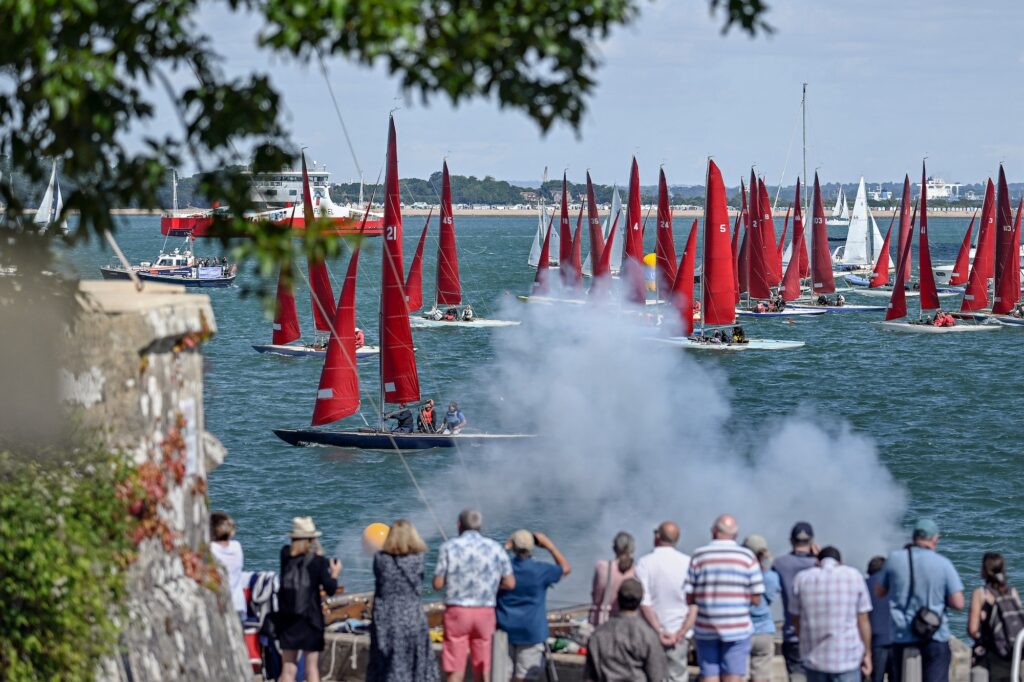
That sense of occasion has always been part of the regatta’s appeal. Cowes Week has royal roots and a long history of attracting sailing figures, high-profile guests and spectators who are there as much for the atmosphere as the racing. But to think of it purely as a social event is to miss what makes it iconic. The racing is serious, and the stretch of water on which it takes place is challenging. The Solent is one of the most distinctive and demanding racecourses in British sailing, with strong tides, shifting winds and the constant complication of commercial and leisure traffic moving through the same waters. This challenge brings the drama, and is the reason Cowes became Cowes.
That sporting significance is a large part of why the regatta garners such high international respect. Cowes Week typically attracts between 500 and 600 keelboats, from classic wooden yachts to high-tech racing boats, and entries for the 2026 event are open across more than 37 classes. It is a regatta that brings together seasoned professionals, club racers, owners, crew and first-time competitors, all racing on the same stretch of water. In sailing terms, Cowes remains a name with real weight, and Cowes Week continues to place the Solent, the Isle of Wight and the wider South Coast firmly on the international yachting map.
If you are not a sailor, however, the more pressing question is not what Cowes Week means to the sport, but whether it is worth going. The answer is yes, particularly in this bicentenary year. Cowes Week is an insider’s yachting event, but it is also one of the South’s more unusual summer weekends away. It has the same festive sporting atmosphere as Goodwood or Henley, but the setting is where the appeal really lives. The town is a working sailing centre with deep maritime roots, and during regatta week it becomes part of the attraction. You don’t need to know anyone with a boat to enjoy the atmosphere, and you certainly do not need to know your bow from your stern. In fact, much of the pleasure lies in simply being there: watching the fleets spread out across the water, wandering the town between races, and absorbing the particular blend of sporting intensity and holiday energy that Cowes does so well.
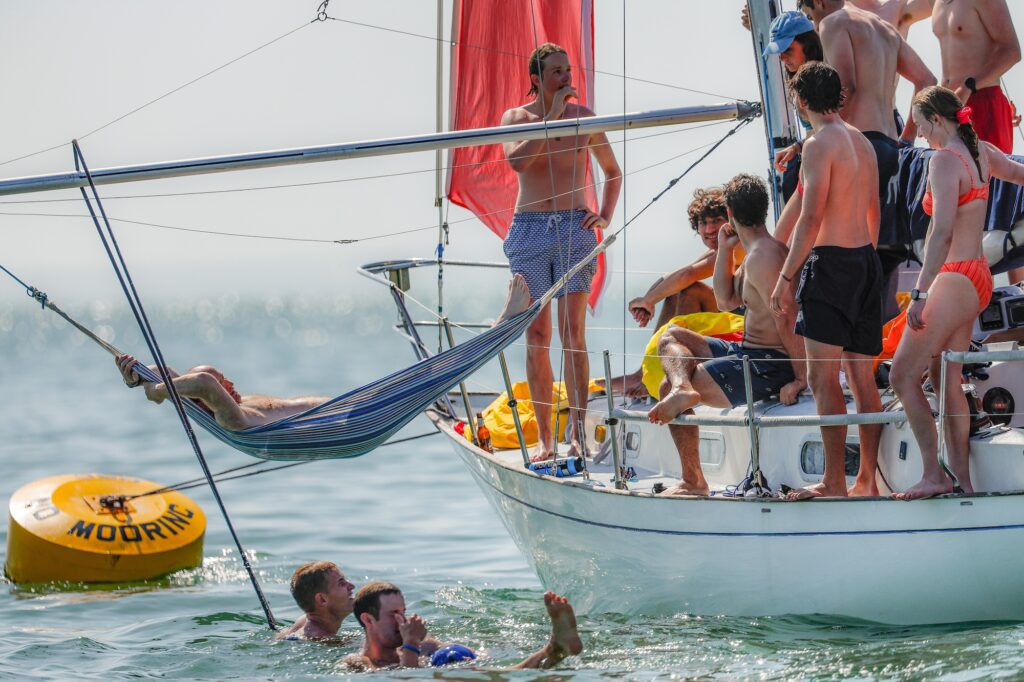
You can feel the nautical character in the layout of the town itself. Cowes rises up from the water in a tangle of narrow streets, marinas, art galleries and old houses, all with views across the Solent to the Hampshire coast. During Cowes Week, the waterfront becomes a rolling grandstand. Spectators gather along the Parade, crews come ashore between races, and restaurants and bars fill up as the afternoon slides into evening. Northwood House, the large house and gardens just inland from the seafront, hosts much of the official shoreside entertainment during the regatta, giving the week a social centre away from the marinas and yacht clubs. Its Lawn Bar opens each day and offers a place to sit, look out across the Solent and take in live music.

Cowes Week runs from 1st – 7th August. More info www.cowesweek.co.uk