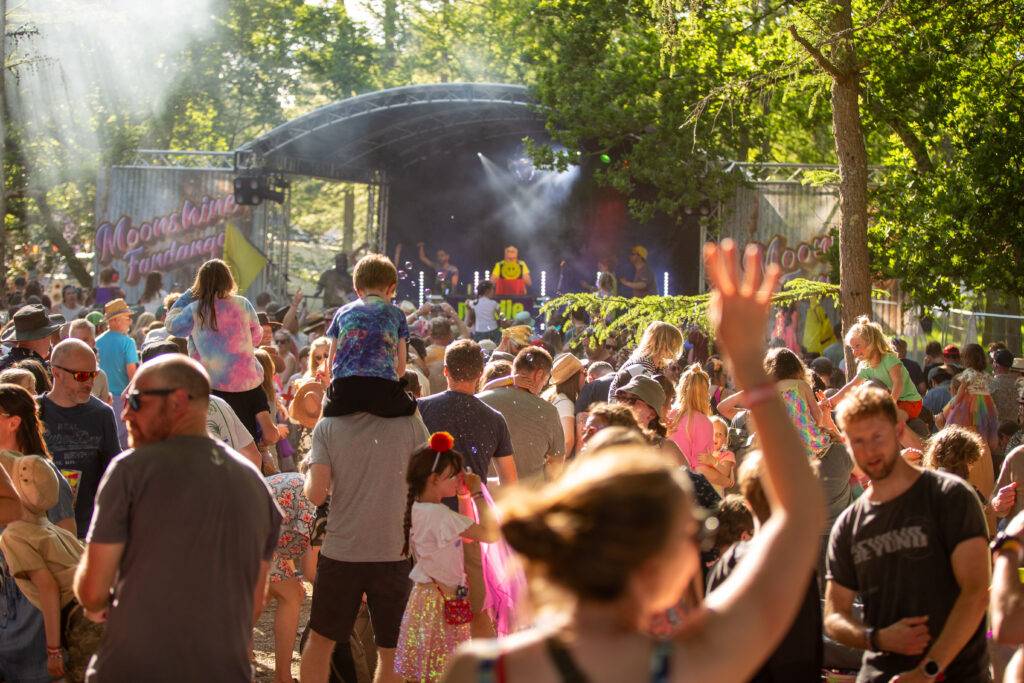
Glastonbury Alternatives
The Worthy Farm gates are closed to revellers this summer, as Glastonbury take a well-deserved

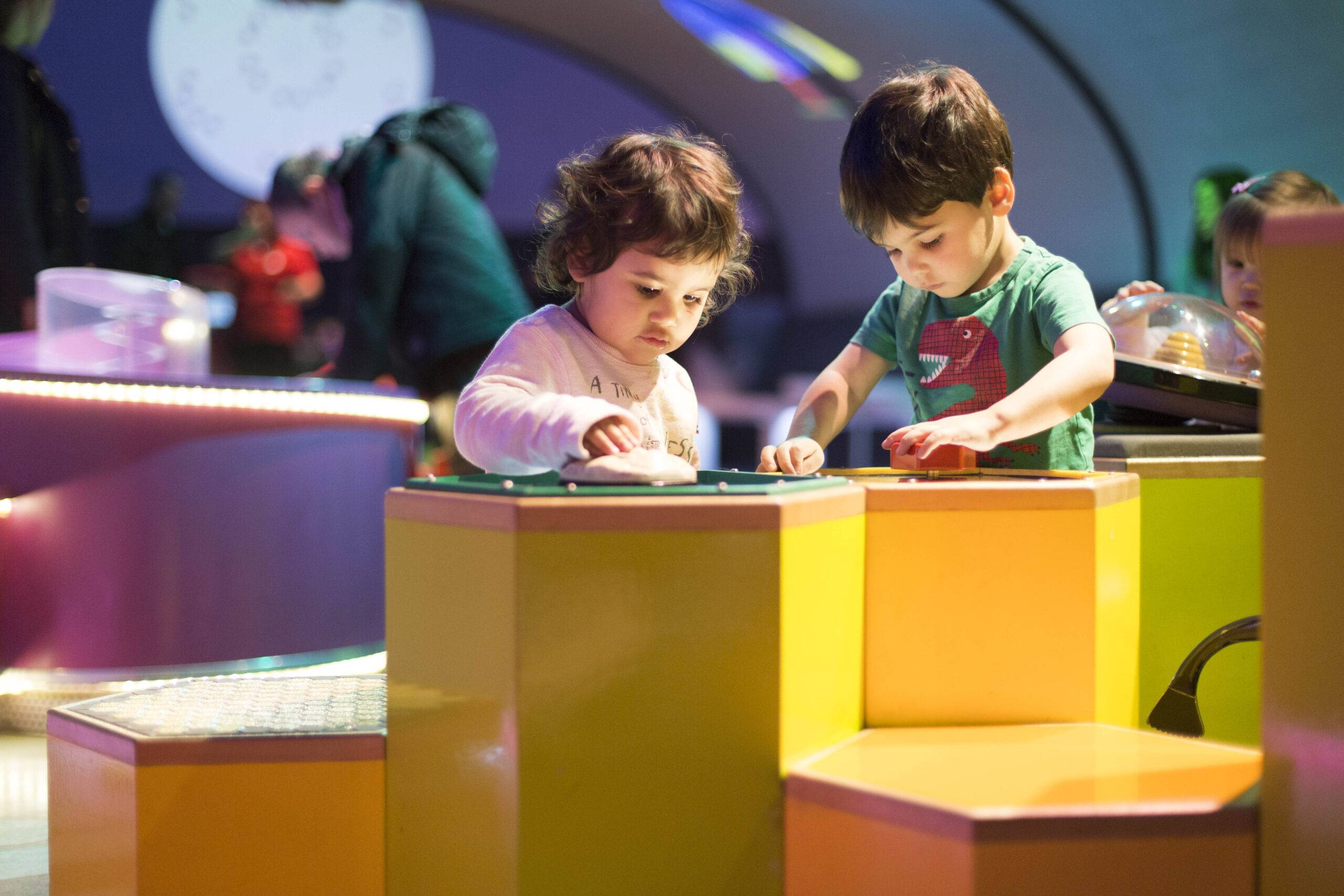
Half-term is looming. We need plans that work.
London and the South East hold 170+ museums, and most of them are free. The variety spans everything from supersonic aircraft to Victorian taxidermy, from medieval dog collars to stop-motion animation magic.
The February half-term predictably brings crowds, but weekdays stay quieter than weekends. Schools run sessions through late April to early June, which means crowds drop 40-50% compared to summer holidays. You get space to breathe, shorter queues, and children who can actually see the exhibits.
Museums have evolved over the last 20 years. The stuffy, hands-off displays of the past have transformed into inspirational and interactive spaces with engaging exhibits, from retro cars to animatronics. Your children touch, build, explore, and learn without realising they’re learning.
Here are ten museums that deliver genuine experiences. Each offers something different. Each earns its place on your half-term list.
Cambridge Heath Road, London E2 9PA
www.vam.ac.uk/young
Nearest station: Bethnal Green (Central line)
The Young V&A understands children. This museum doesn’t just tolerate young visitors. it designs for them.
The star attraction, running until November 2026, is Inside Aardman: Wallace & Gromit and Friends. Your family steps into the whimsical world of stop-motion magic, seeing how animators bring plasticine characters to life frame by painstaking frame. The exhibition reveals the craft behind Cracking Toast, The Wrong Trousers, and decades of British animation excellence.
Beyond Wallace and Gromit, the museum houses three galleries exploring childhood, imagination, and design. Children build, create, and experiment. The Play gallery invites toddlers to explore through sensory experiences. The Imagine gallery sparks creativity in primary-aged children. The Design gallery challenges older children to think about how objects shape our world.
The museum respects children’s intelligence whilst matching their energy levels. You won’t spend your visit saying “don’t touch.” Here, touching is the point.
The building itself, a Victorian purpose-built museum, creates an atmosphere that feels both grand and welcoming. High ceilings and natural light make the space feel open rather than overwhelming.
Plan for two to three hours. Bring snacks or visit the café. The museum provides changing facilities and accessible toilets. Weekend mornings fill quickly, so weekday visits offer more space and calmer exploration.
Brooklands Road, Weybridge, Surrey KT13 0QN
www.brooklandsmuseum.com
Nearest station: Weybridge (South Western Railway)
Brooklands holds a unique place in British engineering history. This 32-acre site was home to the world’s first purpose-built motor racing circuit, opened in 1907. The banked track still stands, a concrete monument to the birth of motorsport.
The museum celebrates two obsessions: speed on the ground and speed in the air.
You can board Concorde. , walking through the iconic passenger jet that once flew from London to New York in under three hours. The aircraft sits where it was built, adding weight to the experience. Tours run regularly, taking you into the cockpit where pilots controlled the most complex passenger aircraft ever built.
Their Aircraft Factory wins awards for good reason. Children build metal planes using real tools and techniques. They don’t just watch, they rivet, shape, and construct. The activity teaches engineering principles through hands-on work that feels like play.
Simulators let older children experience flight and racing. Bus rides around the historic circuit show the scale of the banking. The Motoring Village displays racing cars, motorcycles, and the vehicles that broke speed records on this very track.
Budget three to four hours. The site sprawls, and children want to explore every corner. The museum provides indoor and outdoor spaces, so weather matters less than at some attractions. The café serves proper meals, not just snacks.
Weekday visits during term time offer the best experience. You get more time with staff, shorter queues for Concorde tours, and space to let children explore at their own pace.
100 London Road, Forest Hill, London SE23 3PQ
www.horniman.ac.uk
Nearest station: Forest Hill (London Overground)
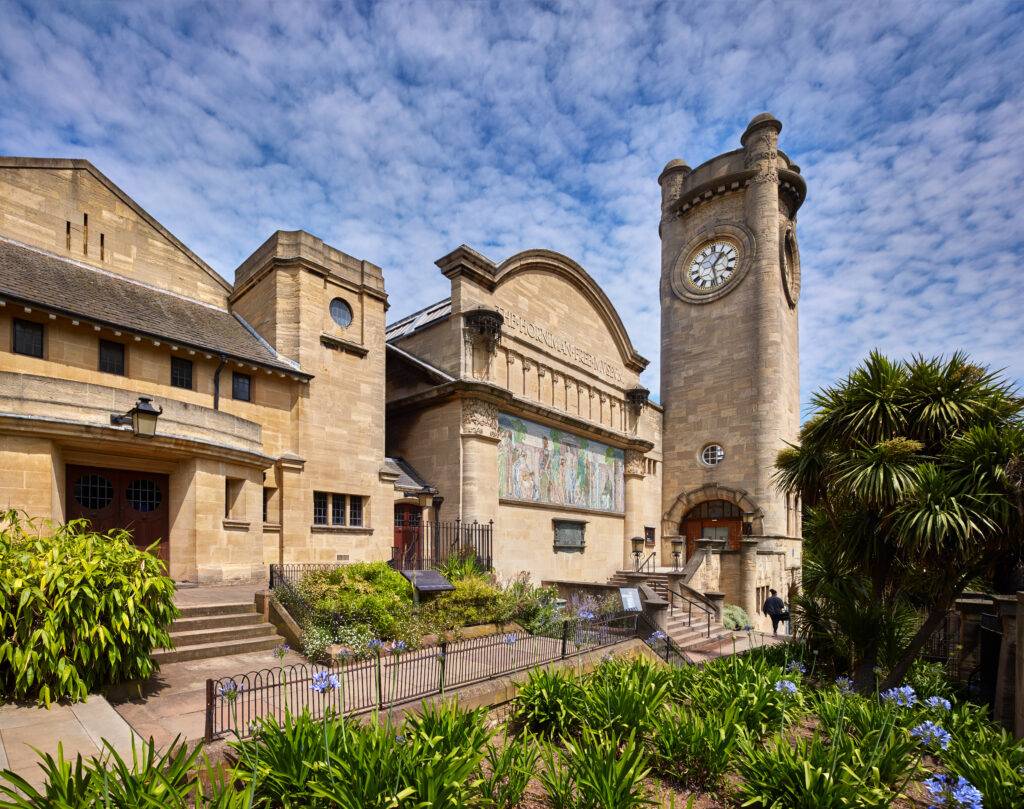
The Horniman is almost a rite of passage for South London families. The museum offers a manageable size with wildly diverse collections in beautiful surroundings.
The new exhibition running during half term invites families to board the legendary Nautilus submarine for underwater adventures. Voyage to the Deep combines storytelling with natural history, exploring ocean life through the lens of Jules Verne’s imagination.
The Natural History Gallery houses over 1,200 specimens. The taxidermy collection shows animals from every continent, displayed with Victorian enthusiasm and modern interpretation. Children can see the scale of nature, from tiny hummingbirds to a walrus that dominates its display case.
The Music Gallery holds 8,000 instruments from around the world. Interactive displays let children hear how different cultures create sound. They can try instruments, compare tones, and understand music as a universal language.
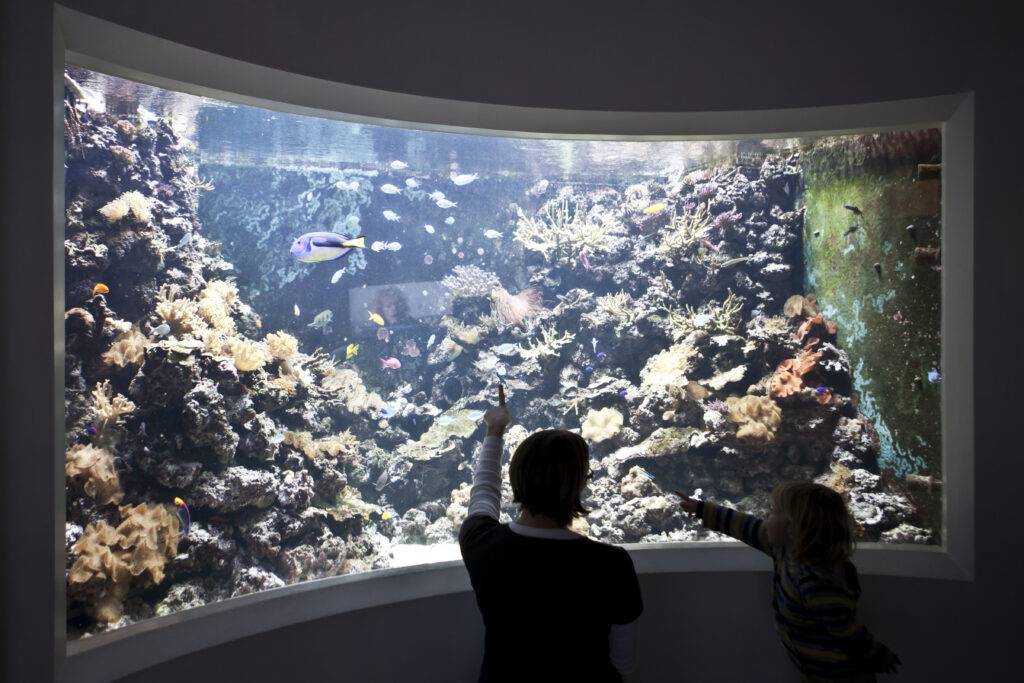
The aquarium sits in the basement, a calm space showing British marine life and tropical species. The displays educate without lecturing, showing ecosystems and conservation challenges through living examples.
Outside, the gardens offer 16 acres of grounds with views across London. The animal walk shows farm animals and rare breeds. Children burn energy on the play equipment before or after museum time.
The museum is free, though some special exhibitions charge admission. The café serves decent food in a light-filled conservatory. Changing facilities and accessible toilets meet family needs.
Two to three hours covers the main collections. The combination of indoor galleries and outdoor space means restless children have options. The museum feels relaxed rather than precious about its collections. The grounds also offer an incredible view of the capital, which alone is worth the visit.
Covent Garden Piazza, London WC2E 7BB
www.ltmuseum.co.uk
Nearest station: Covent Garden (Piccadilly line)
This museum charges admission, but tickets are valid for unlimited visits over a year. You get exceptional value if you return even once.
The collection holds over 80 amazing vehicles, including red London buses, black cabs, and the world’s first Underground train. Children climb aboard, sit in driver’s seats, and imagine steering through London streets or tunnels.
The galleries tell London’s story through transport. Victorian horse-drawn buses show how the city moved before engines. Early Underground trains reveal the engineering ambition that put railways beneath London streets. Wartime displays show how transport kept the city functioning during the Blitz.
Interactive exhibits fill every floor. Children stamp tickets, plan routes, and operate signals. The activities teach systems thinking, how transport networks connect, how schedules work, and how millions of journeys happen every day.
The museum sits in a Victorian flower market building in Covent Garden. The location puts you in the heart of London, surrounded by street performers, shops, and restaurants. You can combine the museum with lunch in the Piazza or a walk to the Thames.
The shop sells transport-themed toys, books, and memorabilia. Children love the replica tickets, model buses, and Underground maps.
Plan for two to three hours. The museum provides changing facilities and accessible toilets. Weekday mornings offer the calmest experience. School holidays bring crowds, but the space handles them well.
Cromwell Road, London SW7 5BD
www.nhm.ac.uk
Nearest station: South Kensington (District, Circle, Piccadilly lines)
The Natural History Museum needs no introduction, but it deserves recognition for how well it serves families.
The entrance hall holds Hope, an 82-foot blue whale skeleton suspended from the ceiling. The scale stops you. Children stand beneath it, craning their necks, trying to comprehend the size of the largest animal ever to live.
The Dinosaur Gallery delivers what children expect: a roaring animatronic T. rex, a Triceratops skull, and fossils that turn prehistoric life from abstract concept to physical reality. The gallery explains extinction, evolution, and deep time through specimens that children can see and understand.
The Earth Hall explores geology, earthquakes, and volcanoes. Children experience a simulated earthquake in a Japanese supermarket, feeling the ground move beneath them. The display teaches plate tectonics through visceral experience rather than diagrams.
The Mammals Gallery shows the diversity of life. Blue whale models, elephant displays, and hundreds of specimens reveal how evolution shaped different solutions to survival. The Victorian displays mix with modern interpretation, creating a museum that respects its history whilst serving contemporary audiences.
The museum also houses Archie, a massive 26-foot giant squid caught 220 metres underwater and preserved in a tank since 2004. The specimen shows children creatures that live beyond human sight, in depths we rarely explore.
The museum is free. It’s vast. You need a strategy, or you’ll exhaust everyone trying to see everything. Pick two or three galleries. Return another day for more.
The café and restaurant serve meals and snacks. Changing facilities and accessible toilets are available. The shop sells excellent books, toys, and educational materials.
Weekday mornings offer the best experience. Weekends and school holidays bring crowds that can overwhelm the space. Book a time slot online to guarantee entry.
Leeds Castle, Maidstone, Kent ME17 1PL
www.leeds-castle.com
Nearest station: Bearsted (Southeastern), then taxi
Within the grounds of Leeds Castle sits the world’s largest collection of dog collars. The museum holds over 130 collars dating back five centuries.
The earliest item is an imposing piece of spiked armour designed to protect hunting dogs from bears and wolves. The collar shows how dogs worked alongside humans in dangerous pursuits, needing protection as much as their handlers.
The collection traces changing relationships between humans and dogs. Medieval collars emphasise function and protection. Renaissance collars show wealth and status. Victorian collars reveal sentimentality and the rise of dogs as companions rather than workers.
Children find the museum fascinating because it’s specific. The focus on one object across centuries creates a clear narrative. They see how design evolves, how materials change, how human attitudes shift.
The museum sits within Leeds Castle, which means you get castle exploration, gardens, and grounds as part of your visit. The castle itself, built on two islands in a lake, offers tours, a maze, and a grotto. Children can explore medieval rooms, climb towers, and imagine life in a fortified residence.
The grounds include a playground, falconry displays, and woodland walks. You can easily spend a full day at the site.
Admission covers the castle, museum, and grounds. The café serves meals and snacks. Changing facilities and accessible toilets are available.
The location requires planning. Bearsted station sits three miles from the castle. Taxis run regularly, or you can arrange a shuttle during peak times. Driving offers more flexibility.
194 Dyke Road, Brighton, East Sussex BN1 5AA
www.brightonmuseums.org.uk/booth
Nearest station: Brighton (Southern, Thameslink)
Brighton’s Booth Museum boasts one of the largest Victorian taxidermy collections in the world. Edward Thomas Booth founded the museum in 1874, and his collection houses around 600,000 species of birds, insects, fossils, and skeletons.
The museum preserves Victorian scientific enthusiasm. Glass cases display hundreds of British birds in recreated habitats. The dioramas show species in context – wading birds in marshes, woodland birds among branches, seabirds on cliffs.
The collection serves science rather than spectacle. Labels explain behaviour, migration patterns, and conservation status. Children learn identification skills, understanding how different species adapt to different environments.
The butterfly collection fills drawers with thousands of specimens from around the world. The colours remain vivid, showing the extraordinary diversity of lepidoptera. Children see patterns, compare species, and understand how evolution creates beauty through function.
The skeleton room displays bones from mammals, birds, and fish. The specimens show anatomy without flesh, revealing how different creatures solve similar problems—movement, feeding, reproduction—through different structures.
The museum is free and small enough to visit without exhausting young children. One to two hours covers the collection comfortably.
The location is a mile from Brighton station, uphill. Buses run regularly. The walk takes about 20 minutes and climbs steadily.
12 Crooms Hill, Greenwich, London SE10 8ER
www.thefanmuseum.org.uk
Nearest station: Greenwich (DLR) or Cutty Sark (DLR)
The Fan Museum holds the world’s finest collection of fans, dating from the 11th century to the present day. The museum occupies a pair of restored 18th-century houses with a Japanese garden and spectacular orangery where you can enjoy afternoon tea.
Fans seem like an unlikely museum subject until you see the collection. The objects reveal history through design, materials, and decoration. Fans show trade routes—ivory from Africa, silk from China, feathers from the Americas. They show craftsmanship in painting, carving, and assembly. They show social codes in how fans were used to communicate, flirt, and signal status.
Children enjoy the museum because the objects are beautiful and the stories are accessible. They learn about fashion, etiquette, and how people lived before air conditioning. The museum doesn’t talk down to young visitors—it trusts them to engage with the material.
The orangery serves afternoon tea on Tuesdays, Fridays, and Sundays. The experience adds elegance to a museum visit, teaching children how to navigate formal dining in a relaxed setting.
The Japanese garden provides outdoor space. The design follows traditional principles, creating calm through carefully placed rocks, water, and plants.
The museum charges admission. Plan for one to two hours unless you’re staying for afternoon tea, which extends the visit.
Greenwich offers multiple attractions within walking distance. The Royal Observatory, the National Maritime Museum, and the Cutty Sark create a full day of exploration. The park provides space for children to run and play between museum visits.
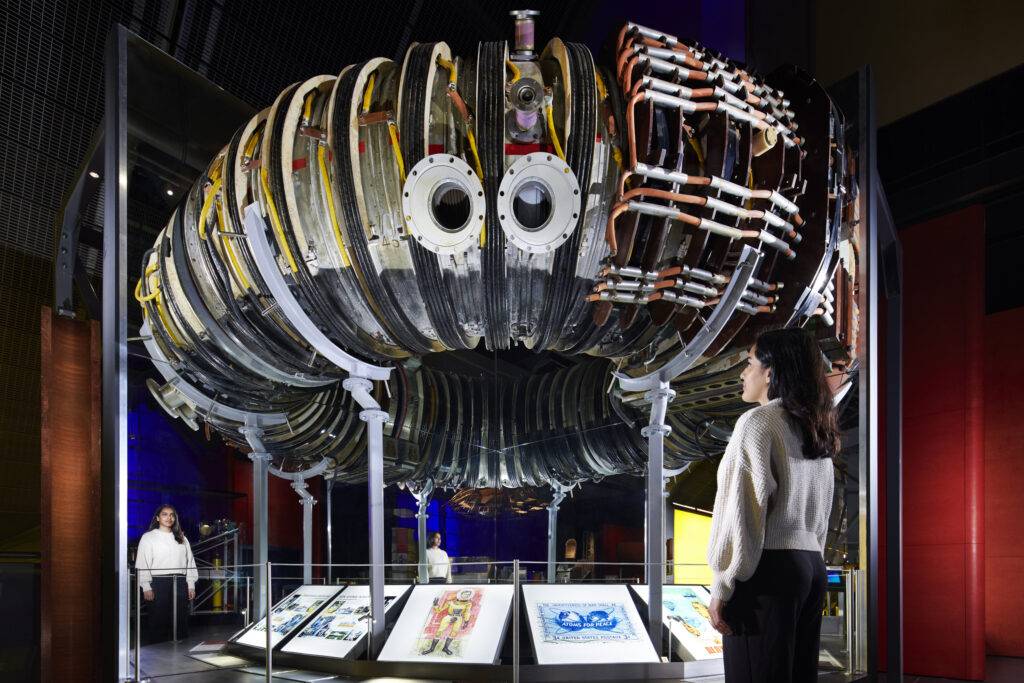
Exhibition Road, South Kensington, London SW7 2DD
www.sciencemuseum.org.uk
Nearest station: South Kensington (District, Circle, Piccadilly lines)
The Science Museum delivers family-friendly experiences through interactive, multi-sensory areas where children discover science through play.
Wonderlab holds 50 interactive exhibits exploring forces, light, sound, and electricity. Children launch rockets, create lightning, and experiment with friction. The activities teach physics principles through experiences that feel like games.
Power Up offers hands-on gaming experiences, showing how video games evolved from simple pixels to complex virtual worlds. Children play vintage arcade games, compare graphics across decades, and understand gaming as both entertainment and technology.
The museum’s permanent galleries cover medicine, space exploration, computing, and engineering. The Apollo 10 command module shows the cramped reality of space travel. Stephenson’s Rocket reveals the birth of railways. The computing gallery traces technology from mechanical calculators to smartphones.
The Garden for young children provides sensory exploration through water play, construction activities, and light experiments. The space serves children aged 3-6, giving them age-appropriate activities whilst older siblings explore other galleries.
The museum is free, though some exhibitions charge admission. An IMAX cinema shows science and nature films on a giant screen. The shop sells excellent educational toys, books, and kits.
Plan for three to four hours. The museum is vast, and children want to try everything. Pick specific galleries or activities to avoid exhaustion.
The location next to the Natural History Museum and Victoria & Albert Museum creates Museum Mile. You can visit multiple institutions in one day, though this tests even enthusiastic children’s stamina.
Horse Guards, Whitehall, London SW1A 2AX
www.householdcavalrymuseum.co.uk
Nearest station: Westminster (District, Circle, Jubilee lines) or Embankment (District, Circle, Northern, Bakerloo lines)
The Household Cavalry Museum presents a uniquely British blend of pageantry, tradition, and history. Your children try on helmets and pieces of armour, and see troopers preparing their horses in the original 18th-century working stables.
The museum sits in Horse Guards, where the mounted guard still protects the official entrance to St James’s Palace and Buckingham Palace. The location means you watch living tradition whilst learning about military history.
The exhibits explain the regiment’s role from the English Civil War to modern peacekeeping operations. Children see how cavalry evolved from battlefield shock troops to ceremonial guards. They learn about famous battles, regimental traditions, and the training required to serve.
The stable viewing area shows troopers grooming horses, cleaning tack, and preparing for duty. The glass screen lets you watch without disturbing the work. The horses are magnificent – tall, powerful, and impeccably maintained.
Children can try on replica helmets and breastplates. The equipment is heavy, teaching them about the physical demands of cavalry service. They pose for photos, imagining themselves as guards.
The museum charges admission. Plan for one to two hours. The space is small but dense with information and interactive elements.
The location in Whitehall puts you near Trafalgar Square, the Thames, and Westminster. You can combine the museum with a walk through central London, seeing government buildings, monuments, and parks.
The Changing of the Guard happens daily at Horse Guards at 11am (10am on Sundays). The ceremony draws crowds but offers free viewing of military precision and tradition.
These ten museums offer variety, quality, and genuine experiences. Each serves families differently, matching different interests and energy levels.
Book ahead where required. Check opening times and special exhibitions. Pack snacks and water. Bring layers because museum temperatures vary.
You don’t need to fill every hour. Children remember experiences, not exhaustive itineraries. Pick museums that match your family’s interests. Leave space for spontaneity.
Half term works when you plan enough but not too much. These museums give you starting points. Your family creates the memories.
The Worthy Farm gates are closed to revellers this summer, as Glastonbury take a well-deserved

Brighton & Hove Pride has confirmed RAYE and global icon Diana Ross as the two headline acts for its 35th

Have you noticed a small circular logo quietly popping up on your favourite brands, cafés