
Sing and you’re winning – How choirs offer wellbeing and community
On any given evening in Britain, thousands of voices will be rising in harmony. filling

By Olivia Baragwanath
The Canary Islands have long sold themselves as Europe’s winter sun escape. Reliable warmth, easy flights, familiar comforts. But that well-worn narrative only tells half the story.
Look closer and the islands reveal a split personality. There are the obvious resorts, shaped for mass tourism and unmistakably British in tone. Then there are the quieter corners, where the rhythm slows and something far more rooted begins to surface. The difference lies entirely in where you choose to stay.
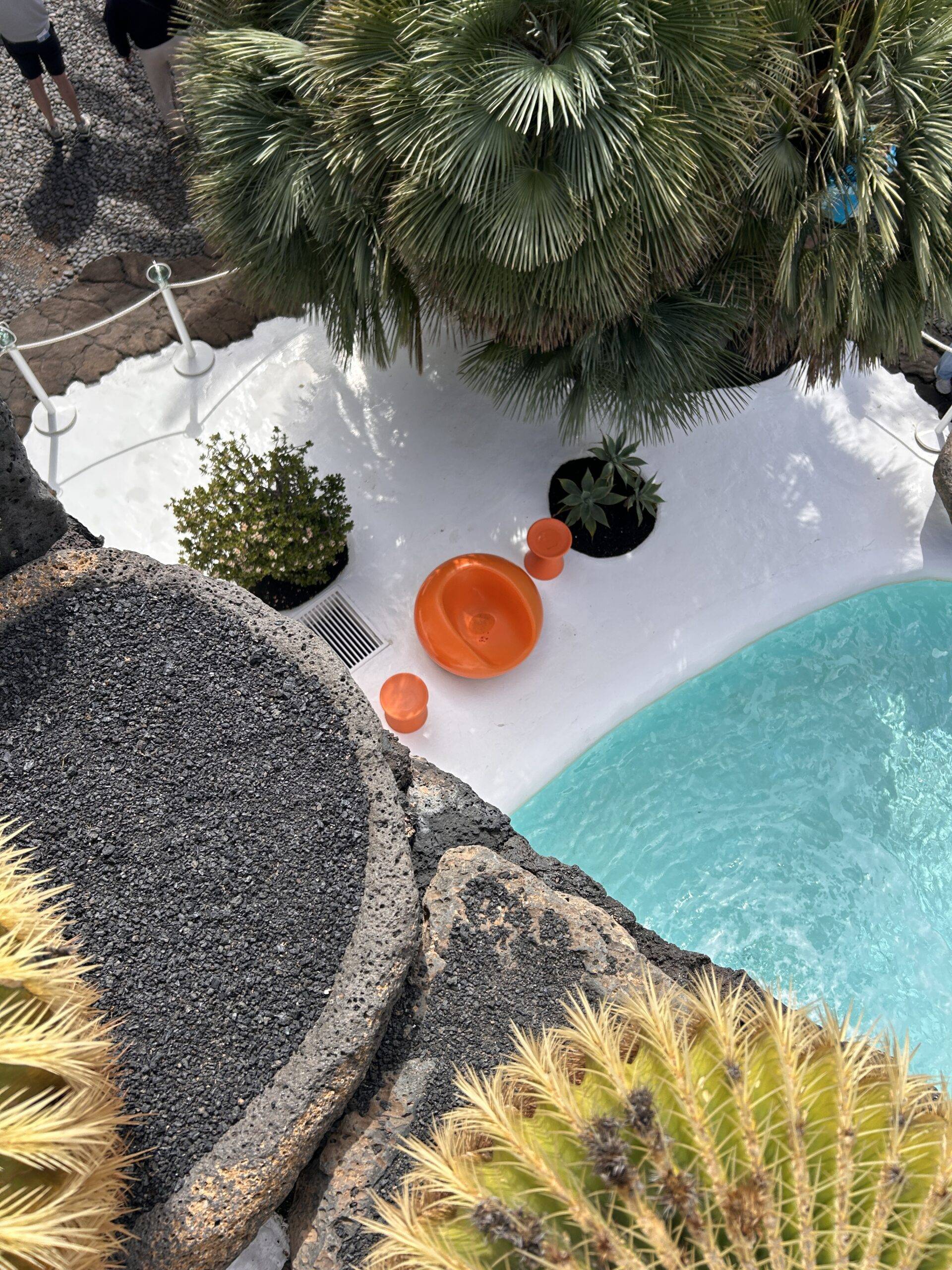
Nowhere is this contrast more striking than in Lanzarote. Head north, and the island shifts. The crowds thin, the architecture softens, and the landscape takes centre stage. This is the legacy of César Manrique. Artist, architect, and environmental pioneer, Manrique reshaped Lanzarote’s identity, insisting that development should work with the land, not against it. The island’s signature low-rise buildings and stark, sculptural forms are no accident. They are part of a deliberate vision that still defines Lanzarote today.
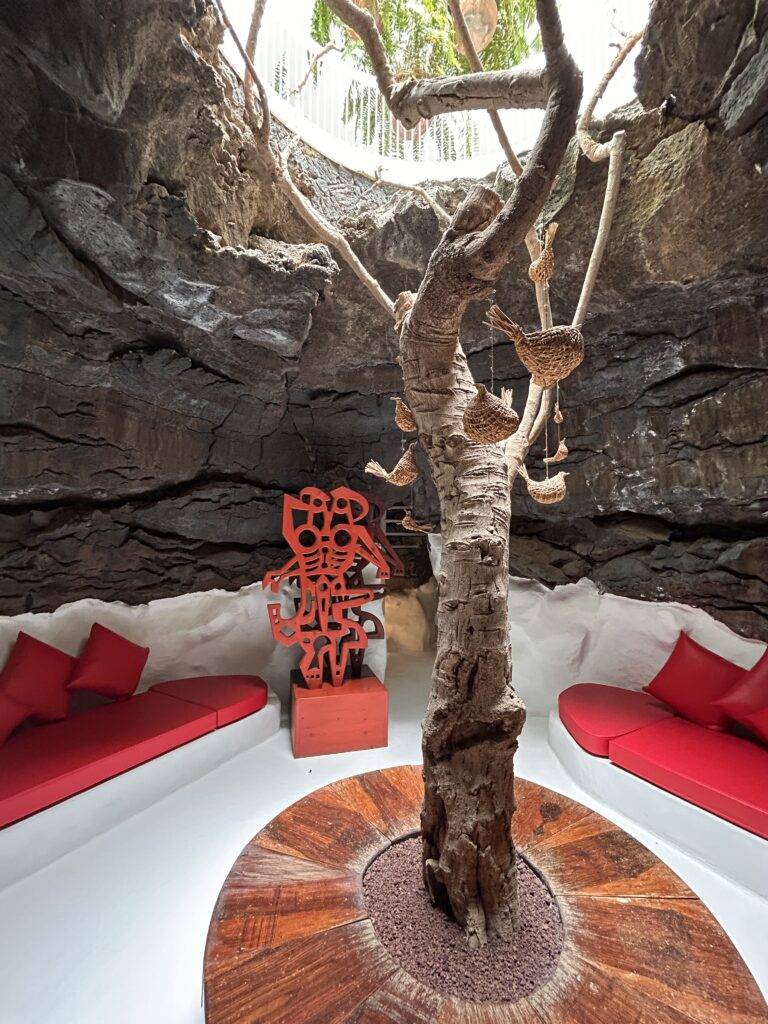
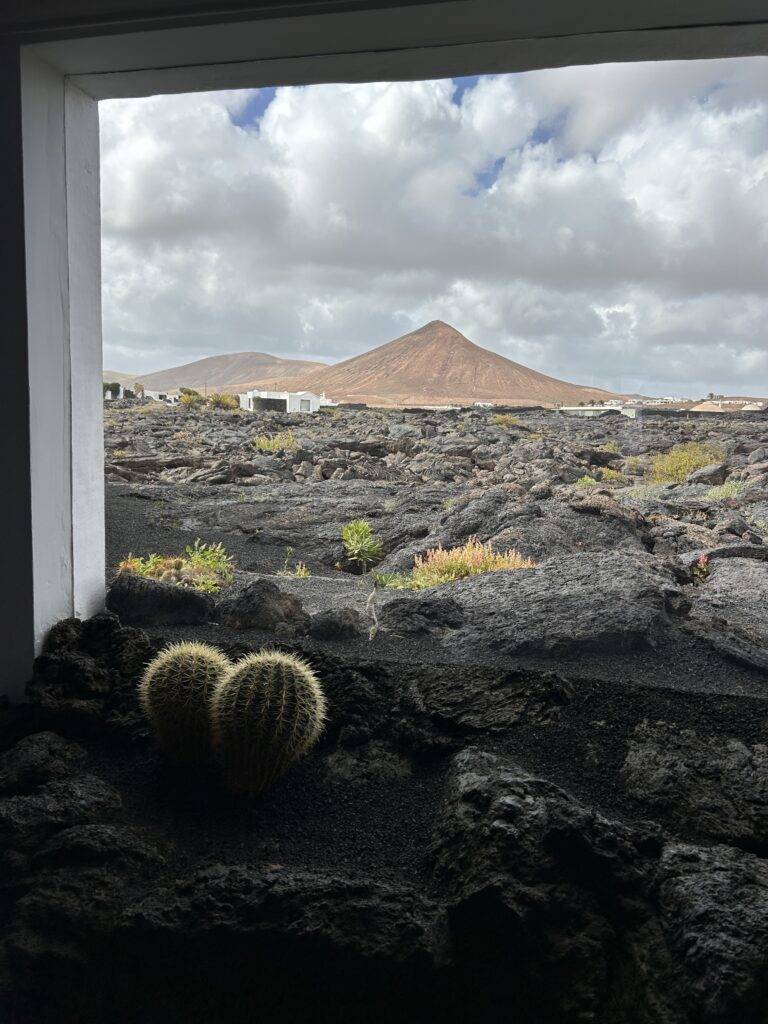
His former homes are essential stops, not just as cultural landmarks but as living expressions of that philosophy. And beyond them, the volcanic terrain he fought to protect remains largely untouched. Unable to walk across much of it due to protection but that’s precisely the point. This is a landscape to be observed, not overrun. Drive through it slowly, and it feels almost cinematic.
For those seeking a stay that matches this quieter, design-led side of the island, Palacio Ico in Teguise offers a compelling alternative to the standard resort formula. Intimate, considered, and distinctly Spanish in feel, it sits among vineyards and volcanic backdrops that do most of the talking. Another luxurious option is Hotel César, Lanzarote.
And then of course there’s the wine. Lanzarote’s natural wine scene has been steadily gaining ground, shaped by the island’s black volcanic soil and resilient growing methods. It’s not just a novelty, it’s a reflection of the same ingenuity that defines the island itself.
Lanzarote may carry some past reputation, but that version of the island is only one layer. Look beyond it, and something far more interesting emerges. Raw, creative, and quietly self-assured, this is a destination that rewards curiosity.
On any given evening in Britain, thousands of voices will be rising in harmony. filling

Half-term is looming. We need plans that work. London and the South East hold 170+

It sold out in 24 hours. Not a headline act, not a secret gig, but