
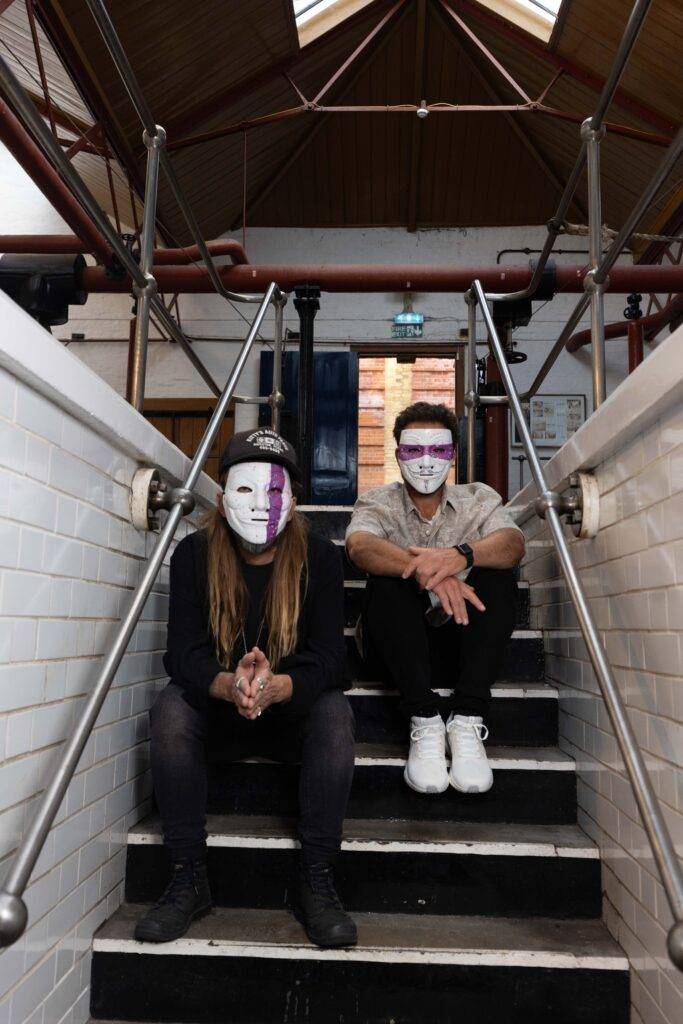
The Postman- Brighton street art icons open up about work
The history of street art can be traced back to ancient times, with work discovered
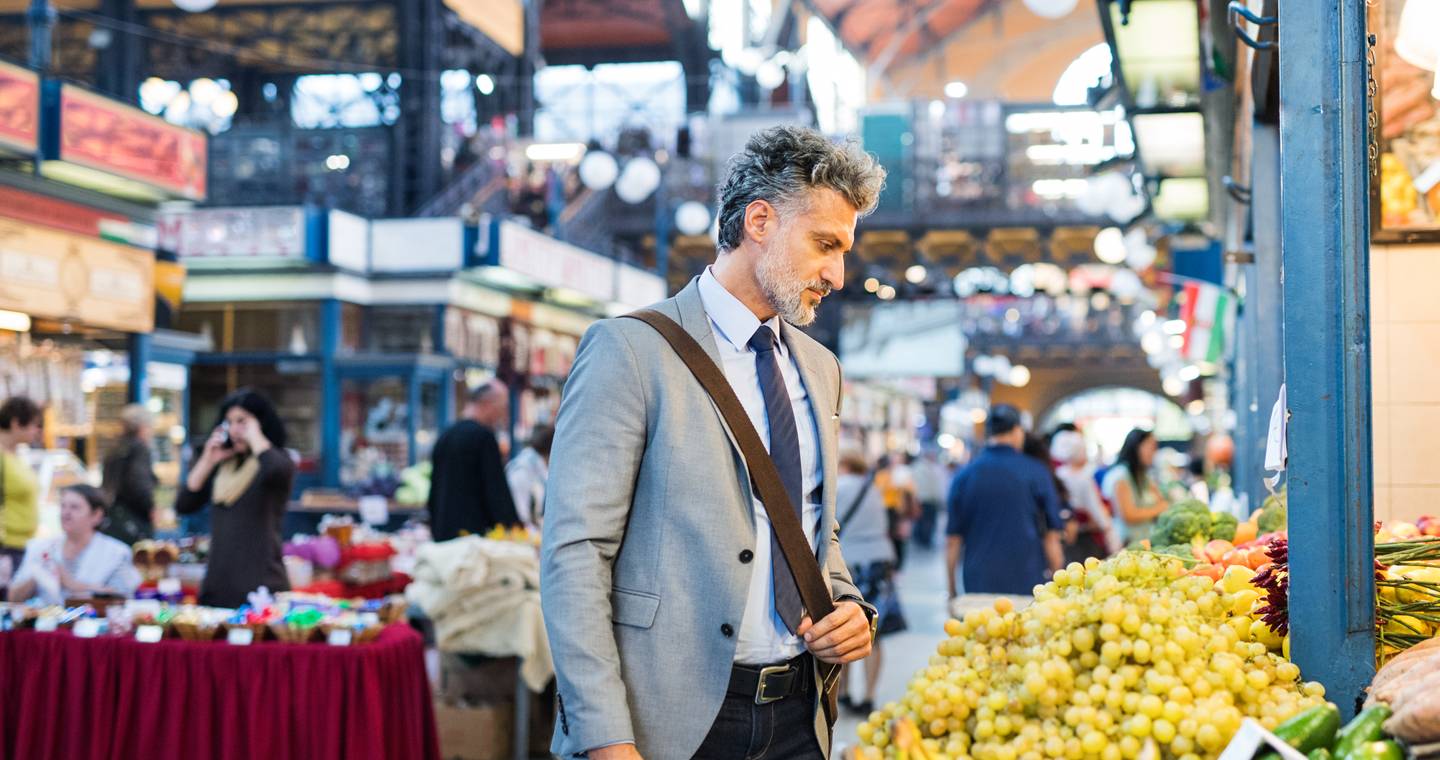
London just claimed the title of world’s best food destination for 2026 in the TripAdvisor Traveller’s Choice Awards. You’re standing in the middle of a culinary revolution that’s been brewing for centuries.
The capital offers something most cities can’t match: a thousand years of food history colliding with tomorrow’s trends, all within an easy tube ride.
So, let’s look at the places where London’s culinary culture thrives, from centuries-old markets to modern food halls cramming tastes from across the planet under a single roof.
Ready to sample the world’s best food city?
Address: 8 Southwark Street, London SE1 1TL
Website: boroughmarket.org.uk
Borough Market attracts roughly 20 million visitors a year. That’s not hype. That’s what happens when you’ve been feeding Londoners for a millennium.
The market took shape at the foot of London Bridge around 1,000 years ago. It moved to its current site in 1756, and the Victorian iron and glass structures you see today went up in the 1850s. You’re walking through architectural history every time you grab a coffee.
But here’s what matters now: Borough Market reinvented itself as London’s culinary proving ground. The ingredients, cuisines, and ideas that shape the capital’s wider food culture often start here. Traders like Ginger Pig and Hook & Son represent the growing movement away from ultra-processed foods toward traditional, minimally processed ingredients.
The market splits into three areas. Three Crown Square houses larger producers and merchants. Green Market features small, specialist produce traders. Borough Market Kitchen serves street food from traders who’ve mastered their craft. More than 100 stalls, stands, restaurants, bars, and shops fill the space.
You’ll find British cheese having its moment here, fitting perfectly with the trend toward convivial, shareable dining and food with a story behind it. The UK’s community of cheesemakers produces both original British styles and cheeses inspired by European traditions.
The market nearly died in the late 20th century when supermarkets dominated. A series of gourmet events in the semi-abandoned halls and warehouses during the 1990s brought it back. Now it’s one of London’s most significant tourist attractions.
Nearest Tube: London Bridge (Northern and Jubilee lines, 0.1 miles)
Address: 99 George Street, Croydon CR0 1LD
Website: boxpark.co.uk/croydon
BOXPARK Croydon launched in 2016 as the biggest food and culture outlet of its kind in London. Over 30 street food restaurants and bars operate under one roof, serving almost every cuisine you can imagine.
The venue sits right next to East Croydon Station. You can reach Central London or Brighton in under an hour. That accessibility matters when you’re building a food destination that serves the whole of Greater London.
The second iteration of BOXPARK created something that feels like a modern-day Covent Garden Piazza. You’ll find Taiwanese street food at Bao Bao, Argentinian grills, Indian curries from Curry on Naanstop, and Thai dishes that reflect the regional authenticity trend sweeping London in 2026.
Capital favourites like MEATliquor, Breakfast Club, and Chilango set up here because BOXPARK understood where street food was heading. The venue opened based on the rising popularity of street food in London, and it proved that the idea works.
But BOXPARK isn’t just about food. The 2,000-capacity events space has hosted major artists including Stormzy, JME, and Fatboy Slim. You’re getting a cultural hub that happens to serve exceptional food, not just another food hall.
The venue represents South London’s emergence as a serious foodie destination. Croydon often gets overlooked, but BOXPARK changed that conversation. Now it’s a place people travel to, not through.
Nearest Station: East Croydon (National Rail and Tramlink, directly adjacent)
Address: Oriental City, 399 Edgware Road, Colindale, London NW9 0FH
Website: bangbangoriental.com
Bang Bang Oriental celebrates East Asian cuisine with almost 30 different stalls. You’ll find dishes from Japan, Thailand, Vietnam, the Philippines, and all corners of China in this Colindale food hall.
The venue taps into London’s appetite for regional authenticity over generic national cuisines. Diners increasingly reject broad representations of “Asian food” in favour of clearly defined regional cooking. Bang Bang Oriental delivers that specificity.
Thai restaurants boomed in 2025 and into 2026, with diners wanting wider selections of regional dishes and more intricate flavour profiles that are bolder, spicier, and more vibrant than a few years ago. You’ll find that evolution reflected in the stalls here.
The food hall model works because it removes the commitment of a full restaurant meal. You can sample multiple cuisines in one visit, share dishes with friends, and explore flavours you might not risk in a traditional restaurant setting.
Bang Bang Oriental proves that exceptional food destinations exist beyond Zone 1. Colindale might not be on every tourist’s radar, but the food community knows this place matters.
The hall represents London’s shift toward food experiences that feel communal and exploratory. You’re not just eating. You’re discovering.
Nearest Tube: Colindale (Northern line, 0.2 miles)
Address: 42 Newington Causeway, Elephant and Castle, London SE1 6DR
Website: mercatometropolitano.com
Mercato Metropolitano transformed a former paper factory near Elephant and Castle into a sustainable community food market. The space houses over 40 independent food traders, craft breweries, and cultural spaces.
The market operates on principles of sustainability and community. Food waste gets composted on-site. Local producers get priority. The venue hosts cooking classes, live music, and cultural events that turn eating into a social experience.
You’ll find everything from Neapolitan pizza to Venezuelan arepas, British pies to Middle Eastern mezze. The diversity reflects London’s population, and the quality reflects the market’s commitment to independent producers who care about their craft.
The ‘swicy’ trend—sweet-meets-spicy flavours—shows up across multiple stalls here. This flavour profile represents one of the eight key food trends shaping London’s eating habits in 2026.
Mercato Metropolitano proves that food markets can operate as community hubs rather than just transaction spaces. You’re welcome to stay, work, meet friends, or simply enjoy the atmosphere without feeling pressured to keep buying.
The market also addresses the growing concern around ultra-processed foods. Traders focus on cooking from scratch with natural ingredients, giving you transparency about what you’re eating.
Nearest Tube: Elephant & Castle (Northern and Bakerloo lines, 0.3 miles)
Address: Maltby Street, London SE1 3PA
Website: maltbystreetmarket.co.uk
Maltby Street Market operates under railway arches in Bermondsey. The location gives it character that purpose-built food halls can’t replicate. You’re eating in spaces that have served London’s working population for over a century.
The market started as an overflow from Borough Market, attracting traders who wanted something smaller and more intimate. Now it’s a destination in its own right, known for exceptional coffee, artisan baked goods, and weekend street food that draws crowds from across London.
St. John, one of London’s most influential restaurants, operates a wine bar and bakery here. That presence signals quality. When Fergus Henderson chooses your market, you’re doing something right.
The market captures the trend toward food with a story behind it. You can talk to the people making your food, learn where ingredients come from, and understand the craft behind each dish. That connection matters more to diners in 2026 than it did even five years ago.
Weekends bring the full market experience with street food traders, but weekdays offer a quieter glimpse into the permanent businesses that make Maltby Street special. The bakeries, coffee roasters, and wine merchants operate year-round.
The market represents London’s ability to turn industrial spaces into food destinations without losing their character. The railway arches remain. The atmosphere stays authentic.
Nearest Tube: Bermondsey (Jubilee line, 0.4 miles) or London Bridge (Northern and Jubilee lines, 0.8 miles)
Address: Broadway Market, London E8 4QJ
Website: broadwaymarket.co.uk
Broadway Market runs through the heart of Hackney every Saturday. The street market dates back to the 1890s, though it nearly disappeared in the 1990s before local residents fought to save it.
Now it’s one of East London’s essential food destinations. Over 100 stalls sell everything from fresh produce to street food, vintage clothing to handmade crafts. But the food draws the crowds.
You’ll find the return of breakfast culture here. Londoners are rediscovering the appeal of a proper morning meal as brunch fatigue sets in. Market stalls serve traditional English breakfasts alongside global morning dishes that reflect London’s diversity.
The market’s permanent shops and cafes operate throughout the week. Climpson & Sons coffee roasters, Fin & Flounder fishmonger, and L’eau à la Bouche French patisserie give you reasons to visit beyond Saturday.
Broadway Market pays homage to Hackney’s history and personality. The area has transformed over the past two decades, but the market maintains its connection to the generations of Londoners who’ve called this neighbourhood home.
The market sits near Regent’s Canal, giving you a proper East London experience. You can walk the towpath, explore the area’s independent shops, and understand why this part of London attracts people who care about food.
Nearest Station: London Fields (Overground, 0.3 miles) or Bethnal Green (Central line, 0.6 miles)
Address: Coldharbour Lane, Brixton, London SW9 8PS
Website: brixtonvillage.com
Brixton Village and Market Row form a covered market complex that’s been serving South London since the 1930s. The spaces nearly closed in the 2000s before a revival transformed them into one of London’s most exciting food destinations.
The markets house over 100 independent businesses, many serving cuisines from the Caribbean, West Africa, Latin America, and Asia. This reflects Brixton’s diverse community and its history as a centre for Caribbean culture in London.
You’ll find restaurants that have earned national recognition alongside market stalls that have operated for decades. Kricket, Salon, and Smokestak all started here before expanding across London. The markets remain a proving ground for ambitious food businesses.
The covered arcades create an atmosphere that’s part market, part restaurant quarter. You can shop for ingredients and eat exceptional food in the same visit. That combination defines how Londoners want to experience food in 2026.
Brixton’s food scene demonstrates regional authenticity in action. The West African restaurants don’t serve generic “African food.” They specify regions, tribes, and cooking traditions. The Caribbean stalls distinguish between Jamaican, Trinidadian, and other island cuisines.
The markets also capture the trend toward convivial, shareable dining. Small tables, communal spaces, and a buzzing atmosphere encourage you to linger and connect with other diners.
Nearest Tube: Brixton (Victoria line, 0.2 miles)
Address: Greenwich Market, Greenwich, London SE10 9HZ
Website: greenwichmarket.london
Greenwich Market operates in a covered Victorian hall dating from 1831. The market has served this part of South East London for nearly two centuries, adapting to changing tastes while maintaining its character.
The market splits its focus between street food, crafts, and antiques depending on the day. But food remains constant. You’ll find traders serving cuisines from around the world, reflecting Greenwich’s history as a maritime hub with global connections.
The location matters. Greenwich attracts millions of tourists visiting the Royal Observatory, Cutty Sark, and National Maritime Museum. The market gives them an authentic London food experience rather than tourist-focused chains.
Local producers sell British cheeses, cured meats, and baked goods that capture the trend toward food with provenance and story. You can meet the people making your food and learn about their craft.
The market’s covered hall protects you from London’s unpredictable weather. You can visit year-round and still enjoy the market atmosphere without getting soaked.
Greenwich Market proves that historic markets can serve both tourists and locals without compromising quality. The food remains excellent because the market never chased trends at the expense of substance.
Nearest Station: Cutty Sark DLR (0.2 miles) or Greenwich (National Rail and DLR, 0.4 miles)
Address: 19 Great Eastern Street, Shoreditch, London EC2A 3EJ
Website: streetfeast.com/market/dinerama
Dinerama operates in a car park behind Great Eastern Street. That unconventional location defines its appeal. You’re eating exceptional street food in a space that feels raw and authentic rather than polished and corporate.
Street Feast created Dinerama to showcase London’s best street food traders. The rotating lineup means you’ll find different vendors on each visit, but the quality remains consistent. Only traders who’ve proven themselves earn a spot here.
The venue captures the social aspect of eating that defines London’s food culture in 2026. Long communal tables, a central bar, and regular DJ sets create an atmosphere where food becomes part of a bigger experience.
You’ll find the bold, spicy, vibrant flavours that represent current London tastes. The ‘swicy’ trend shows up across multiple traders. Regional authenticity matters. Generic national cuisines don’t cut it here.
Dinerama proves that exceptional food destinations don’t need expensive fit-outs. The car park setting works because the food and atmosphere matter more than fancy interiors.
The venue also demonstrates how London’s street food scene has matured. These aren’t amateur traders experimenting. They’re skilled professionals who’ve mastered their craft and earned their reputation.
Nearest Tube: Old Street (Northern line, 0.3 miles) or Shoreditch High Street (Overground, 0.4 miles)
Address: Belvedere Road, South Bank, London SE1 8XX
Website: southbankcentre.co.uk
Southbank Centre Food Market operates outside the Royal Festival Hall every Friday, Saturday, and Sunday. The location gives you Thames views while you eat, with the London Eye and Houses of Parliament visible across the river.
The market attracts both tourists and locals. That mix creates an atmosphere that feels authentically London rather than exclusively aimed at visitors. You’ll hear multiple languages and see people from every part of the city.
Over 40 traders serve street food representing cuisines from around the world. The quality remains high because the Southbank Centre curates the trader selection carefully. You won’t find generic chain food here.
The market captures the trend toward cooking from scratch with natural ingredients. Traders prepare food on-site, giving you transparency about what you’re eating and how it’s made.
The setting matters as much as the food. You’re eating beside one of London’s premier cultural venues, surrounded by architecture that defines the city’s South Bank. The atmosphere adds value to every meal.
The market also benefits from year-round operation. Many London food markets close during winter or operate reduced hours. Southbank Centre Food Market maintains consistent trading, giving you reliable access to quality street food regardless of season.
Nearest Tube: Waterloo (Northern, Bakerloo, Jubilee, and Waterloo & City lines, 0.3 miles)
London’s food markets and halls represent more than places to eat. They’re where the city’s culinary culture evolves, where trends start, and where communities can share traditions.
The shift toward regional authenticity over generic national cuisines is noticeable. You’ll find Taiwanese street food specified by region, Thai dishes that represent particular provinces, and British cheeses that tell stories about specific makers and locations.
The return of breakfast culture, the rise of ‘swicy’ flavours, and the appetite for convivial, shareable dining are all evident in these spaces.
Each destination also pays homage to its district’s history and personality. Borough Market’s thousand-year story differs from BOXPARK Croydon’s modern street food model, but both authentically reflect the community around them.
These ten destinations prove that London has worked hard to earn its title as the world’s best food city. We’re standing in the middle of a culinary revolution that honours tradition while embracing innovation.
The history of street art can be traced back to ancient times, with work discovered
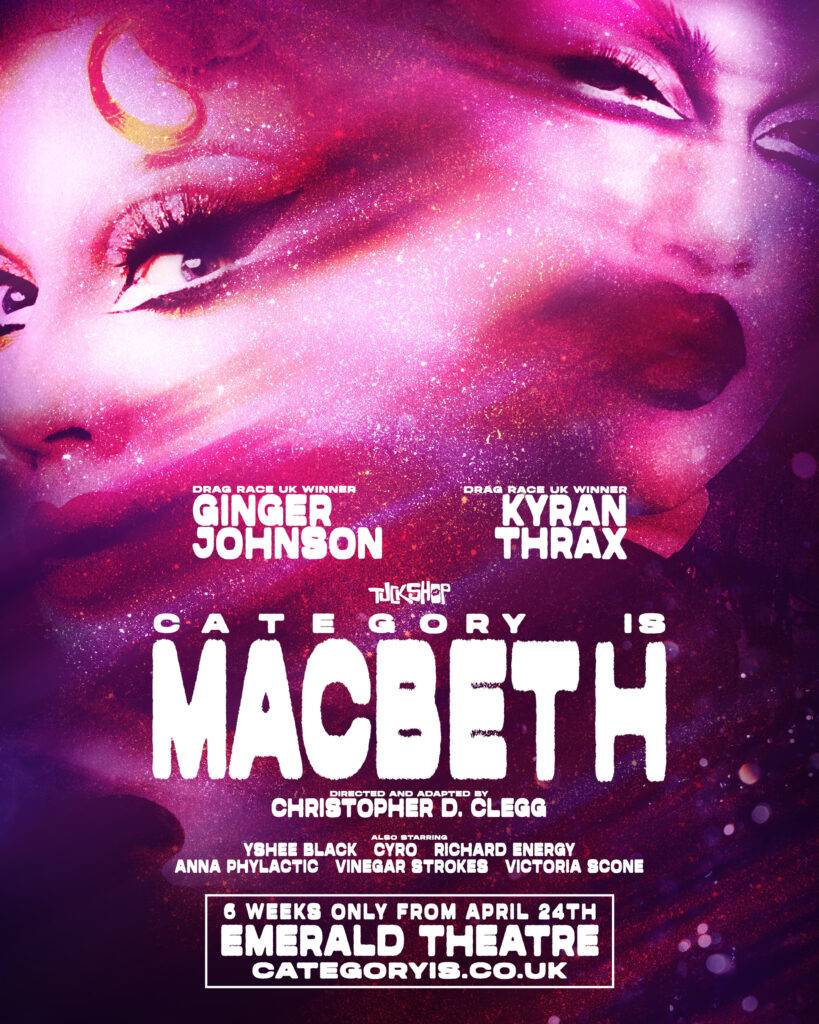
TuckShop, the UK’s leading specialist drag production company, announces the world premiere of CATEGORY IS:

Performs An Evening of Gagaku TARO ISHIDA 石田多朗 (Japan’s traditional Imperial Court Music) BUSH HALL, LONDON