

Gorringe’s and the Bloomsbury Group
Forward-thinking auction house develops connections with iconic art collective With a story stretching back to
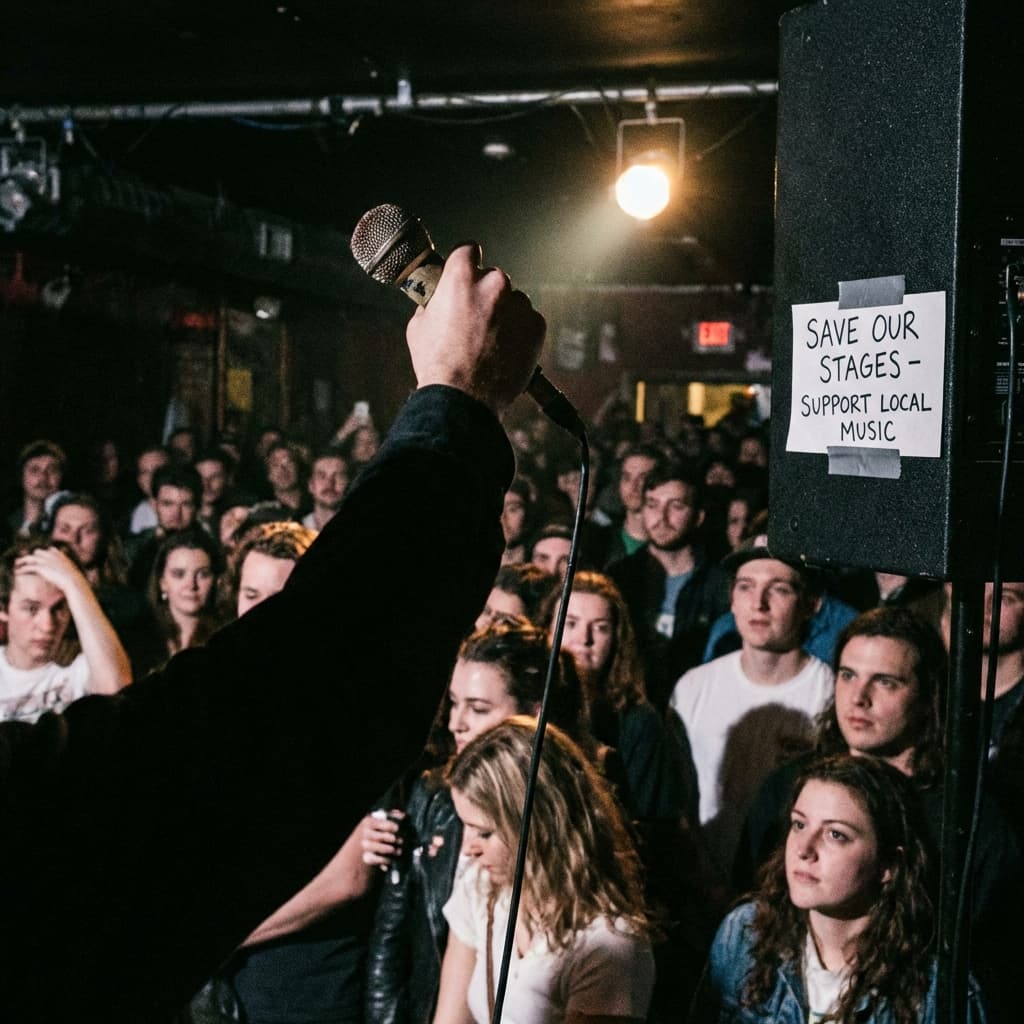
The numbers tell a story that should worry anyone who cares about live music.
Thirty grassroots venues closed permanently last year. More than half of the UK’s grassroots music venues showed no profit at all in 2025. These aren’t just statistics. They’re the places where Adele, Ed Sheeran, and Coldplay learnt their craft before selling out arenas.
Here’s what makes this crisis particularly painful: seven of the top ten biggest-selling albums from last year came from artists who made their name in grassroots venues. Chappell Roan played at the Garage. Charli XCX lit up East London clubs. Noah Kahan had their moment at The Social.
The average ticket price at these venues? £11.48. You can watch tomorrow’s headline act in a room that holds 200 people for less than the cost of a cinema ticket and popcorn.
But these spaces offer something you can’t quantify on a spreadsheet. They’re where musicians test new material in front of people who actually care. Where sound engineers learn their trade. Where 18-year-olds discover that live music can change how you see the world.
The venues below represent the best of what’s left.
Each one has hosted artists you know. Each one operates on margins so thin they’d make an accountant weep. And each one deserves your support whilst they’re still here.
11-12 Queens Road, Brighton BN1 3WA
www.hope.pub
Walk past The Hope & Ruin on a rainy Saturday afternoon, and you’d never guess its pedigree. The Victorian pub looks unremarkable from the outside. Step inside and you’re standing where both Adele and Dua Lipa played in the early days of their careers.
The upstairs room holds about 110 people when it’s packed. The stage sits barely a foot off the ground. You can see the whites of the performer’s eyes from anywhere in the room.
This intimacy creates something special. Artists can’t hide behind production or distance. The audience can’t zone out and check their phones. Everyone’s in it together.
Brighton’s music scene has always punched above its weight, and The Hope & Ruin sits at its heart. The venue books seven nights a week, mixing established indie acts with bands playing their third-ever gig. That range matters. It means the 19-year-old supporting tonight’s headliner gets to learn from watching how the pros work a room.
The sound system has been upgraded recently, which makes a difference when you’re crammed in shoulder-to-shoulder. The bar staff know their regulars. The booker takes risks on unsigned acts.
These details add up to something rare: a venue that feels like it belongs to the people who use it, not to a corporation trying to extract maximum profit per square foot.
Madeira Shelter Hall, Madeira Drive, Brighton BN2 1EN
www.concorde2.co.uk
Everyone worth their salt has played Concorde 2. Foo Fighters, Ed Sheeran, and countless others treated this 600-capacity main room as a proving ground before graduating to arenas.
The venue sits underneath the arches on Brighton seafront, which gives it a character you can’t replicate in a purpose-built space. The curved ceiling affects the acoustics in ways that sound engineers either love or hate, depending on the genre they’re working with.
What makes Concorde 2 special is its position in the touring circuit. It’s large enough to attract established acts doing warm-up shows or intimate tours, but small enough to maintain the energy and connection that defines grassroots venues.
The sightlines can work well despite the room’s unusual shape. The bar area provides space for people who want to watch without being crushed against the stage. The outdoor terrace offers sea air between bands.
Concorde 2 also books a wide range of genres, from indie and rock to electronic and hip-hop. This diversity keeps the programming fresh and attracts different crowds throughout the week.
The venue has survived multiple threats over the years, including noise complaints and development pressure. Each time, the local community has rallied to support it. That relationship between venue and city matters when times get tough.
20-22 Highbury Corner, London N5 1RD
www.thegarage.london
Chappell Roan played The Garage before becoming one of last year’s biggest-selling artists. That trajectory from 600-capacity North London venue to global stardom illustrates why these spaces matter.
The Garage has operated since 1993, which makes it a veteran by grassroots venue standards. The building’s history goes back further, having served various purposes before becoming a music venue. That longevity brings experience in navigating the challenges that kill younger venues.
The main room’s capacity sits around 600, making it one of the larger grassroots venues. This size allows it to book artists who’ve outgrown 200-capacity rooms but aren’t ready for 2,000-capacity theatres. That middle ground is crucial for artist development.
The Garage’s location in Highbury gives it access to North London’s music-obsessed population whilst keeping it outside the West End’s inflated costs and noise restrictions. The surrounding area has character without being gentrified to the point where venues get squeezed out.
Programming spans genres, from indie rock to metal to electronic music. The venue’s reputation means established acts will play warm-up shows here, giving audiences the chance to see arena-level performers in an intimate setting.
The sound and lighting systems have been upgraded over the years, ensuring technical quality matches the venue’s reputation. That investment matters when artists are choosing where to play.
94 Parkway, Camden, London NW1 7AN
www.thedublincastle.com
Coldplay played The Dublin Castle early in their career, back when they were four students trying to get noticed. That story repeats across decades, with different bands filling the same role of “next big thing playing a Camden pub.”
The venue sits in the heart of Camden, which brings both advantages and challenges. The location means high foot traffic and a built-in audience of music fans. It also means competition from dozens of other venues within walking distance.
The Dublin Castle has survived by maintaining standards whilst keeping prices reasonable. The upstairs room holds about 120 people, creating an intimacy that larger Camden venues can’t match. The stage setup is basic but functional, putting the focus on the music rather than production.
What makes The Dublin Castle special is its consistency. It’s been booking quality acts seven nights a week for decades, building a reputation that brings both artists and audiences back repeatedly. That reliability matters in an industry where venues open and close with alarming frequency.
The ground floor functions as a traditional pub, which helps the venue survive financially. The combination of bar revenue and ticket sales creates a more stable business model than relying on music alone.
Camden’s music scene has changed dramatically over the years, but The Dublin Castle remains a constant. That continuity provides stability for the entire local ecosystem.
5 Little Portland Street, London W1W 7JD
www.thesocial.com
The venue’s basement location in Central London makes it easy to miss if you’re not looking for it, which adds to its appeal as an insider’s favourite.
The room holds about 150 people, making it one of the smaller venues on this list. That intimacy works particularly well for singer-songwriters and acoustic acts, though the venue books across genres.
What sets The Social apart is its curation. The booking policy prioritises quality over commercial appeal, which means you’re more likely to discover your new favourite artist here than at venues chasing guaranteed ticket sales.
The venue also functions as a bar and club space, hosting DJ nights and private events alongside live music. This flexibility helps it survive in an area where rent costs would sink a music-only venue.
The Social’s sound system delivers clarity despite the room’s small size and low ceiling. The bar stocks well-chosen drinks rather than just the usual corporate lagers. These details create an experience that feels considered rather than thrown together.
Fonthill, The Common, Tunbridge Wells TN4 8YU
www.twforum.co.uk
The Forum operates as a Community Interest Company, which means community benefit takes priority over private profit. That structure reflects the venue’s DNA. This isn’t a business pretending to care about culture whilst chasing maximum returns. It’s a cultural space that happens to generate revenue.
The building sits on Tunbridge Wells Common, opposite the King Charles the Martyr church. Inside, the 250-capacity main room finds the sweet spot between intimacy and scale. Big enough to attract touring artists. Small enough that every gig feels personal.
Mark Davyd, founder and CEO of Music Venue Trust, co-owns The Forum. That connection matters. It means the venue doesn’t just talk about supporting grassroots music – it’s run by someone who’s spent decades fighting for it at the highest levels.
The Forum’s programming spans genres without dilution. Theatre and spoken word sit alongside punk bands and folk singers. Comedy nights and community events fill the gaps between touring acts. This diversity strengthens rather than weakens the venue’s identity.
Local bands get opportunities to support bigger names, learning stagecraft from professionals whilst building their own following. That mentorship element distinguishes venues that genuinely nurture talent from those that merely provide a stage.
The Forum proved its resilience by surviving the pandemic and the financial chaos that followed. Venues operating on passion rather than profit margins develop creative solutions when times get tough. That resourcefulness matters more than ever.
13 Turner Street, Ramsgate CT11 8NJ
www.ramsgatemusichall.com
NME awarded Ramsgate Music Hall the title of Britain’s Best Small Venue in 2015. That recognition came just two years after opening in October 2013. Building a reputation that quickly requires doing something genuinely special.
The venue holds 130 people maximum, making it one of the smallest on this list. That intimacy transforms every show into an event you’ll remember. You’re not watching from the back of a room. You’re sharing space with the artist, close enough to see their fingers on the fretboard.
Artists consistently praise the venue’s sound system and acoustics. When musicians talk about a venue in those terms, it means the technical fundamentals work properly. That matters more than fancy lighting or expensive décor. Get the sound right and everything else follows.
Ramsgate Music Hall has hosted an impressive roster despite its size: Neneh Cherry, Sleaford Mods, Jungle Brothers, and numerous others who could easily fill larger rooms. These artists choose to play here because the experience justifies the smaller capacity.
The venue sits in a large car park, which solves one of grassroots venues’ biggest problems. Easy access and parking mean artists can load equipment without drama and audiences don’t need to circle streets looking for spaces.
An upstairs bar with a big screen offers breathing room when the main hall gets packed. This thoughtful design recognises that not everyone wants to be crushed against the stage all night.
Old Harbour Station, Elizabeth Street, Dover CT17 9FE
www.thebookinghall.com
The Booking Hall occupies a 165-year-old former train station that once served direct access to Dover port. The building played a crucial role during both world wars. That history permeates the space, giving it character that purpose-built venues can’t manufacture.
In October 2024, Music Venue Properties purchased The Booking Hall through the Own Our Venues scheme. That acquisition secured the venue’s future after the landlord put it on the market. Community ownership removed the commercial pressures that threaten independent venues.
Iron Maiden founder Steve Harris played a fundraising show in May 2024 to help purchase the venue. When legendary musicians donate their time to save a grassroots space, it signals something worth protecting.
The venue’s 330-capacity makes it Kent’s largest independent music venue. That size allows it to book artists who’ve outgrown 100-capacity rooms whilst maintaining grassroots intimacy. Don Broco, Frank Turner, and Soft Play all played here before graduating to larger stages.
Stuart Cameron started The Booking Hall in 2017. His vision transformed a historic building into a cultural hub for Dover and the wider Kent region. As the only recognised grassroots music venue in Dover, The Booking Hall fills a gap that would otherwise leave the town without live music infrastructure.
The venue’s tall stage and professional sound and lighting systems create a proper concert experience. Combined with the building’s architectural character, this delivers something memorable rather than merely functional.
Market Passage, Hastings TN34 1DH
www.thecrypt.uk
The Crypt occupies a Grade II listed building beneath All Saints Church in Hastings Old Town. The venue’s name isn’t metaphorical—you’re literally descending into a medieval crypt to watch live music. Stone walls that have stood for centuries create acoustics that modern venues spend fortunes trying to replicate.
The venue operates as a community space, hosting everything from live music and comedy to film screenings and art exhibitions. This multi-use approach keeps the doors open whilst serving different cultural needs. Flexibility matters when you’re operating on grassroots margins.
Capacity sits around 100 people, making The Crypt genuinely intimate. In a space this small, there’s nowhere to hide, neither for performers nor the audience. That vulnerability creates memorable experiences when the chemistry works.
Hastings has developed a thriving creative scene over the past decade, attracting artists and musicians priced out of Brighton and London. The Crypt sits at the heart of that cultural ecosystem, providing a platform for local talent whilst booking touring acts.
The venue’s location in Hastings Old Town means you’re surrounded by independent shops, cafes, and pubs. This creates a proper night out rather than just a gig. You can explore the area before and after shows, supporting multiple independent businesses.
Running a venue in a listed medieval building presents unique challenges. But those constraints also create character that can’t be replicated. The Crypt offers something genuinely different from the standard pub venue experience.
13 Stoke Fields, Guildford GU1 4LS
www.theboileroom.net
The Boileroom has operated since 2006, building a reputation that extends far beyond Surrey. The venue won Music Week’s Spirit of the Scene award in 2018 and the Live Awards Grassroots Champion award in 2023. These aren’t local accolades—they’re national recognition of excellence.
With a 275-capacity, The Boileroom occupies the crucial middle ground between tiny pub venues and mid-sized theatres. Artists like Ed Sheeran, Foals, Wolf Alice, Bastille, and The 1975 all played here before filling arenas. That track record proves the venue’s ability to spot and nurture talent.
The programming team books across all contemporary music genres, creating diverse calendars that attract different audiences throughout the week. This breadth strengthens rather than dilutes the venue’s identity. Quality matters more than genre.
The Boileroom has hosted ten Mercury Music-nominated artists, BBC 2 Folk Award winners, MOBO Award winners, and Rock & Roll Hall of Fame inductees. That list demonstrates the venue’s pull across the entire music industry spectrum.
Beyond booking shows, The Boileroom curates stages at external events and festivals. This expanded role strengthens Guildford’s broader music ecosystem whilst raising the venue’s profile. Supporting the local scene creates goodwill that sustains venues through difficult periods.
The venue works with Attitude is Everything, achieving bronze status in the Charter of Best Practice. This commitment to accessibility ensures grassroots music remains inclusive rather than exclusive.
These ten venues contribute to the £500 million that grassroots music adds to the UK economy annually. But their value extends beyond spreadsheets.
They’re where musicians learn their craft. Where sound engineers develop their skills. Where music fans discover artists before everyone else catches on.
The venues operate on average profit margins of 2.5%. Many showed no profit at all in 2025. Changes to national insurance and business rates cost the sector 6,000 jobs last year.
Meanwhile, attendance at grassroots gigs rose by 13%, with 21 million people buying tickets. The demand exists. The financial model struggles to support it.
Artists like Coldplay and Katy Perry have backed grassroots levies, donating portions of their arena tour profits to support these venues. Harry Styles announced that £1 from every ticket on his world tour would go to the LIVE Trust. If adopted industry-wide, such levies could raise £25 million annually.
But the most effective support comes from you. Buy tickets. Turn up. Bring friends. Spend money at the bar. Tell people about the shows you see.
These venues survive because people use them. The more you engage, the longer they last.
And when they’re gone, they don’t come back.
Forward-thinking auction house develops connections with iconic art collective With a story stretching back to
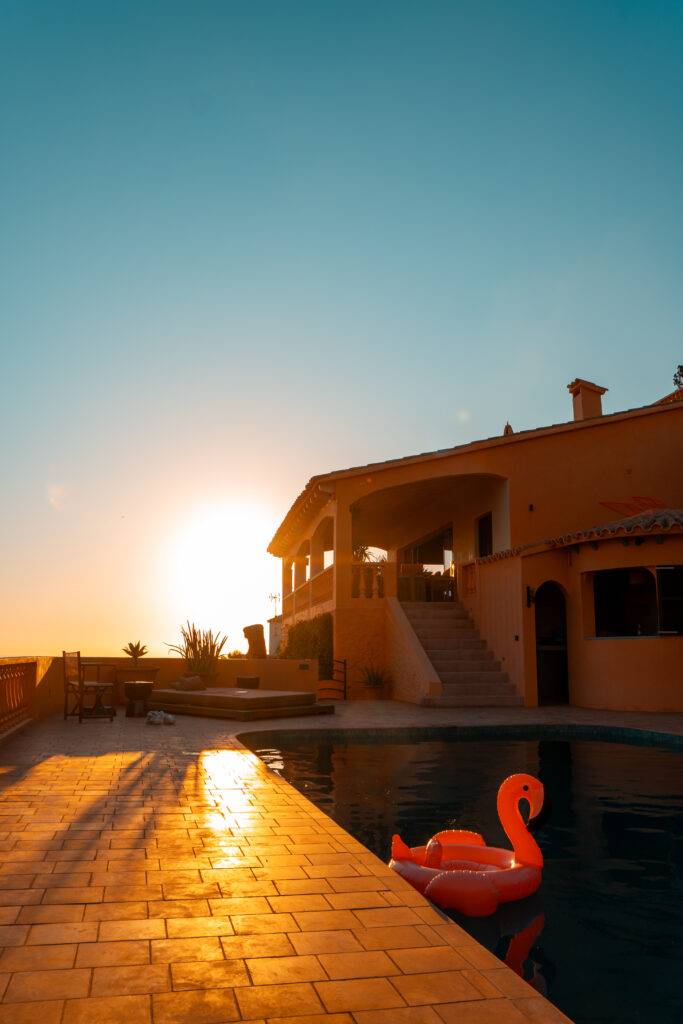
El Puente al Amor rests quietly within the sun-warmed landscapes of Menorca, less a grand

Across Britain and Europe, the sports people actually play differ significantly from what we’re watching