
The Best Mini-Break Destinations For 2026
If you’ve felt dragged down by the long winter months, it might be time to

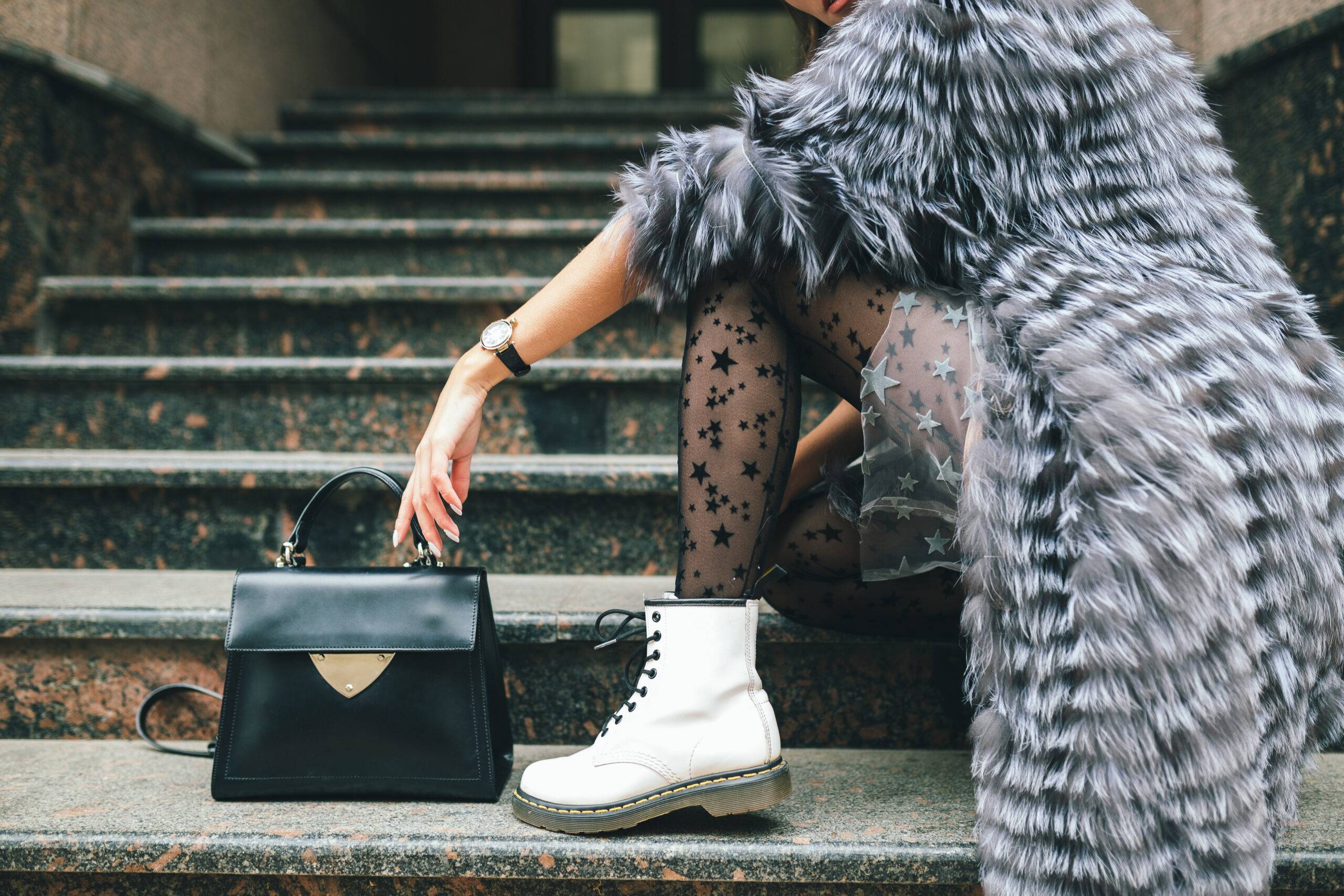
You’ve seen them. The people who walk into a room and somehow look like the most interesting version of themselves.
They’re not wearing the trendiest pieces. They’re not dressed head-to-toe in designer logos. They just look right.
That’s personal style. And it has nothing to do with how much you spend or how closely you follow fashion week.
Building a style that feels genuinely yours is less about shopping and more about editing. It’s about understanding what works for your body, your life, and your actual personality, not the personality you think you should have.
Here’s how to get there.
Your wardrobe is already telling you something. You just need to listen.
Look at what you reach for when you’re running late. The pieces you wear on repeat. The outfit you put on when you need to feel like yourself.
You don’t need to reinvent yourself. You need to refine what’s already working. Most people skip this step and start shopping for a fantasy version of their life, buying clothes for a person they’re not.
That’s why your wardrobe is full of things you never wear.
Pull out everything you’ve worn in the past month. Put it on your bed. Look at the colours, the shapes, the fabrics. What patterns emerge?
Maybe you’re drawn to oversized silhouettes. Maybe you wear black more than you realised. Maybe every piece you love has pockets.
This is your starting point.
Your style needs to fit your reality, not someone else’s Instagram feed.
You’re not dressing for a fashion editorial. You’re dressing for your commute, your job, your weekend plans, your actual body temperature preferences.
Do you spend most of your day sitting in meetings? You need clothes that don’t wrinkle or pinch when you sit down.
Do you walk everywhere? Your shoes matter more than your handbag.
Do you live somewhere cold? Stop buying clothes that only work three months of the year.
Personal style isn’t about looking good in theory. It’s about looking good whilst doing the things you actually do.
Write down what a typical week looks like for you. Then look at your wardrobe and ask if it’s built for that week.
Most people discover a massive gap here.

The most stylish people you know probably wear some version of the same thing every day.
They’ve found their formula. Their uniform. The combination that makes them feel like themselves without thinking about it.
This isn’t boring. This is strategic.
Steve Jobs had his black turtleneck. Phoebe Philo built an entire aesthetic around white shirts and tailored trousers. You need your version of this.
Your uniform might be:
The specifics don’t matter. What matters is finding the silhouette that makes you feel most like yourself, then building variations around it.
You’re not limiting yourself. You’re giving yourself a framework that actually works.
This is where most people get stuck. They buy what looks good on someone else and wonder why it doesn’t work on them.
Fit is everything.
You can wear a £20 T-shirt that fits perfectly and look more put-together than someone in a £400 designer piece that doesn’t suit their proportions.
Understanding fit means understanding your body. Not in a self-critical way. In a practical, observational way.
Where do sleeves naturally hit on your arms? Where does your waist actually sit? What trouser length works with the shoes you wear most?
Try things on and pay attention. Take photos from different angles. Notice what makes you stand taller and what makes you fidget.
Then find a tailor. Seriously. A good tailor can transform how your clothes fit for less than you’d spend on another impulse purchase.
Hemming trousers, taking in a waist, shortening sleeves—these small adjustments make everything look intentional.

You don’t need to wear every colour. You need to wear your colours.
Look at what’s already in your wardrobe. What colours appear most often? What do you get compliments in? What makes you feel awake and present?
This makes getting dressed easier. Everything works together. You stop buying things that don’t fit into your existing wardrobe.
Your palette might be:
Choose colours that work with your skin tone and your lifestyle. If you spill coffee on yourself regularly, maybe reconsider the all-white uniform.
Once you have your palette, you can add accent colours. One statement coat. A pair of coloured shoes. A bag in a bold shade.
But your foundation stays consistent.
This is the advice everyone gives, but most people get it wrong.
Quality basics doesn’t mean expensive basics. It means well-made pieces in the categories you wear most.
If you live in T-shirts, buy better T-shirts. If you wear trainers every day, invest there. If you’re always cold, get a coat that actually keeps you warm.
Look for:
You don’t need to buy everything at once. Build slowly. Replace things as they wear out with better versions.
One good white shirt beats five cheap ones you never wear.
Before you buy anything new, shop what you already own.
Pull everything out. Try combinations you haven’t considered. Wear that piece you’ve been saving for a special occasion.
The rest just sits there, taking up space and making you feel guilty.
Go through your clothes and ask three questions:
If the answer is no to any of these, it goes. Donate it, sell it, give it to a friend. Just get it out of your space.
What’s left is your real wardrobe. The foundation you’ll build on.
Trends are fine. They’re fun. They keep fashion interesting.
But they’re not a replacement for personal style.
You don’t need to wear what’s trending. You need to wear what works for you, with the occasional trend thrown in if it genuinely appeals to you.
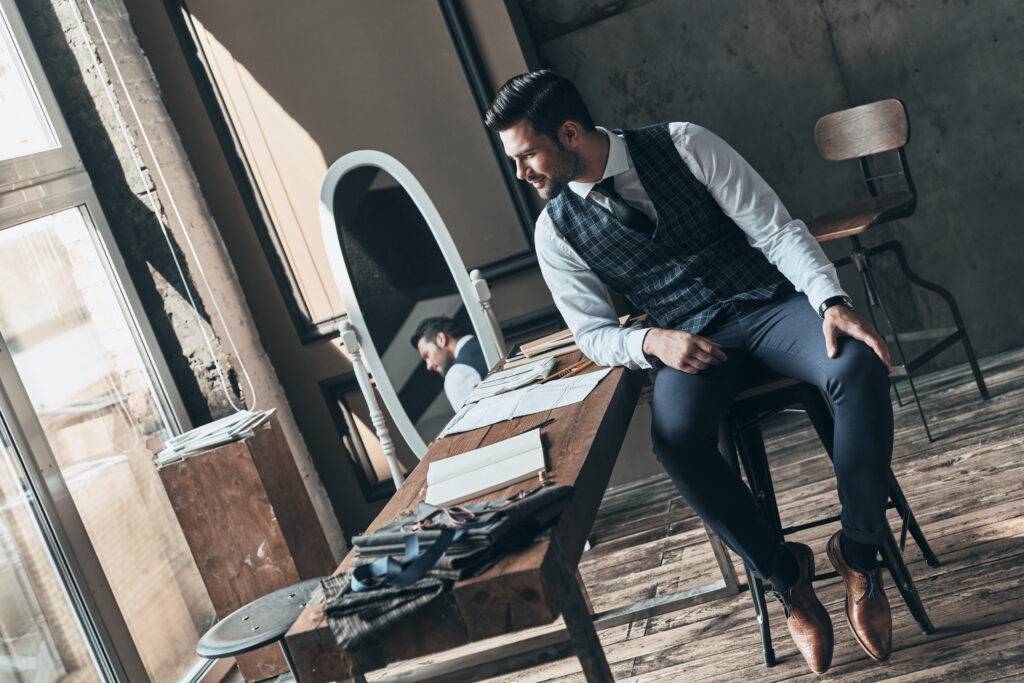
When something trendy catches your eye, ask yourself: Would I wear this if no one else was wearing it? Does it fit into my existing wardrobe? Will I still like it in six months?
If yes, go for it. If no, save your money.
The people with the most distinctive style aren’t chasing trends. They’re refining their own point of view.
Personal style lives in the details.
It’s how you roll your sleeves. Whether you tuck your shirt in or leave it out. The jewellery you wear every day. How you tie your shoes.
These small choices add up to something that feels distinctly yours.
Notice what details you’re drawn to:
Once you know your preferences, you can make decisions faster. You stop second-guessing yourself.
You develop what designers call a design language. A set of visual rules that guide everything you wear.
Building personal style doesn’t mean never trying anything new.
It means experimenting thoughtfully.
Try one new silhouette at a time. Add one unexpected colour. Test a different trouser length. Borrow something from a friend’s wardrobe and see how it feels.
You learn what works without overhauling your entire wardrobe. You discover new things about what you like without losing sight of what already works.
Keep what resonates. Drop what doesn’t. Move on.
No one is paying as much attention to what you wear as you think they are.
Wearing the same thing twice in one week won’t make you boring. It makes you someone who knows what works.
The most stylish people wear their favourite pieces constantly. They don’t save things for special occasions. They don’t worry about being photographed in the same outfit twice.
They wear what they love until it wears out.
This is how you develop a signature style. Through repetition. Through wearing the same things enough times that they become associated with you.
Stop rotating through your wardrobe just for the sake of variety. Wear what makes you feel good, as often as you want.
You already know what looks good on you.
You know what makes you feel confident. What makes you stand differently. What makes you forget you’re wearing clothes at all.
The problem is you’ve been taught not to trust that knowledge.
You’ve been told you need to follow rules. Dress for your body type. Wear what’s trending. Listen to what stylists and influencers say you should wear.
It’s built on your instincts, your preferences, your life. Not someone else’s formula.
When you put something on and immediately feel like yourself, that’s your answer. When you spend the whole day tugging at something or wishing you’d worn something else, that’s also your answer.
Listen to those signals. They’re more reliable than any style guide.
Personal style isn’t something you figure out in a weekend shopping trip.
It’s something you develop over time. Through trial and error. Through paying attention to what works and what doesn’t.
You’ll make mistakes. You’ll buy things that seemed perfect in the shop and wrong at home. You’ll try trends that don’t suit you. You’ll have phases you’ll look back on and laugh at.
The people with the most refined personal style have been refining it for years. They know what works because they’ve tested what doesn’t.
Be patient with yourself. Keep experimenting. Keep editing. Keep wearing what makes you feel most like you.
That’s how you build a style that’s actually yours.
Not borrowed from someone else. Not dictated by what’s trending. Not designed to impress people you don’t know.
Just yours. Clear, consistent, and completely authentic.
And when you get there, you’ll know. Because getting dressed will stop feeling like a decision and start feeling like second nature.
If you’ve felt dragged down by the long winter months, it might be time to
As a theatre-maker, the intelligence, humor, and irreverence in Leigh Douglas’s work has earned her
Glynde Place in East Sussex, UK(3rd-5th July 2026) Love Supreme Jazz Festival is thrilled to